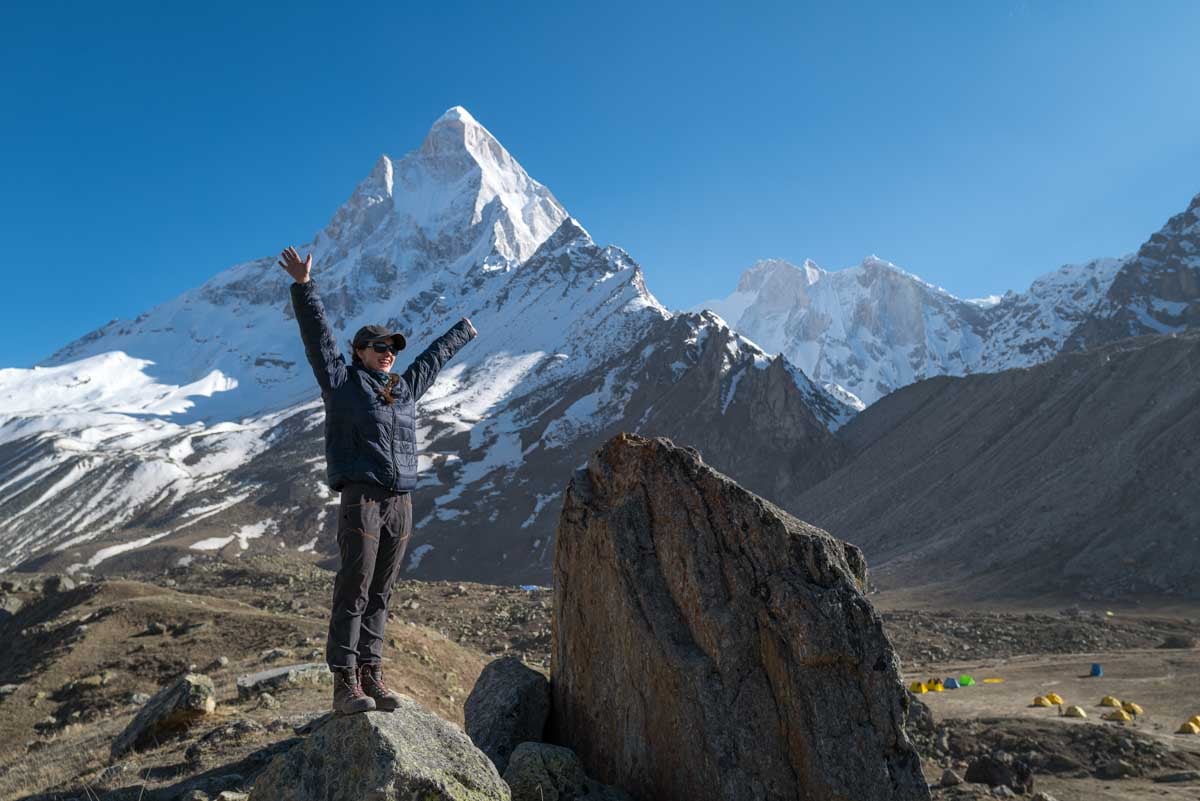
There is an unwritten law in British outdoor culture: the tougher the walk, the grander the Sunday roast.
When you’ve spent five hours battling a driving ridge-line wind or slating through muddy woodland trails, your body doesn’t want a light salad. It wants a deeply comforting, traditional feast.
A slow-roasted joint of pork paired with towering Yorkshire puddings, crisp roast potatoes, and rich gravy isn’t just a meal—it’s a British institution.
From a nutritional standpoint, pork is an exceptional recovery meat for walkers.
It is naturally packed with high-quality branch-chain amino acids to repair torn muscle fibers, and it’s rich in B-vitamins (especially thiamine), which help your body efficiently convert carbohydrates back into usable energy.
But let’s be honest: the real reason we choose a pork roast over everything else is for that golden, shattering, perfectly blistered crackling.

🐷 The Post-Hike Roast Snapshot
|
Roast Metric |
Target Setting |
Why It Matters For Your Sunday Schedule |
|---|---|---|
|
The Ideal Cut |
Pork Shoulder (Boston Butt) or Belly |
High marbled fat keeps the meat incredibly juicy during long cooking windows. |
|
Prep Time |
24 Hours (Passive drying time) |
Prep it the night before; the joint dries effortlessly in the fridge while you are out hiking. |
|
The Heat Switch |
240°C Blast down to 180°C |
High heat bubbles the skin; low heat melts the collagen for melt-in-the-mouth meat. |
|
Resting Window |
20–30 Minutes |
Critical for meat juices to redistribute; gives you time to crisp the spuds. |
🔬 The Science of Shattering Crackling
The secret to achieving that legendary, crunchy crackling rather than a tough, rubbery strip of leather comes down to a simple chemical formula: zero moisture + high heat.
Pork skin is loaded with water. If you slide a damp joint into a medium oven, that water turns to steam, effectively boiling the skin and turning it into a chewy mess.
To get the skin to puff up like premium scratchings, you must completely dehydrate the surface layer before it ever touches the heat.
By scoring the skin deeply, rubbing it with fine sea salt, and leaving it uncovered in the cold air of your refrigerator overnight, you draw out the deep-seated moisture.
When that bone-dry skin hits a blistering 240°C oven, the remaining surface fats instantly boil, forcing the skin to blister and expand into crisp perfection.
🧭 The Prep & Roasting Blueprint
To time this perfectly with your walk, get your drying prep done the evening before.
That way, when you return home muddy and hungry, you can simply fire up the oven and let the kitchen fill with incredible aromas while you unpack your rucksack.
Step 1: Score and Salt:
The Night Before (5 mins).
Take a sharp knife or a clean craft blade and score thin, parallel lines across the pork skin. Cut down through the fat, but be careful not to slice into the actual meat. Rub 1 tablespoon of fine sea salt deeply into every single score line.
Step 2: The Open Fridge Dry:
The Night Before (12-24 Hours).
Place the joint onto a plate and pop it directly into the fridge completely uncovered. Leave it overnight. The dry, moving air inside the fridge will draw out moisture, leaving the skin looking pale, dry, and slightly translucent.
Step 3: The High-Heat Blast:
Post-Hike Day (30 mins).
Take the pork out of the fridge 30 minutes before cooking to lose its chill. Preheat your oven to 240°C (Gas Mark 9). Brush off any excess surface moisture, rub the skin with a tiny drop of oil and a fresh pinch of sea salt, and roast at this maximum heat for 30 minutes until the skin starts to bubble wildly.
Step 4: The Slow & Low Melt:
Post-Hike Day (1.5 to 2 Hours).
Turn the oven heat down to 180°C (Gas Mark 4). Continue roasting for roughly 30 minutes per 500g of weight. This gentle heat slowly melts the tough connective tissues and internal fats, turning the meat buttery soft.
Step 5: The Crucial Rest:
Post-Hike Day (20 mins).
Remove the joint from the oven. Carefully carve the sheet of crispy crackling off the top and set it aside. Wrap the pork meat loosely in foil and let it rest on a warm board for 20 minutes before carving to lock in all the rich savory juices.
Enjoy.

The Ultimate Post-Hike Roast Pork & Flawless Crackling
What better way to complete your weekend than with a roast dinner. And roast pork with wonderful crackling is a popular choice for me and many.
4
servings10
minutes2
hours30
minutes480
kcalIngredients
1.5 kg Pork Shoulder Joint (rolled and scored)
1.5 tbsp Fine Sea Salt
1 tbsp Vegetable Oil (avoid olive oil for the high-heat blast)
2 Large White Onions (peeled and thickly sliced into wedges to act as a roasting trivet)
200 ml Boiling Water or Light Vegetable Stock (for the roasting tin)
Directions
- Prep the Skin: The night before cooking, pat the pork dry with kitchen paper. Ensure the skin is scored deeply. Rub 1 tablespoon of sea salt aggressively into the cuts.
- Dehydrate: Place the uncovered joint in the fridge for a minimum of 12 hours (24 hours is even better) to dry the skin out completely.
- The Blast Phase: Preheat your oven to 240°C. Scatter the onion wedges across the base of your roasting tin. Sit the pork directly on top of the onions. Rub the skin with a tiny splash of vegetable oil and a final pinch of salt. Roast at 240°C for 30 minutes.
- The Slow Cook: Pour the boiling water or stock into the bottom of the pan (keep it away from the skin). Drop the oven temperature to 180°C and roast for a further 1.5 to 2 hours until the internal temperature reaches 75°C.
- Rest & Serve: Remove from the oven, slice off the crackling sheet, and rest the meat under loose foil for 20 minutes. Carve thickly and serve alongside roast potatoes, seasonal greens, and homemade gravy made directly from the pan drippings.
Enjoy!