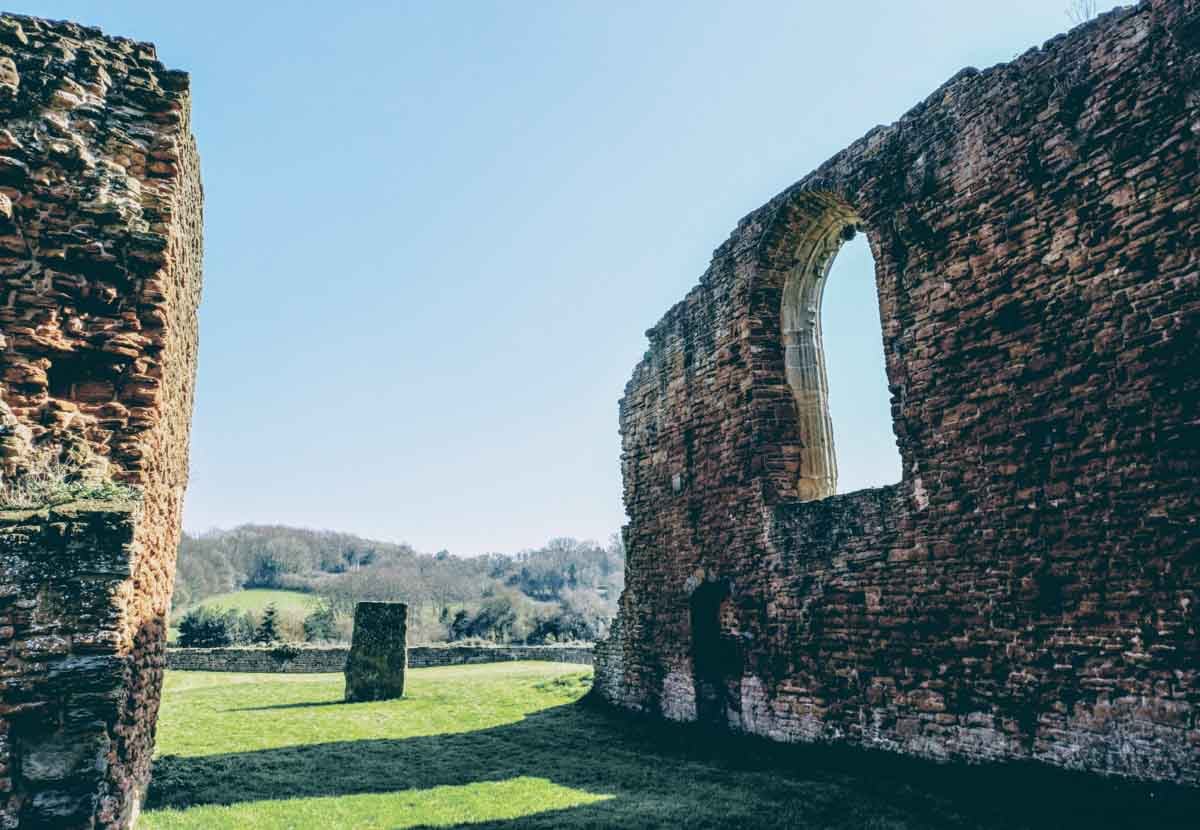
Tucked away in the quiet, rolling countryside of Nottinghamshire, down a long and unassuming track, lies a true hidden gem that feels completely detached from the rush of modern life.
Beauvale Priory isn’t just a collection of atmospheric ruins; it is a place steeped in profound history, tragedy, and—perhaps surprisingly—some of the best homemade cake in the county.
Whether you’re a history buff, a keen walker looking for a pitstop, or simply someone who appreciates a peaceful afternoon tea while peacocks roam the grounds, Beauvale is a destination that delivers on all fronts.
The History: Solitude and Sacrifice
The story of Beauvale Priory begins in 1343 when it was founded by Nicholas de Cantelupe, the Lord of Ilkeston. It was built for the Carthusian Order, making it one of only nine such charterhouses ever established in England.
Unlike other monastic orders that emphasized communal living, the Carthusians were hermits.
They lived a life of extreme silence, solitude, and self-sufficiency, spending their days in individual cells studying, praying, and working the land. For nearly two centuries, generations of monks lived peacefully in this secluded valley.
However, that tranquility was violently shattered during the Reformation. In 1535, following England’s break from Rome, the prior of Beauvale, Robert Lawrence, traveled to London to meet with Thomas Cromwell.
He hoped to save his priory from the Dissolution of the Monasteries.
Instead, when he and his predecessor John Houghton refused to sign the Oath of Supremacy—which would have acknowledged King Henry VIII as the supreme head of the Church—they were imprisoned in the Tower of London.
Both men were brutally executed at Tyburn, becoming two of the famous Carthusian Martyrs (they were later canonized as saints in 1970).
By 1539, Beauvale Priory was officially dissolved, its lands surrendered, and the grand buildings left to the slow reclamation of nature.
Interestingly, the site’s quiet, brooding atmosphere later captured the imagination of local author D.H. Lawrence, who was born in nearby Eastwood and occasionally referenced the ruins, calling it “The Abbey,” in his writings.
Exploring the Ruins Today
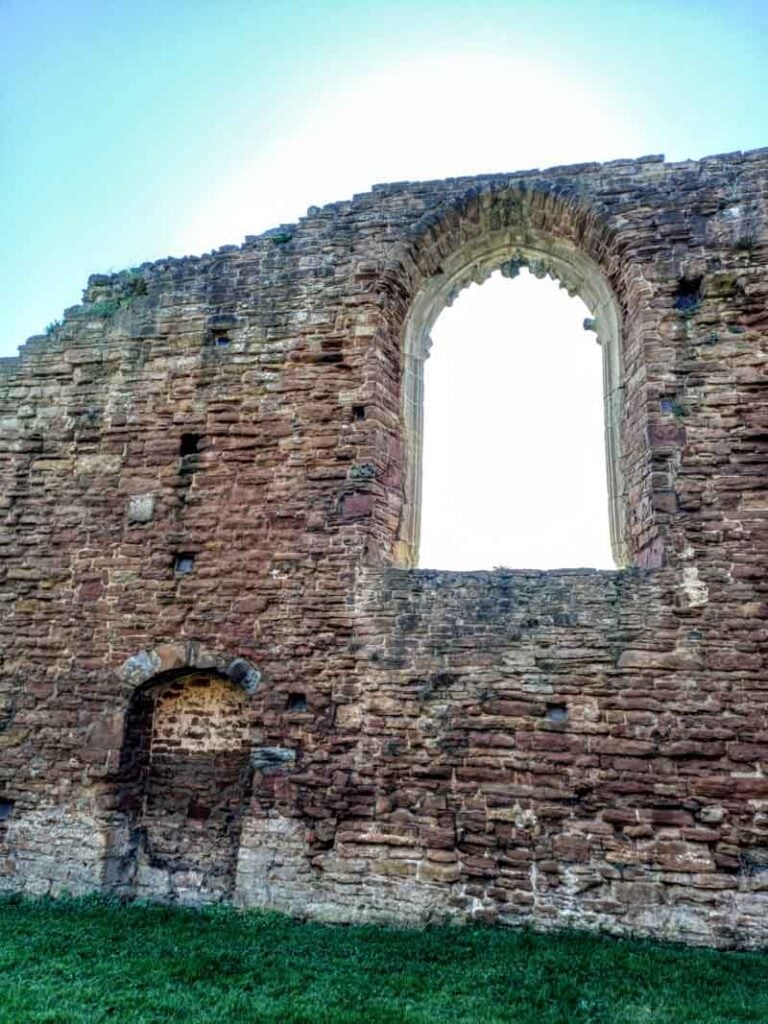
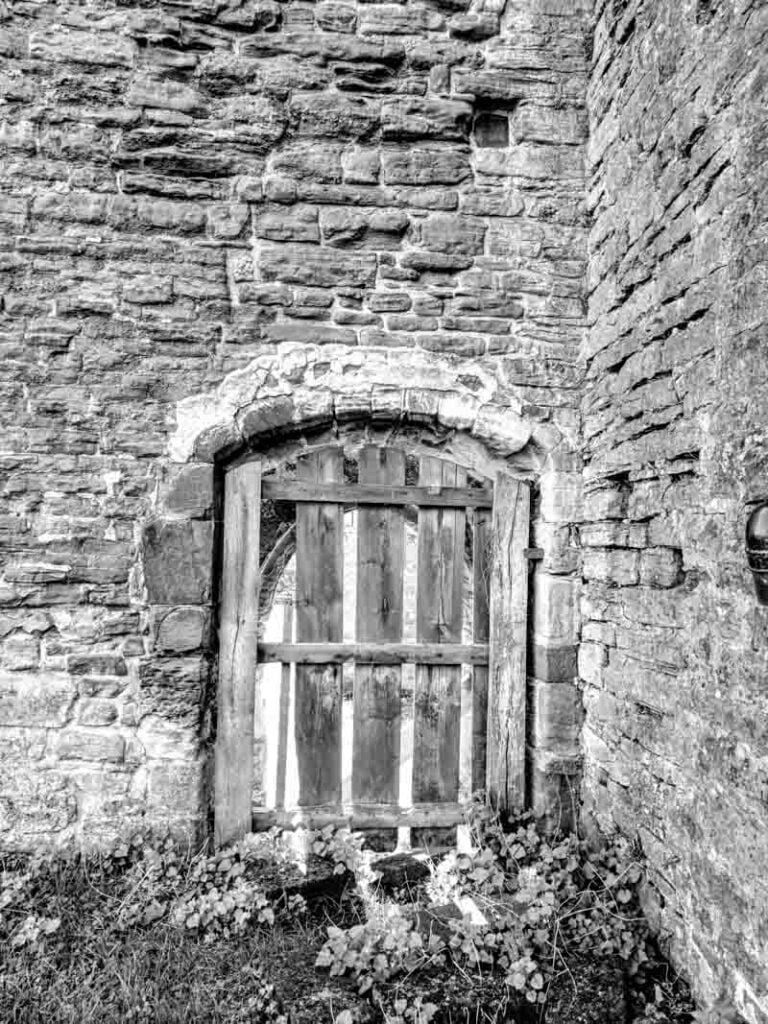
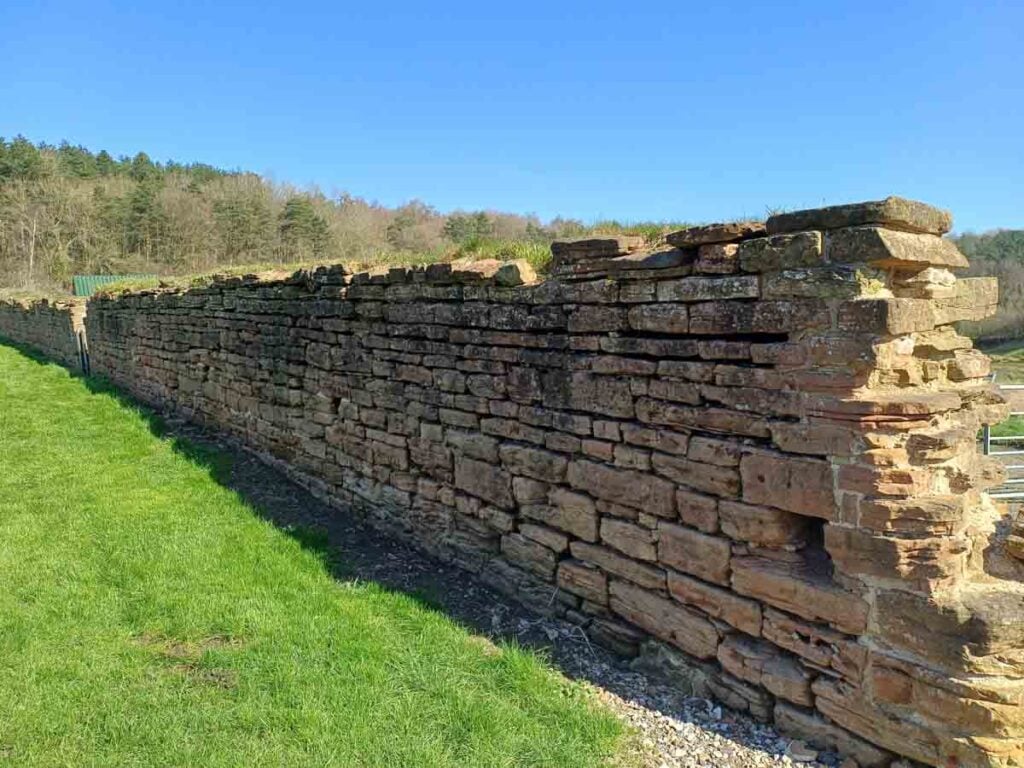
Today, what remains of the Priory is remarkably evocative. As you walk the grounds, the Grade II* listed ruins of the Priory Church and the Prior’s Lodgings stand proud, built from local sandstone and Derbyshire gritstone.
You can clearly see where the high altar would have been, and earthworks in the surrounding meadows still outline the great cloister and the individual cells where the monks once lived.
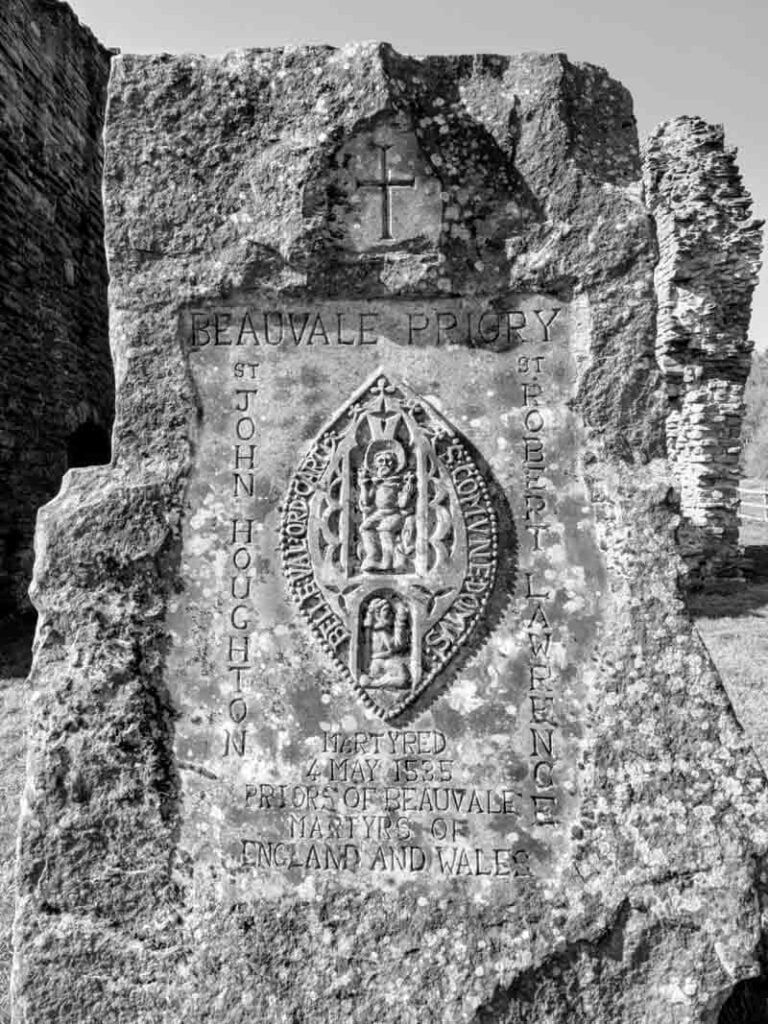
It’s incredibly peaceful to wander around these remnants.
The site is now part of a working farm, giving it an authentic, lived-in feel. Keep your eyes peeled for the resident peacocks and free-roaming chickens who confidently patrol the grounds, adding a splash of color to the ancient stonework.
The Gatehouse Tearooms: A Taste of Rural Bliss
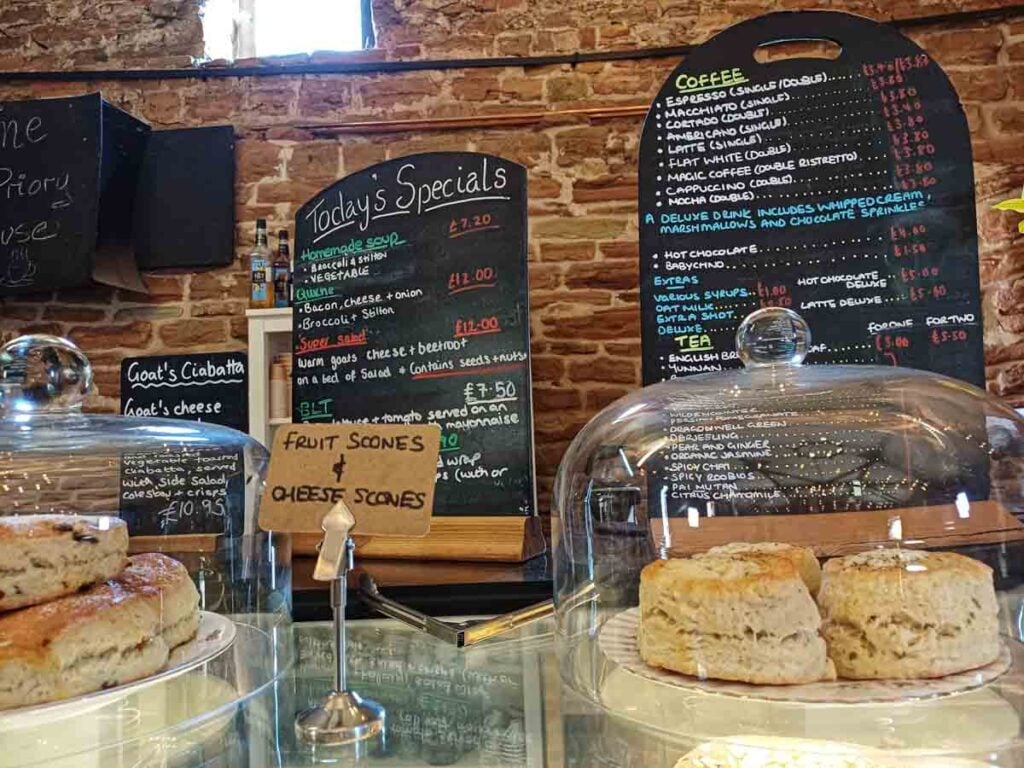
After soaking in the history, a visit to the Gatehouse Tearooms is an absolute must. Housed within the historic stone buildings of the estate, stepping through the door feels like being wrapped in a warm, welcoming hug.
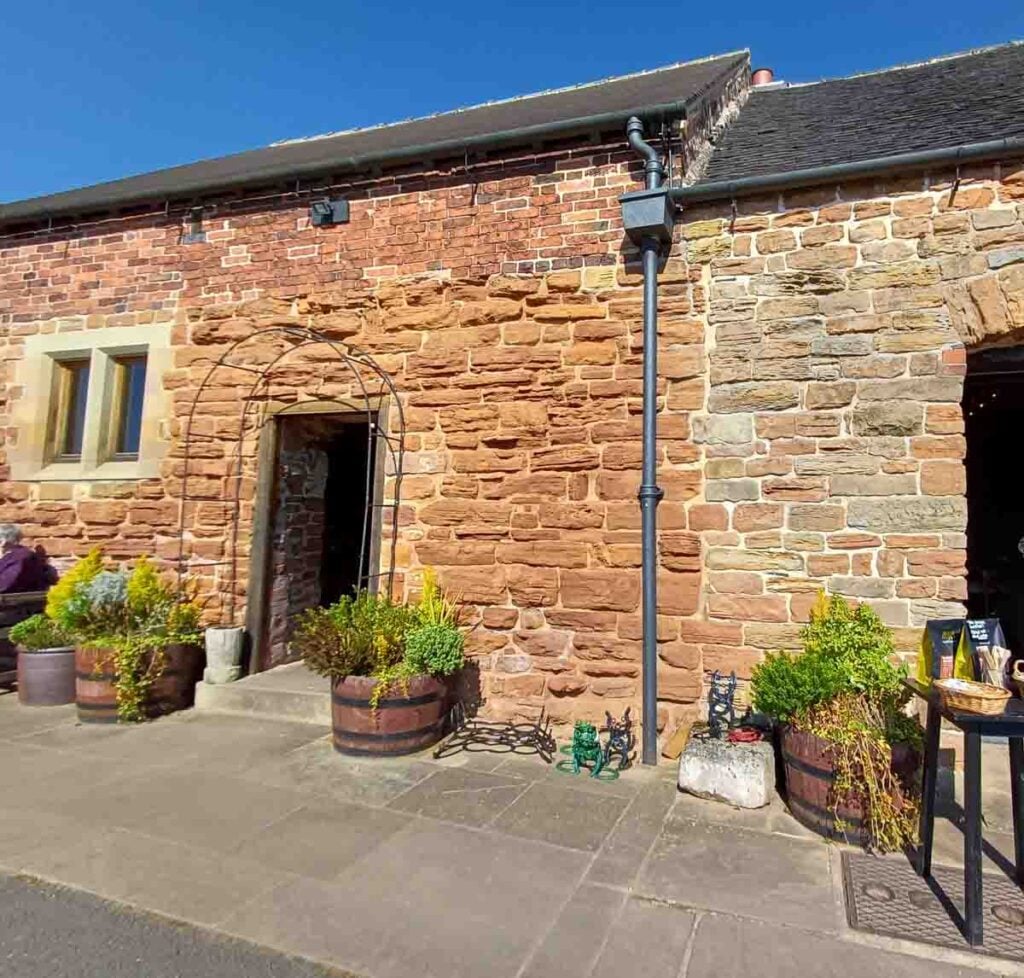
The rustic charm is immediate—think thick stone walls that keep it refreshingly cool in the summer, and a roaring log-burning stove that makes it incredibly cozy during the winter months.
The atmosphere is relaxed, filled with the gentle hum of happy conversation, and the staff couldn’t be more accommodating.
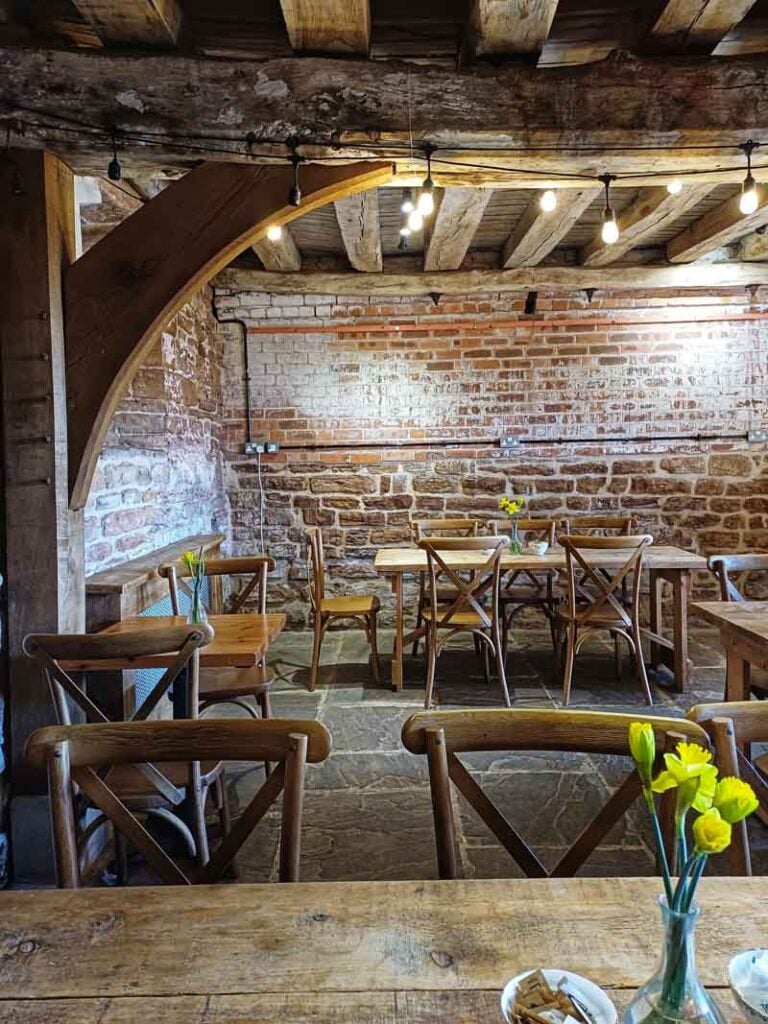
The food here is simply wonderful. Much of it is homemade on-site, including bread from their own bakehouse.
Whether you are stopping by for a hearty, hot jacket potato after a long hike, or settling in for their famed afternoon tea, the quality shines through.
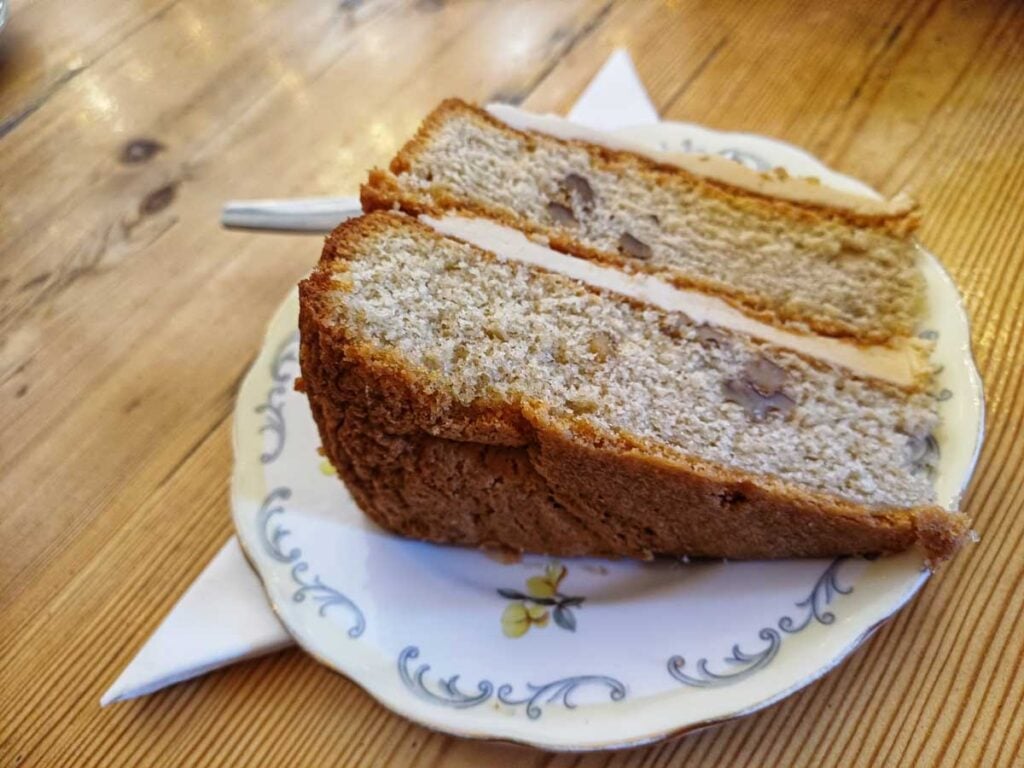
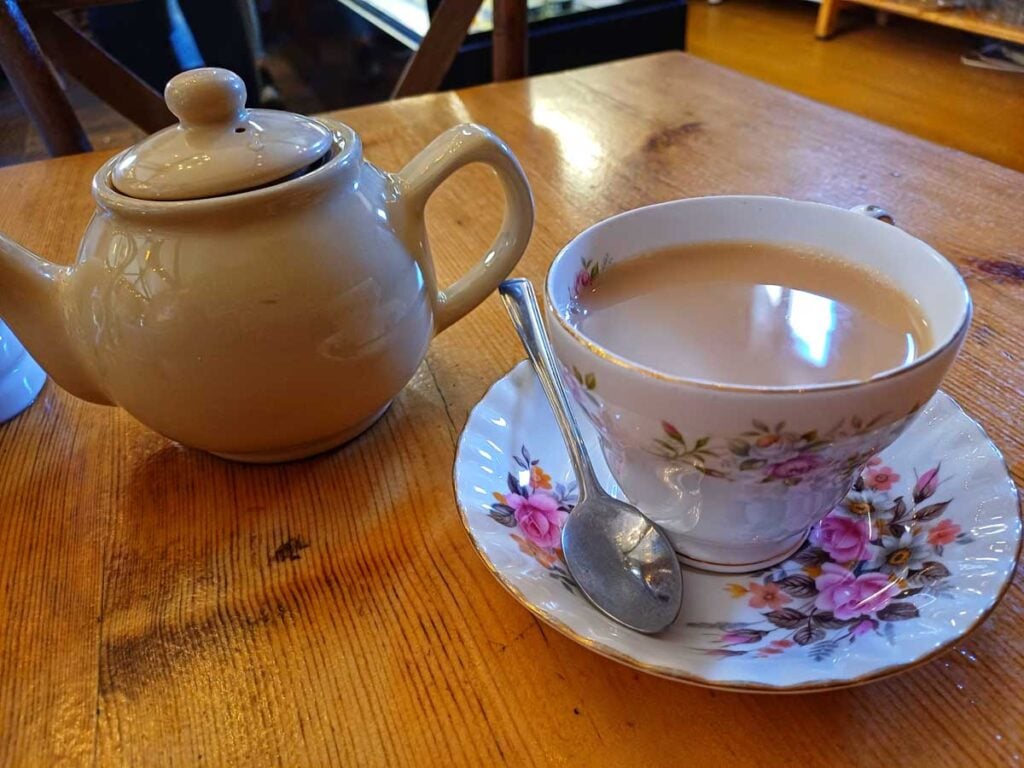
The cakes are a triumph—from moist lemon drizzle to gooey chocolate fudge brownies, and scones heavily laden with fruit, fresh cream, and strawberry jam. Pair that with a proper pot of loose-leaf tea, and it is absolute perfection.
They are also wonderfully attentive to dietary requirements, offering fantastic gluten-free options (including a highly-rated gluten-free pizza!) so everyone in your walking party can indulge.
Practicalities for Your Visit
Getting There: Beauvale Priory is located at Beauvale Abbey Farm on New Road, Moorgreen, Nottinghamshire (NG16 2AA). It is tucked at the end of a long track, which only adds to the sense of discovery.
Walking: The area is crisscrossed with fantastic walking trails, making the tearoom the perfect start, middle, or end point for a hike.
Dogs: As a working farm with free-roaming animals, dogs are very welcome but must be kept on a lead at all times. The tearooms are wonderfully dog-friendly, so your four-legged hiking companions can join you inside.
Booking: The tearooms are highly popular, especially for lunches and afternoon teas on weekends. It’s well worth booking ahead to secure your table.
Beauvale Priory is one of those rare places where history, nature, and exceptional hospitality meet effortlessly. It’s good for the soul, and I can’t wait to go back.