

When you track the historic path of the Lady Anne Clifford Castle Trail through the North of England, you spend most of your time exploring open, windswept ruins.
Places like Brough Castle and Pendragon invite you to imagine the rooflines and tapestries that vanished centuries ago.
Yet, as you descend into the beautifully preserved red-sandstone market town of Appleby-in-Westmorland, the trail throws out a massive, fully intact architectural surprise: Appleby Castle.
Perched proudly on a high ridge completely encircled by a defensive loop of the River Eden, this nine-century-old fortress holds a unique distinction—it is one of the exceptionally few Lady Anne properties that never devolved into a hollow shell.
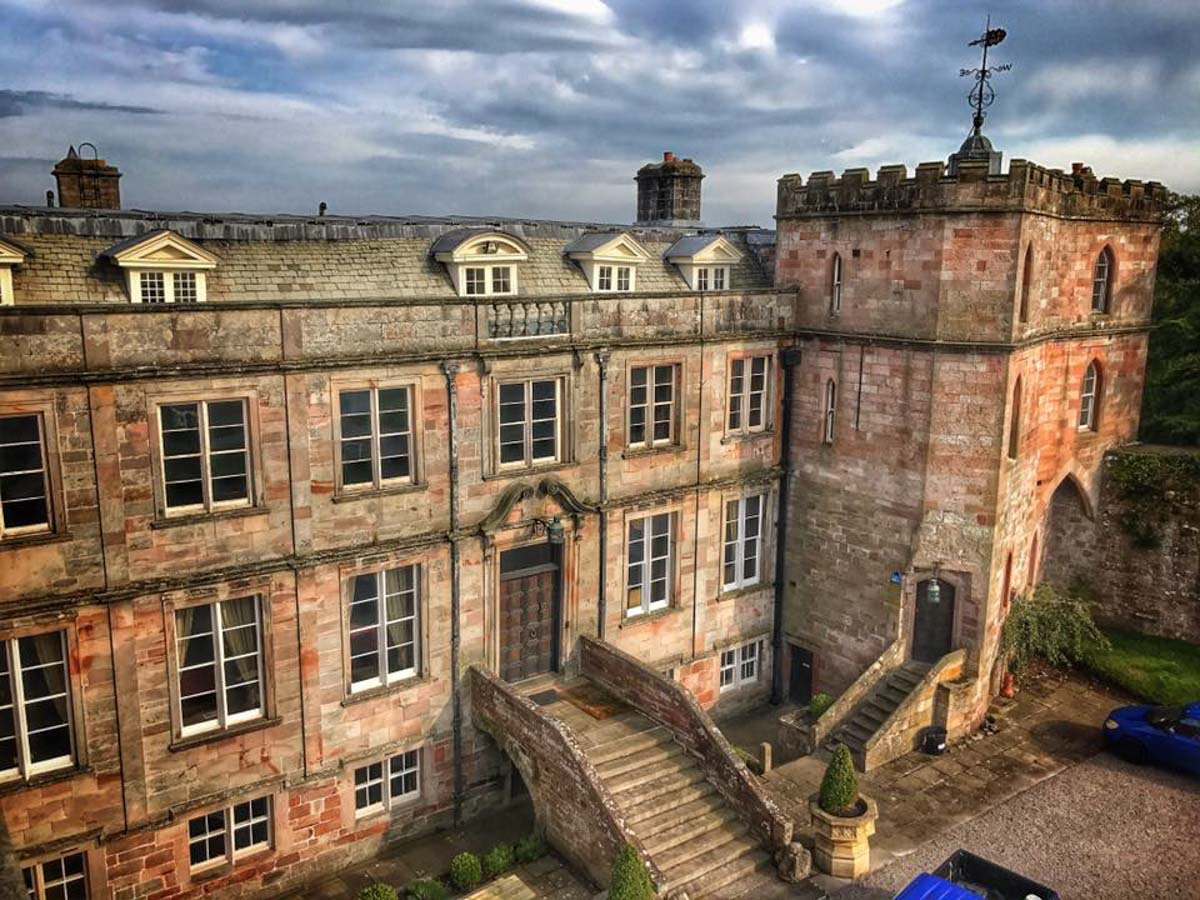
Today, it operates as a dual-purpose landmark: a preserved historical day-visitor monument and a fully operational independent hotel.
However, navigating Appleby Castle requires a distinct balancing act. While its structural soul and medieval history are utterly flawless, the commercial hospitality experience on-site is undeniably quirky.
Here is my first-person field manual and honest guide to managing your expectations when visiting or staying at Appleby Castle.
🏰 Appleby Castle Site Blueprint & Logistics
Geographic Location:
Anchored at the top of the main borough hill in Appleby-in-Westmorland, Cumbria. Postcode: CA16 6XH.
The Cluster:
Functions as the primary administrative master seat along the 100-mile Lady Anne Clifford historic itinerary.
Day-Visitor Access:
The outer grounds, defensive ramparts, and the fully restored Norman Keep museum are open daily for public tours.
Admission Metric:
Ground walks and museum entry require a paid ticket at the main gatehouse.
The Hospitality Element
Functions as an active hotel offering overnight castle bedrooms and private self-catering cottages within the inner curtain wall.
Transit Access:
Highly accessible. Sits just off the main A66 trans-Pennine corridor, and is located less than a mile from Appleby Railway Station along the iconic Settle-Carlisle line.
The Stronghold Matrix: Nine Centuries of Frontier Evolution
Before evaluating Appleby as a modern place to stay, you have to appreciate the immense depth of the soil beneath it.
Long before medieval masons laid the first red sandstones, Roman legions utilized this high, commanding bluff overlooking the River Eden as an essential signal point and military checkpoint to protect the river crossings.

Following the Romans, Danish Vikings settled the lowlands—in fact, the very name Appleby stems from a beautiful hybrid of Old English and Old Danish, translating literally to the “Place of Apples.”
You can read more about the History of English Place Names in Our Guide.
To help you get your historical bearings before passing through the ancient portcullis doors, here is a functional look at the core historical eras that defined this fortress layout:
|
Era / Milestone |
Historical Event & Prominent Figures |
Structural Evolution of the Site |
|---|---|---|
|
12th Century |
Constructed by Norman Baron Ranulf le Meschin |
Erects the massive, quadrangular stone keep that still forms the historic heart of the modern compound. |
|
1157 |
Regained by Henry II after a brief Scottish capture |
Passed to Hugh de Morville—the infamous knight who went on to murder Archbishop Thomas Becket in 1170. |
|
14th Century |
Acquired by the powerful Clifford Dynasty |
The family adds the sprawling Great Hall, extensive curtain walls, and grand residential wings over a 400-year tenure. |
|
1649–1676 |
Reclaimed and restored by Lady Anne Clifford |
Rebuilds the compound after the English Civil War, converting the military fort into her primary administrative estate. |
|
Mid-19th Century |
Purchased and renovated by the Brougham Family |
Launches a major wave of mid-Victorian restoration—adding distinct Gothic-style decorative features across the wings. |
|
Modern Era |
Transition to private ownership and commercial hotel |
The inner keep is converted into the Norman Centre museum, while the state rooms open for overnight accommodation. |
The Operational Core: Lady Anne’s Master Seat of Power
While her other properties served as temporary staging posts or private wilderness retreats, Appleby Castle was the absolute administrative heart of Lady Anne Clifford’s northern empire.
When she finally took physical possession of her ancestral lands in the mid-1600s, this was the fortress she chose to thoroughly renovate and transform into her primary, long-term home.

It was within these thick stone walls that Anne kept her meticulous daily diaries, held her regional business courts, and fiercely managed the vast financial ledgers required to rebuild the entire valley’s historic infrastructure.
Wandering through the grounds, her personal touch remains beautifully evident.
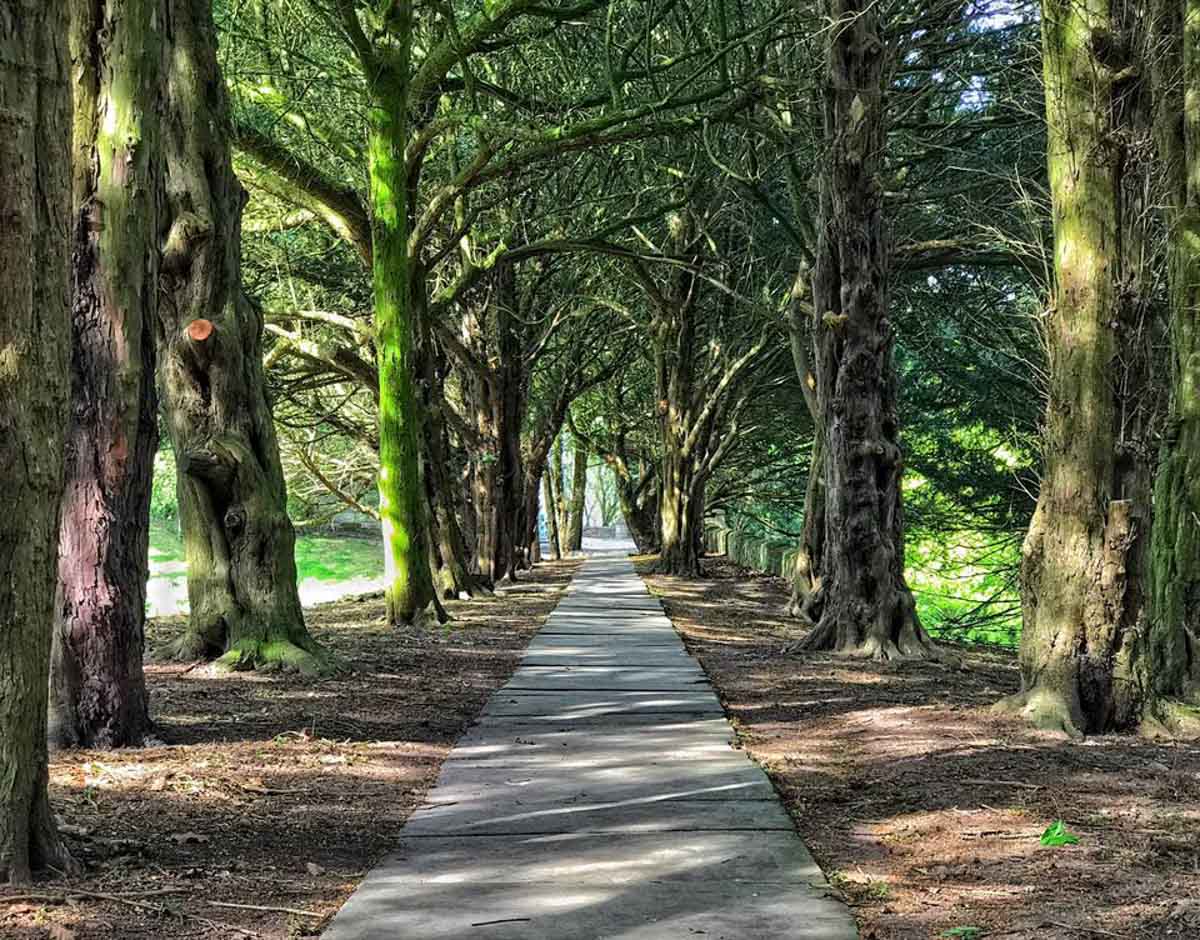
My favourite walkway on the entire estate is the magnificent, shadowed tunnel of ancient yew trees.
Reputed to have been planted personally under Lady Anne’s direct supervision in the 1650s, the morning light hits the canopy perfectly, creating an atmospheric, deeply mindful space that serves as the ultimate introduction to a garden walk.
If you are lucky you may also spot one of the precious Eden Valley residents on the grounds, a Red Squirrel.
Explore the Full Itinerary: While Appleby was her grand administrative headquarters, it was just one stop on an incredible 100-mile journey.
To see how this fortress links up with her birthplace at Skipton and her final destination at Brougham, check out my complete Lady Anne Clifford Castle Trail Guide.
The Hospitality Reality: Managing Your Expectations
Because Appleby is an intact castle rather than a managed ruin, the owners face the monumental, multi-million-pound challenge of funding its ongoing survival through commercial hospitality.
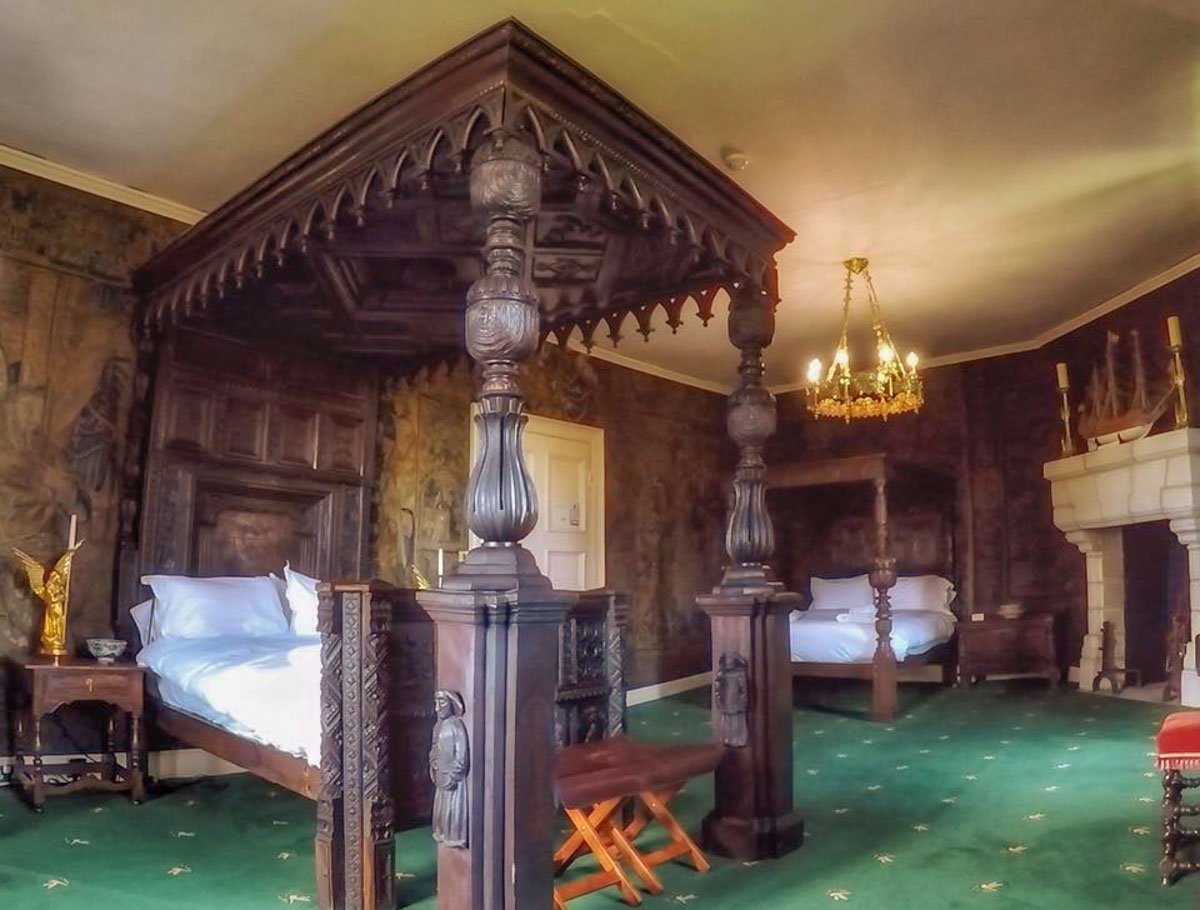
The rooms inside the main castle and the old servants’ quarters have been converted into guest overnight accommodation.
However, if you are booking a stay here expecting the polished, seamless, ultra-modern luxury service of a standardized five-star hotel chain, you need to recalibrate your expectations immediately.
The Overnight Accommodations
The bedrooms lean heavily into an unvarnished, time-capsule aesthetic.
Several of the primary suites feature stunning antique four-poster beds and heavy, historic furniture that make you feel as though you have genuinely stepped back into the 17th century.
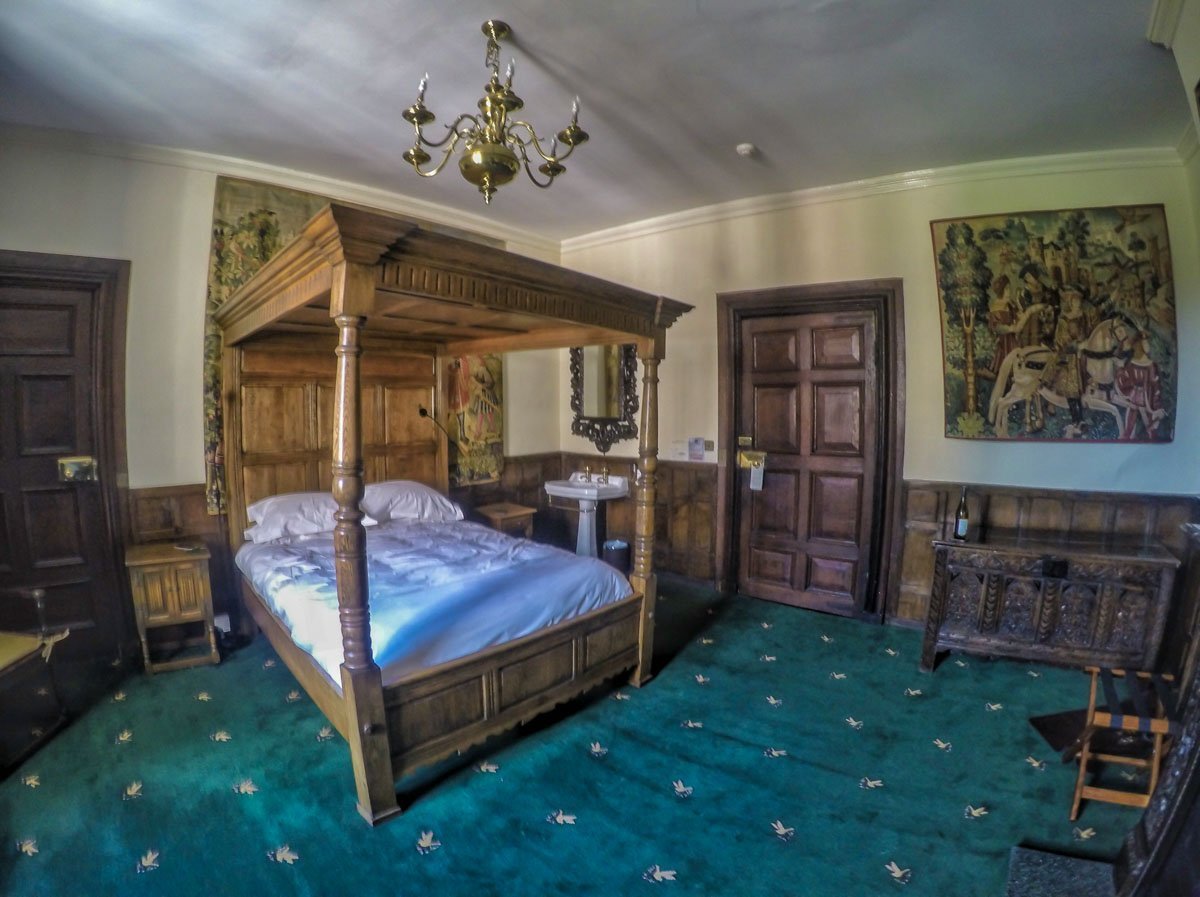
However, the day-to-day upkeep across the estate can feel somewhat dated and uneven.
The management model here is fiercely independent and undeniably eccentric—the customer care style can occasionally lean toward the unpredictable or chaotic.

The Dining Evaluation
A similar, unpolished trajectory applies to the on-site dining options.
Eating inside a medieval castle hall is a spectacular visual experience, and the food itself is perfectly good.
However, the pricing structure sits firmly at premium fine-dining tiers, while the culinary execution and service cadence feel much more aligned with a standard, mainstream country establishment.

Furthermore, breakfast options can be inconsistent depending on local rural staffing constraints, sometimes shifting down to a simple light continental layout.
The Tactical Guide Verdict: Do not visit Appleby expecting slick, corporate perfection. Visit it as an eccentric, rustic, and raw independent castle adventure.
If you approach a stay with an open mind and a spirit of adventure, the sheer magic of sleeping within Lady Anne’s intact walls easily overrides the unpolished edges of the service.

Day Exploration: The Norman Centre and Ground Walks
If you choose not to stay overnight, visiting Appleby Castle as a daytime explorer is an absolute must-visit day trip.
The historic 12th-century Norman Keep has been masterfully renovated and converted into a dedicated museum called The Norman Centre.

Spanning four floors of deep historical archives, armor displays, and interactive exhibits, the museum provides a brilliant, comprehensive education on early Cumbrian frontier life.
The absolute highlight of the museum route is gaining foot access directly onto the roof of the Keep.
Standing on this high stone viewing platform gives you an unparalleled, 360-degree panorama over the entire Upper Eden landscape.
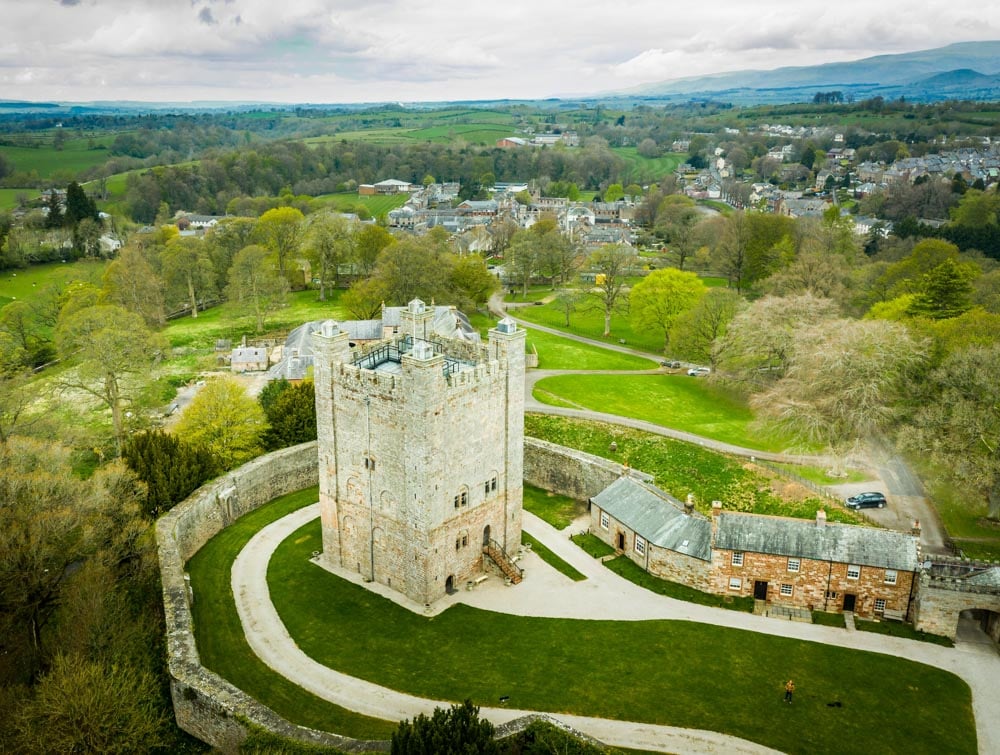
On a clear day, you can look east to trace the high Pennine ridge of High Cup Nick dominating the skyline, and turn west to watch the sun catch the distant peaks of the Lake District fells.
Before you leave the gates, make sure to book onto a formal castle history tour.
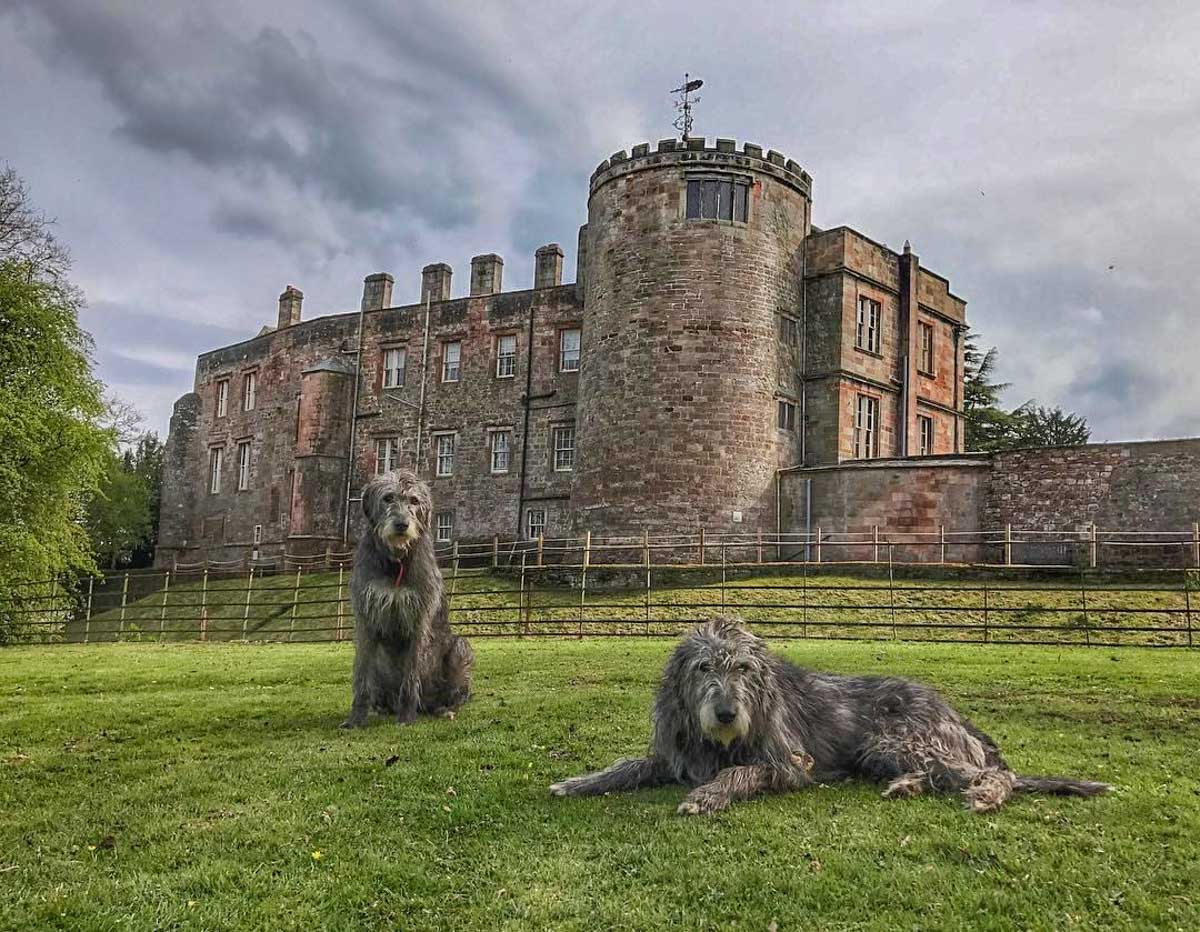
The local guide, Kenneth, is an absolute legend and a highlight of the entire experience. His vast, deep-dive historical knowledge, paired with a brilliant storytelling delivery, does more to bring the soul of Lady Anne’s world to life than any guidebook ever could.
Stepping Beyond the Gates: St. Anne’s Hospital (The Almshouses)
Lady Anne’s architectural legacy in Appleby wasn’t restricted solely to the safety of the castle’s high curtain walls.
As you finish your tour and step back out through the main gates to descend into the town center, you will encounter another immaculate piece of her 17th-century footprint: St. Anne’s Hospital.
Founded personally by Lady Anne in 1651, this beautiful, red-sandstone courtyard complex was built as an almshouse to provide a safe sanctuary, heating, and income for thirteen local widows from the community.
Anne took her role as their protector incredibly seriously, even drawing up strict rules ensuring they attended regular chapel services.
Today, the quiet, low-roofed courtyard remains an active, peaceful haven of local charity and a stunning piece of living history.
If you are planning to wander down the borough hill into the market town after your castle visit, check out my complete boots-on-the-ground guide to exploring The Almshouses of St. Anne’s Hospital in Appleby.
Explore More Spectacular Historic Castles & Strongholds of England
- The Prince Bishop’s Palace: Durham Castle: Navigating the Norman Fortress of the Historic North
- The Slipped Leicestershire Ruin: Ashby de la Zouch Castle: Exploring a Sedge-Row Frontier Stronghold
- The Key to England: Dover Castle: Mapping the Iconic Fortress on the White Cliffs of Kent



Very interesting read thanks
I’m a massive fan of your photos! I really like how you are using the latest technology to get even more interesting perspectives.
Thank you so much… very kind of you to say 🙂