I still remember the exact moment I fell for Florence. It wasn’t a slow burn; it was instantaneous. Stepping out of the Santa Maria Novella train station, I was met not just by the famed Tuscan sun, but by a symphony of sounds and sights that felt both ancient and thrillingly alive.
The melodic cadence of Italian voices, the distant chime of a bell tower, the scent of espresso and leather hanging in the air—it was a sensory welcome that promised a city break unlike any other.
Florence isn’t a city you simply visit; it’s one you inhabit. It’s a living, breathing museum where masterpieces by Michelangelo and Leonardo da Vinci are not just exhibits but neighbours.
Life spills out from frescoed chapels onto cobblestone streets, and the weight of history is felt not in hushed galleries, but in the vibrant chaos of a local market and the quiet clink of glasses during the evening passeggiata.
What struck me most, and what makes it the quintessential city break destination, is its incredible compactness. You don’t need a complex transport strategy or a rigid schedule. The city’s greatest treasures are discovered on foot, often by happy accident, allowing for a sense of spontaneity that is the true luxury of modern travel.

A short trip here feels less like a frantic tour and more like a deep, restorative immersion into la dolce vita.
This guide is my attempt to bottle that magic. It’s more than a travelogue; it’s a curated roadmap, built from my own experiences and deep dives into the city’s secrets.
It’s designed to help you move beyond the checklist of sights and craft your own perfect Florentine story, blending the world-famous icons with the intimate, unforgettable moments that truly define this capital of the Renaissance.
Planning Your Florentine Escape: A Practical Primer
Before you can lose yourself in the art and Aperol, a little planning goes a long way. Here’s everything you need to know to make your arrival and stay seamless, setting the stage for a perfect city break.
When to Visit: The Secret of the Shoulder Seasons
Florence is a city for all seasons, but some are certainly more magical than others. While the summer months promise long, sun-drenched days, they also bring peak crowds and soaring temperatures that can make exploring the city feel like an endurance sport.
Winter, from November to February, offers a reprieve from the tourist throngs and can be wonderfully atmospheric and budget-friendly, but you’ll trade sunshine for a higher chance of rain and chillier days.
For me, the sweet spot lies in the shoulder seasons: April to June and September to October. During these months, the Tuscan light is at its most beautiful, the weather is pleasantly warm without being oppressive, and the city, while still bustling, feels more manageable.
There’s a festive energy in the air, especially in late spring, making it the ideal time to experience Florence at its most vibrant.
Getting to the Heart of Tuscany: From the UK to Firenze
Reaching Florence from the UK is remarkably straightforward. While a scenic train journey through Europe is a romantic option, it’s a significant time investment, often taking over 13 hours.
For a city break, flying is undoubtedly the most efficient and cost-effective choice.
You have two primary airport options, and your choice can be a strategic one.
Florence Airport, Peretola (FLR): The city’s own airport is conveniently close, located just a few kilometers from the center. The T2 tram line provides a direct, quick, and cheap connection to Santa Maria Novella station in about 25 minutes, making it an incredibly easy arrival point.
Pisa International Airport (PSA): Don’t overlook Pisa. It’s a major hub for budget airlines and often offers significantly cheaper flights from the UK. From the airport, frequent trains whisk you directly to Florence’s Santa Maria Novella station in about an hour.
This was the route I took on my first trip, and it presents a brilliant travel hack: you can easily store your luggage at Pisa’s train station and spend a few hours visiting the Leaning Tower and the Piazza dei Miracoli before continuing on to Florence.

It turns a potential logistical compromise into a bonus destination, adding another iconic Italian experience to your itinerary with minimal fuss.
Where to Lay Your Head: Choosing Your Florentine Base
Where you stay can shape your entire experience of the city. Florence’s compact nature means you’re never far from the action, but each neighbourhood offers a distinct flavour.
Centro Storico (Historic Center): For the first-time visitor, there is no better place to be. Staying here means you are literally steps away from the Duomo, the Uffizi Gallery, and the Piazza della Signoria.
You’ll be immersed in the Renaissance grandeur from the moment you step out your door. The convenience is unparalleled, though it comes at a premium.
Oltrarno (Across the Arno): My personal favourite. This neighbourhood, just a short walk across the Ponte Vecchio, feels like a different city.
It’s the artisan’s quarter, where you’ll find leatherworkers, jewellery makers, and antique restorers in their workshops.
The vibe is more local, the trattorias more intimate, and the streets quieter. It’s the perfect choice for those seeking a more authentic, less tourist-centric experience.
For a charming and affordable stay, consider places like Residenza Johanna I , or for a more boutique feel, AdAstra offers unique rooms overlooking a private garden.
Navigating the Renaissance Streets: A Walker’s Paradise
Let me be clear: Florence is a city to be walked. Put on your most comfortable shoes—this is the single most important piece of advice I can give.
The historic center is a labyrinth of largely pedestrianized streets, and the joy of discovery lies in wandering without a fixed plan. You can cross the entire core of the city in about 30 minutes, making it incredibly accessible.
For the few times you might need it, the public transport system is efficient. The network of buses (run by Autolinee Toscane) and trams is most useful for reaching destinations on the city’s periphery.
Bus lines 12 and 13 are perfect for the scenic trip up to Piazzale Michelangelo, while bus 7 will take you to the charming hilltop town of Fiesole. You can buy tickets at tobacco shops (tabacchi) or newsstands, and modern buses and trams now allow for simple contactless payment with a credit card or smartphone—just remember to tap for each new journey within the 90-minute ticket validity.
A Curated Itinerary: Two Unforgettable Days in Florence
This itinerary is designed to balance the unmissable icons with moments of quiet discovery, weaving my own cherished memories into a path you can follow. Remember to book your tickets for the major galleries well in advance!
Day 1: Of Domes, Demigods, and Sunset Strolls
Morning (8:00 AM): The Duomo Complex – A Feat of Faith and Engineering
My first piece of advice from my original trip still stands: get up early. There is nothing quite like seeing the Piazza del Duomo in the soft morning light before the crowds descend.

The sheer scale of the Cattedrale di Santa Maria del Fiore, with its intricate pink, green, and white marble façade, is breathtaking. While entry to the cathedral itself is free, the real magic of the complex lies in its other components.
This brings you to the great “Duomo Dilemma”: which tower to climb?
Brunelleschi’s Dome: Climbing the 463 steps of the cupola is a journey into history. You are ascending between the two shells of Brunelleschi’s ingenious design, and along the way, you get an astonishingly intimate, close-up view of Giorgio Vasari’s magnificent frescoes of The Last Judgment on the interior of the dome. The final panoramic view from the top is, of course, spectacular.
Giotto’s Bell Tower: The adjacent campanile offers a slightly less strenuous climb (414 steps) and, in my opinion, the superior view. Why? Because your panoramic photos of the Florentine skyline will feature its most iconic element: Brunelleschi’s Dome itself.
Practical Tip: To visit the monuments, you’ll need to purchase a pass. The Brunelleschi Pass (€30) covers all sites, including the Dome, Bell Tower, Baptistery, Opera del Duomo Museum, and the Santa Reparata crypt.
The Giotto Pass (€20) includes everything except the Dome climb. Crucially, the Dome climb requires a mandatory timed reservation that must be made when you purchase your pass and cannot be changed.
Afternoon (1:00 PM): The Uffizi Gallery – A Walk with Gods and Geniuses
The Uffizi Gallery was the place I was most excited to visit, and it did not disappoint. This is where the Renaissance truly comes to life.
I remember walking into the room with Sandro Botticelli’s masterpieces and feeling a sense of genuine awe. Seeing the ethereal beauty of “The Birth of Venus” and the vibrant, joyful “Primavera” in person is an experience that reproductions can never capture.

I managed to have the “Birth of Venus” almost to myself for a few precious moments, a memory I still cherish.
But the Uffizi is more than just Botticelli. Give yourself at least three hours to wander through its U-shaped halls, discovering priceless works by Giotto, Leonardo da Vinci’s “Annunciation,” Michelangelo’s “Doni Tondo,” and Caravaggio’s arresting “Medusa”.
Crucial Advice: The queues for the Uffizi are legendary, often snaking around the piazza for hours. Do not leave this to chance.
Booking a “skip-the-line” ticket with a timed entry slot is absolutely non-negotiable. You should book this weeks, if not months, in advance to avoid disappointment.
Evening (6:00 PM): Ponte Vecchio and the Art of Aperitivo
As the afternoon sun casts a golden glow over the city, take a stroll towards the Arno River and the iconic Ponte Vecchio.
This medieval stone bridge is unique, lined with glittering jewellery shops that have been there since the 16th century, when the ruling Medici family evicted the bridge’s original tenants—the far less fragrant butchers and tanners—to improve the view from their private corridor above.
As you cross the bridge, you’ll see a structure running along the top of the shops. This is the Vasari Corridor, a private, elevated passageway built for Duke Cosimo I de’ Medici in 1565.
It connected the government offices (the Uffizi) on one side of the river with the family’s grand residence, the Pitti Palace, on the other.
This wasn’t just a bridge; it was a statement of absolute power, allowing the Medici to move through the city unseen by and elevated above their subjects.
This physical link between their administrative and domestic worlds is a tangible reminder of the family’s immense influence over every aspect of Florentine life.
This is the perfect time to embrace one of Italy’s most civilized traditions: the Aperitivo. Find a bar with outdoor seating, order an Aperol Spritz or a glass of Prosecco, and relax.
It’s not just a pre-dinner drink; it’s a cultural ritual. For the price of your drink, you’ll often get access to a selection of delicious canapés and snacks. It’s the ideal way to unwind, people-watch, and soak in what I found to be the “sexy, stylish and cool” Italian way of life as the sun sets.

Day 2: David, Delicacies, and the Artisan’s Soul
Morning (8:15 AM): The Accademia – In the Presence of David
Start your day with another masterpiece: Michelangelo’s David. The Galleria dell’Accademia is built around this single, iconic sculpture, and the approach is masterfully designed.
You walk down a long hall flanked by Michelangelo’s unfinished “Prisoners” or “Slaves”—figures struggling to emerge from their marble blocks, which only heightens the anticipation.
And then you see him. Standing 17 feet tall under a soaring rotunda, David is overwhelming in his perfection and scale. I remember being told to pay close attention to his eyes and his oversized hands, details that convey his focused intensity and strength before the battle with Goliath.
He was not just a piece of art but a political symbol for the Florentine Republic: a defiant representation of liberty and courage against tyranny.
Practical Tip: Like the Uffizi, the Accademia draws immense crowds. Pre-booking your timed-entry ticket is essential to avoid spending your morning in a queue.
Midday (11:00 AM): Mercato Centrale – A Tale of Two Markets
From the sublime to the deliciously chaotic, make your way to the Mercato Centrale. This magnificent 19th-century iron-and-glass structure houses two distinct culinary worlds.
The Ground Floor: This is a traditional, bustling Italian market. The air is thick with the smells of fresh produce, sharp cheeses, and cured meats. It’s where locals do their daily shopping, haggling with butchers and fishmongers. It’s a vibrant, authentic slice of Florentine life.
The First Floor: The upper level has been brilliantly transformed into a modern, gourmet food hall. Here you’ll find dozens of high-quality stalls offering everything from fresh pasta and pizza to artisan gelato and Chianti wine.
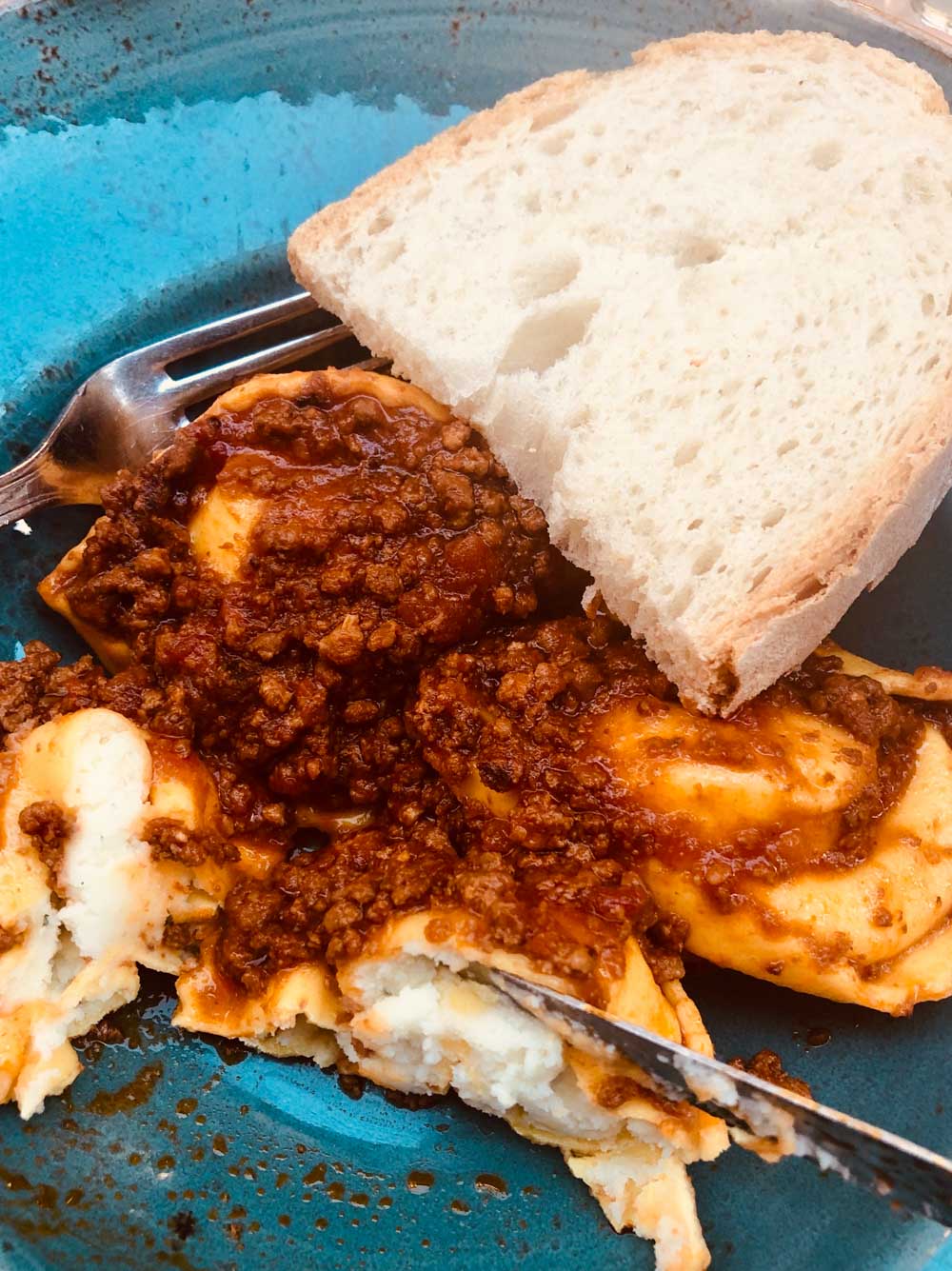
It was here I had a plate of deliciously simple Tuscan potato ravioli that I still dream about. It’s the perfect spot for a casual, high-quality lunch where everyone can choose something different.
Afternoon (2:00 PM): Oltrarno – The Other Florence
Cross the Arno again, this time to explore the Oltrarno district in more depth. Your destination is the colossal Pitti Palace, the last residence of the Medici family.
Its sheer size is a testament to their wealth and power. The palace is now home to a complex of five museums, including the Palatine Gallery, with its rich collection of works by Raphael and Titian, and the whimsical Museum of Costume and Fashion.
Directly behind the palace lie the magnificent Boboli Gardens. This is the prototype of the formal “Italian garden” that inspired courts across Europe.
It’s a vast outdoor museum, a sprawling landscape of manicured lawns, grand fountains, hidden grottoes, and Renaissance statues. It’s the perfect place to wander for a couple of hours, escaping the city’s intensity and enjoying the beautiful terraced views.
Evening (7:30 PM): A True Tuscan Feast
For your final evening, stay in the Oltrarno or head to the Sant’Ambrogio neighborhood to dine at an authentic trattoria, far from the tourist traps of the city centre.
This is your chance to dive deeper into Tuscan cuisine. Look for menus featuring local specialties like Bistecca alla Fiorentina, a thick-cut T-bone steak from Chianina cattle, seared rare and seasoned simply with salt and pepper.
Or try a hearty bowl of Ribollita, a traditional bread and vegetable soup, or Pappa al Pomodoro, a rustic tomato and bread soup.
Don’t miss the classic appetizer, Crostini Neri, toasted bread topped with a rich chicken liver pâté. Restaurants like La Casalinga or Osteria Antica Mescita San Niccolo offer a wonderfully authentic and delicious experience.

Beyond the Postcard: Crafting Your Unique Florentine Story
Once you’ve seen the icons, it’s time to discover the experiences that make a trip to Florence truly personal and unforgettable. Here are a few of my favourite ways to step off the beaten path.
For the Foodie: Beyond the Trattoria
Learn from a Nonna (or a Chef): Immerse yourself in Tuscan culinary traditions with a hands-on cooking class. Many schools offer wonderful experiences, from learning to make fresh pasta and tiramisu to market-to-table tours where you select your own fresh ingredients before cooking them. It’s a fun, delicious, and memorable way to take a piece of Italy home with you.
Shop Like a Local at Sant’Ambrogio Market: While Mercato Centrale is fantastic, the Sant’Ambrogio Market offers a more authentic, gritty experience. Located east of the city center, this is where Florentines actually shop for their daily produce, meat, and cheese. The indoor hall is a cacophony of vendors, while the outdoor stalls sell everything from fresh fruit to vintage clothes. Grab a lampredotto (tripe sandwich)—a true Florentine delicacy—from a food stall and soak in the local atmosphere.
For the Connoisseur of Scent & Style: A Legacy of Craft
Step into the World’s Oldest Pharmacy: Tucked away near the Santa Maria Novella church is a true hidden gem: the Officina Profumo-Farmaceutica di Santa Maria Novella. Founded by Dominican friars in 1221, this is more than a shop; it’s a living museum.
Step through the unassuming doors into a world of frescoed ceilings, ornate woodwork, and antique apothecary jars. The air is filled with the scent of their centuries-old perfume recipes, soaps, and herbal remedies. It’s a unique and opulent journey back in time.
Discover the Art of Leather at its Source: The streets around the San Lorenzo market are filled with stalls selling leather goods, but for true quality and craftsmanship, head to the Scuola del Cuoio (School of Leather).
Hidden behind the magnificent Basilica di Santa Croce, this school was founded after WWII to teach war orphans a trade. Today, you can walk through the workshops and watch master artisans create exquisite bags, belts, and wallets by hand. It’s a chance to invest in a genuine, high-quality piece of Florentine heritage, far from the mass-produced souvenirs.
For the Seeker of Serene Views: A Secret Garden
Everyone flocks to the Boboli Gardens, but the nearby Bardini Garden offers what I believe are even more spectacular and far less crowded views of the city.
A visit here is a journey through different garden styles, from an English woodland to an agricultural park. The undisputed highlight is the magnificent Baroque staircase that ascends the hillside, offering breathtaking, frame-worthy panoramas of the Duomo and the Florentine skyline at every turn.
In late April and early May, its famous wisteria tunnel bursts into a spectacular cascade of purple blooms—a truly magical sight.
For the Urban Explorer: Uncovering Hidden Florence
Order Wine Through a Plague Window: Keep your eyes peeled for one of Florence’s most unique historical quirks: the buchette del vino, or wine windows.
These small, arched hatches, just big enough to pass through a flask of wine, date back to the 1600s and were used to sell wine directly from producers’ cellars while maintaining social distance during the plague. Many have been restored and are back in use, offering a novel way to grab a glass of wine to go.
Walk the Secret Path of the Medici: After being closed for years, the legendary Vasari Corridor finally reopened to the public in December 2024. This is a rare opportunity to walk the enclosed, half-mile passageway that the Medici used to travel between their home and office.
The restored corridor is now a museum in its own right, featuring ancient Roman sculptures and offering unique, window-framed views over the Ponte Vecchio and the Arno that were once reserved for royalty alone.
The Florence Fast-Track: An At-a-Glance Planner
To make your planning as easy as possible, here are my top tips and a handy reference table for booking the city’s must-see attractions.
Top 10 Essential Tips
- Book Ahead: Reserve tickets for the Uffizi and Accademia galleries 1-2 months in advance, especially during peak season. They will sell out.
- Reserve Your Climb: The Duomo Dome climb requires a mandatory timed booking made at the time of ticket purchase. Don’t miss this step.
- Comfort is Key: You will walk for miles on uneven cobblestones. Comfortable, supportive shoes are non-negotiable.
- Embrace the Early Start: Beat the worst of the crowds and the midday heat by arriving at major sights right when they open.
- Cash is Still King: While cards are widely accepted, always have some Euros on hand for smaller cafes, market stalls, and gelato shops.
- Validate Your Ticket: If you use a paper bus or tram ticket, you MUST validate it in the machine on board to avoid a hefty fine.
- Learn the Lingo: A simple Buongiorno (Good morning), Per favore (Please), and Grazie (Thank you) goes a long way.
- Dress Respectfully: When visiting churches, ensure your shoulders and knees are covered. Carrying a light scarf is a great way to be prepared.
- Dine Away from the Duomo: For more authentic and better-value meals, walk a few blocks away from the main tourist squares. The Oltrarno and Sant’Ambrogio areas are excellent choices.
- Look Up: Florence’s beauty isn’t just at eye level. Remember to look up at the frescoes, architectural details, and rooftop terraces that adorn the city.
The Florence Planner: Essential Booking Information
| Attraction | Key Highlights | Booking Essentials (2025 Prices) | Official Booking Link |
| Uffizi Gallery | Botticelli’s Birth of Venus, works by Michelangelo & Leonardo da Vinci. | Ticket: €20 (Mar-Oct), €12 (Nov-Feb). Booking Fee: €4. Booking is mandatory. | Book Uffizi |
| Accademia Gallery | Michelangelo’s David, Hall of Prisoners, musical instruments. | Ticket: €16. Booking Fee: €4. Booking is essential to avoid extreme queues. | (Book Accademia Gallery) |
| Duomo Complex | Brunelleschi’s Dome, Giotto’s Bell Tower, Baptistery, Museum. | Brunelleschi Pass (All sites incl. Dome): €30. Giotto Pass (All sites excl. Dome): €20. Dome climb requires a timed reservation. | (Book Duomo Florence) |
| Pitti Palace | Palatine Gallery, Royal Apartments, Museum of Costume and Fashion. | Ticket: €16. Combined with Boboli: €22. Part of Uffizi Galleries passes. | (Book Pitti Palace) |
| Boboli & Bardini Gardens | Classic Italian garden, sculptures, fountains, incredible city views. | Ticket: €10 (includes Bardini). Combined with Pitti: €22. Part of Uffizi passes. | (Book Bardini Gardens) |