

There is a saying you’ll hear often on the dusty trails of Northern Spain: “The Camino provides.”
It’s a comforting thought, especially when you are three days in, your feet are throbbing, and you’re wondering why on earth you decided to walk 800 kilometers across a foreign country.
But the truth is, while the Camino provides the magic, you have to provide the preparation.
Whether you are answering a spiritual calling, looking for a physical challenge, or simply want to disconnect from the digital noise of modern life, the Camino de Santiago (The Way of St. James) is one of the most rewarding experiences you will ever have.
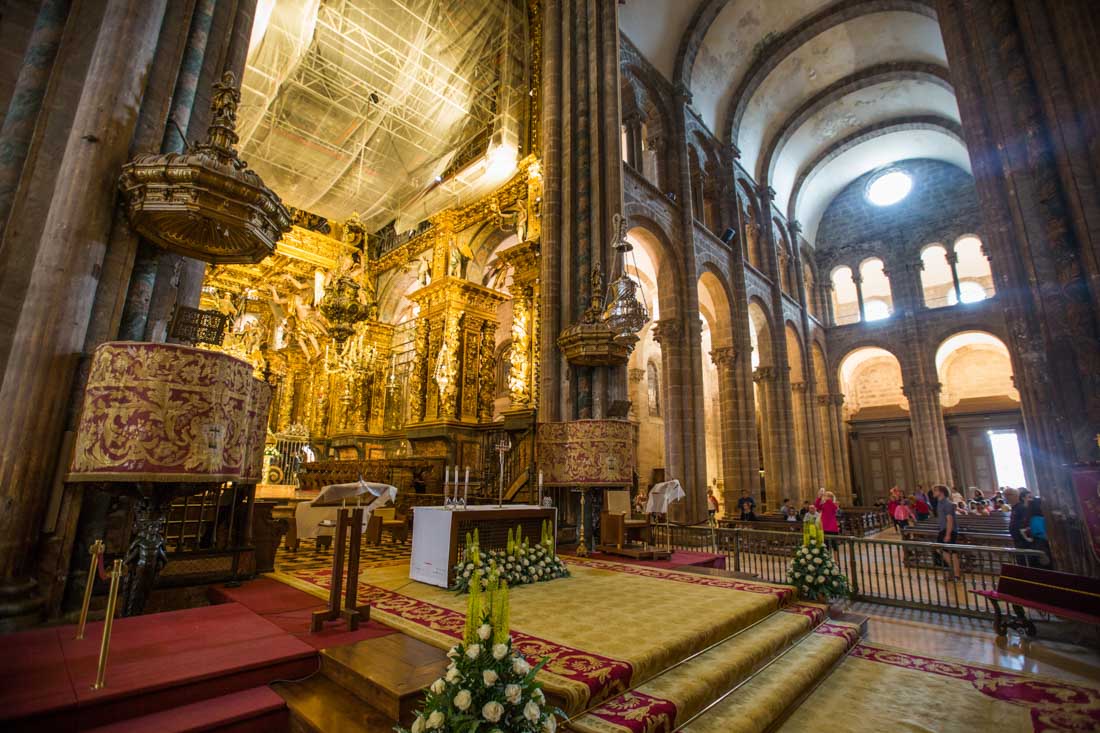
It has evolved from a medieval pilgrimage for the pious into a global phenomenon—a “hybrid ritual” where hikers, history buffs, and soul-searchers share the same path.
Designated a World Heritage Site in 1993, this isn’t just a hike; it’s a journey through history, gastronomy, and your own resilience. Here is everything you need to know to walk the Way in 2026.
1. Which Way? Choosing Your Route
The “Camino” isn’t just one road; it’s a network of arteries pumping pilgrims toward the heart of Santiago de Compostela. Choosing the right one is your first big decision.
The Camino Francés (The French Way)
The Vibe: The classic choice. If you’ve seen the movie The Way, this is the one. It’s social, filled with infrastructure, and impossible to get lost on. It’s the “Grand Central Station” of pilgrimages.
Stats: Approx. 790 km (490 miles). Starts in St. Jean Pied de Port (France). Takes 30–35 days.
Difficulty: Moderate. The Pyrenees crossing on Day 1 is brutal (1,200m elevation gain), but the Meseta (flat plateau) offers a different, mental challenge.
Best For: First-timers and solo travellers who want to meet people. You will find a “Camino Family” within days.

The Camino del Norte (The Northern Way)
The Vibe: Rugged, green, and spectacular. You hug the northern coast of Spain, moving between mountains and ocean. It’s a test of fitness but a feast for the eyes.
Stats: Approx. 835 km (518 miles). Starts in Irún. Takes 35–40 days.
Difficulty: High. It has a “sawtooth” profile—lots of ups and downs.
Best For: Strong hikers who love scenery and great food (Basque country!) but hate crowds.
The Camino Portugués (The Portuguese Way)
The Vibe: The rising star. It’s friendlier on the knees and offers a wonderful mix of Portuguese and Spanish culture. You have two main options here: the Central Route (more historical) or the Coastal Route (boardwalks and beaches).
Stats: Approx. 240–280 km from Porto. Takes 10–14 days.
Difficulty: Low to Moderate. Flatter than the northern routes.
Best For: Those with less time (2 weeks is perfect) or those worried about the physical strain of the Francés.

The Camino Primitivo (The Original Way)
The Vibe: The oldest route, taken by King Alfonso II in the 9th century. It’s wild, mountainous, and often muddy.
Stats: 321 km. Starts in Oviedo. Takes 11–14 days.
Difficulty: Very High.
Best For: Fit hikers seeking solitude and a physical test.
2. Short on Time? The 1-Week Options
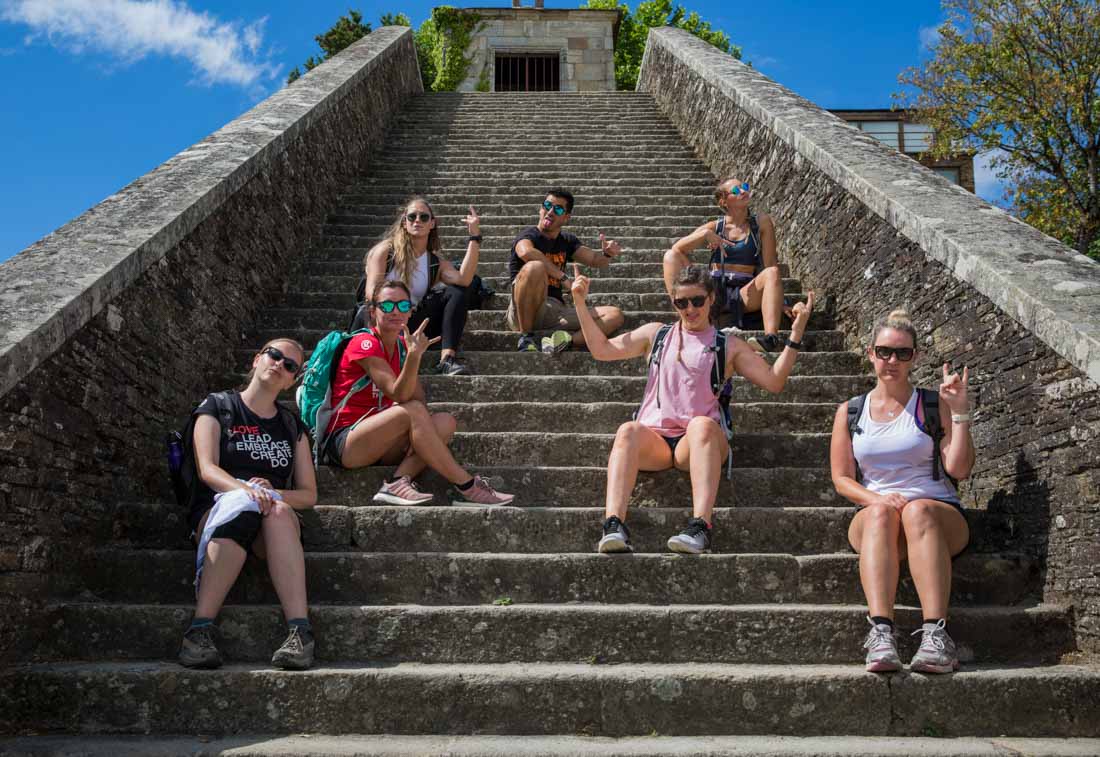
You don’t need to quit your job to walk the Camino. To earn the Compostela (the official certificate of completion), you only need to walk the last 100km. These “micro-Caminos” are incredibly popular.
Sarria to Santiago (The Social Sprint)
Route: Camino Francés.
Distance: 115 km (5–6 days).
The Scoop: This is the most popular section of any Camino. More than 25% of all pilgrims start here. It is lively, packed with cafes, and perfect for beginners. Just be prepared for crowds—it can feel like a walking festival.
Tui to Santiago (The Portuguese Taster)
Route: Camino Portugués Central.
Distance: 119 km (5–6 days).
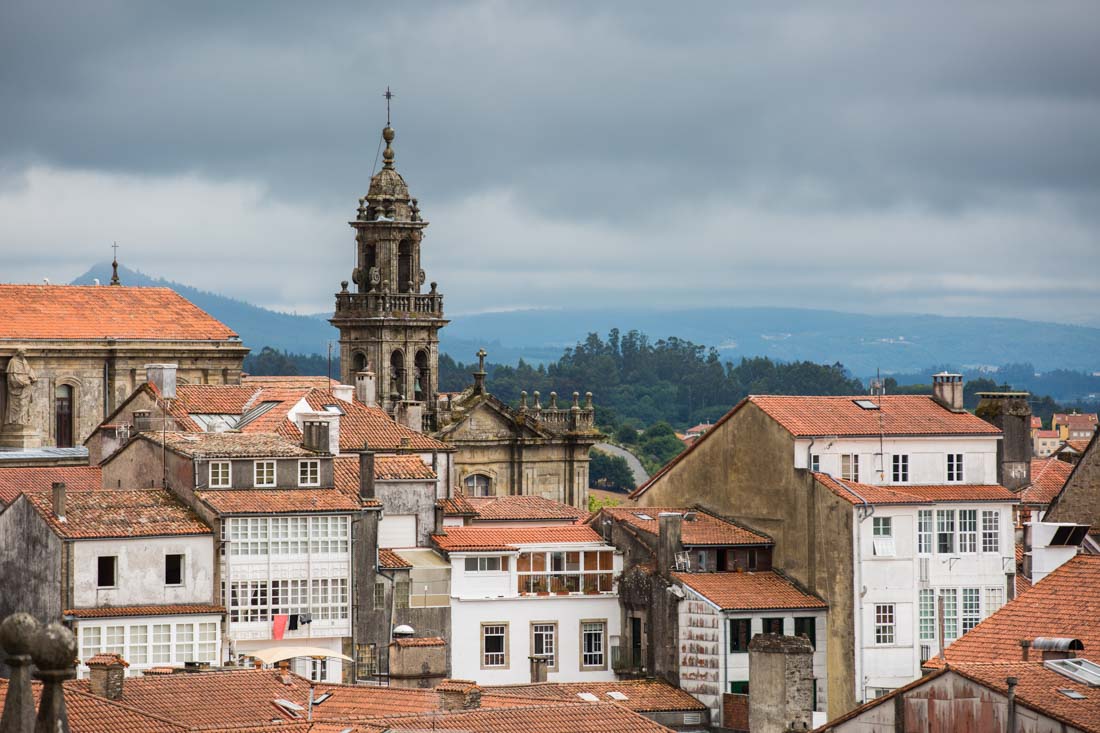
The Scoop: You start right on the border of Portugal and Spain. It’s slightly quieter than Sarria, the food is incredible, and you pass through the beautiful stone city of Pontevedra. A fantastic alternative for a 1-week trip.

The Camino Inglés (The Complete Package)
Route: Ferrol to Santiago.
Distance: 116 km (5 days).
The Scoop: Unlike the others, this allows you to walk a full route from start to finish in under a week. It’s quieter, greener, and feels more authentic than the busy final stages of the Francés.

Santiago to Finisterre (The Epilogue)
Route: The only one starting in Santiago.
Distance: ~90 km (3–4 days).
The Scoop: Many pilgrims don’t stop at the Cathedral; they keep walking to the coast—to Finisterre (“The End of the World”). It’s a beautiful way to decompress after the main journey and watch the sunset over the Atlantic.

3. The Jewels of the Way: Must-See Stops
It’s not just about the walking; it’s about where you stop. These are the landmarks that turn a hike into a memory.
The Pyrenees (Day 1)
Crossing the Route Napoleon from France into Spain is arguably the hardest day, but the views are unmatched. You are quite literally walking in the clouds. Note: In winter (Nov-March), this route is closed for safety; pilgrims must take the Valcarlos valley route.
We have some great articles about hiking in the Pyrenees like: Hiking in the Aragonese Pyrenees and the Experience Catalunya – Lleida and the Pyrenees
The Wine Fountain (Bodegas Irache)
Yes, it is real. Just outside Estella, the Bodegas Irache monastery has two taps in the wall: one for water, one for red wine. It’s free. It’s tradition. Just don’t fill your whole Camelbak!
Burgos Cathedral
You will see many churches, but Burgos is special. It is a UNESCO World Heritage site and a masterpiece of Gothic architecture. It is massive, intricate, and overwhelming. Take a rest day here just to explore it.

Cruz de Ferro (The Iron Cross)
The highest point of the Camino Francés. A simple iron cross atop a wooden pole, surrounded by a massive mound of stones.
The tradition is to bring a small stone from your home (representing a burden or a prayer) and leave it at the foot of the cross. It is an incredibly emotional spot for many pilgrims.
O Cebreiro
Entering Galicia, you climb up to this mystical, often fog-shrouded village. It is famous for its Pallozas—ancient, round stone huts with thatched roofs that date back to Celtic times. It feels like stepping into a fantasy novel.
4. When to Go: The Seasonality Debate
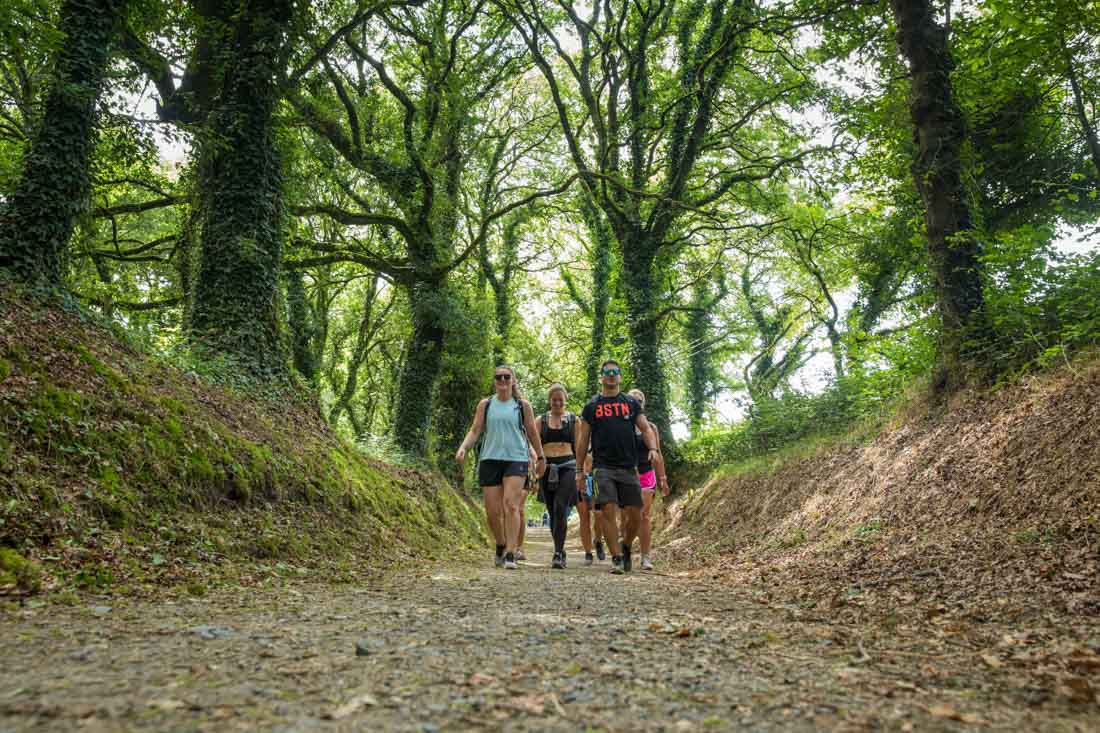
Timing is everything. The weather in Northern Spain can be your best friend or your worst enemy. For accurate forecasting during your trip, the Spanish meteorological agency is the most reliable source.
Summer (July/August):
- The Good: Guaranteed sun, lively festivals.
- The Bad: Heat. The Meseta can hit 40°C (104°F). It is also incredibly crowded; you might face the “bed race” where you have to rush to the next town to secure a bunk.
Shoulder Season (May/June & September/October):
- The Sweet Spot: This is widely considered the best time. The weather is “Goldilocks”—not too hot, not too cold. The crowds are manageable, and the scenery is stunning (wildflowers in spring, harvest in autumn).
Holy Year Note: The next Holy Year (Xacobeo) is 2027. This means 2026 is a great year to go if you want to beat the massive influx of pilgrims that will arrive the following year.
5. The Economics: What Does It Cost in 2026?
Inflation has hit everywhere, and the days of the €10/day Camino are gone. However, it is still one of the most affordable adventures in Europe.
Here is a realistic daily budget breakdown:
|
Travel Style |
Daily Cost |
Accommodation Type |
Food |
|---|---|---|---|
|
Shoestring |
€30–40 |
Municipal Albergues (€10-12) |
Cooking pasta in hostels, supermarket snacks. |
|
Comfortable |
€50–70 |
Private Albergues (€15-20) |
“Pilgrim Menus” (3 courses + wine) at restaurants. |
|
Luxury |
€100+ |
Private Rooms/Hotels (€50+) |
Nice dinners, luggage transfer service. |
Pro Tip: Always carry some cash. While cities have ATMs, small village bars where you stop for that life-saving café con leche often don’t take cards.
Getting There: To reach your starting point, most pilgrims use Spain’s excellent public transport network. You can check train schedules on Renfe or book buses via Alsa, which services many of the smaller Camino towns.
6. Gastronomy: Fuel for the Soul
You will burn 3,000+ calories a day. Eating is not just necessary; it’s a cultural event.
Menu del Peregrino: Most restaurants offer this 3-course meal for €12-15. It usually includes pasta/soup, meat/fish, dessert, and a bottle of wine. It’s hearty, cheap, and social.
Pulpo a la Gallega: When you hit Melide (Galicia), you must eat octopus. Boiled, sliced, and drenched in olive oil and paprika. It sounds strange, but it melts in your mouth.
Pimientos de Padrón: Small green peppers fried in salt. The saying goes, “Unos pican y otros no” (some are hot, some are not). It’s Russian Roulette with vegetables.
Tarta de Santiago: An almond cake marked with the cross of St. James. It’s gluten-free (usually) and the perfect sugar hit.

7. Gear Guide: The Science of Packing Light
Your backpack is your house, your wardrobe, and your medicine cabinet. The Golden Rule? Do not carry more than 10% of your body weight (excluding water).9
The Big Three
Footwear: The days of heavy leather boots are fading. Most pilgrims now prefer Trail Runners. They breathe better, dry faster, and are lighter on your feet. Buy them a half-size bigger—your feet will swell.
The Pack: Aim for 33–40 Liters. You need an internal frame that transfers weight to your hips, not your shoulders. If your shoulders hurt, your pack fits wrong.
Socks: This is where the magic happens. Merino Wool is non-negotiable (brands like Smartwool). Cotton is the enemy—it holds moisture and causes blisters. Many pilgrims swear by “Double Layer” socks (like Wrightsock) or “Toe Socks” (Injinji) to eliminate skin-on-skin friction.
The “Must-Haves”
Sleep Sack/Liner: Most albergues provide a mattress and pillow, but no sheets. A silk or lightweight synthetic liner is essential for hygiene (and bedbug protection).
Poncho vs. Jacket: In Galicia, rain is inevitable. A loose poncho that covers both you and your backpack is often better than a sweaty Gore-Tex jacket.
Vaseline/Compeed: Apply lubricant to your feet before you walk to prevent friction. If a hot spot appears, slap a Compeed patch on it immediately. Do not wait!.

8. The Digital Pilgrim: Tech & Apps
Even on a pilgrimage, your phone is a vital tool.
- Apps:
- Camino Ninja: Good news for 2026—the app is back and being maintained by the community! It’s free and great for checking distances and accommodation.
- Wise Pilgrim: The paid alternative (approx €5) that offers excellent maps and offline capabilities.
- AlertCops: An official safety app for Spain allowing you to share your location with police.
- Connectivity:
- Wi-Fi is common, but for the trail, get a local SIM (Vodafone has great coverage) or an eSIM like Yoho Mobile if your phone is unlocked.
9. Training: Don’t Just Wing It
Can you walk the Camino off the couch? Maybe. Should you? No. Tendonitis (shin splints) is the number one reason people quit.
Here is a 12-week plan to get you trail-ready:
- Weeks 1-4 (Base): Walk 3-4 times a week. 5km distances. Wear your Camino shoes to break them in.
- Weeks 5-8 (Build): Increase to 10-15km. Crucial: Start carrying your backpack with about 50% of your target weight.
- Weeks 9-11 (Peak): Do “back-to-back” long walks (e.g., 15km on Saturday AND Sunday). This trains your body to recover overnight. Full pack weight.
- Week 12 (Taper): Rest. Let your body heal before the flight.
10. FAQ: The Things Everyone Asks
Final Thoughts
The Camino is more than a hike; it is a space where the world slows down to the speed of your footsteps. Whether you walk 100km or 800km, the “Way” stays with you long after you unlace your boots.
Buen Camino!


