If there’s one thing that can ruin a brilliant day out on the trails, it’s that awkward tension when someone—whether it’s a walker, a cyclist, or a landowner—forgets the basic unwritten (and written) rules of the outdoors.
The official UK Countryside Code boils down to three simple words: Respect, Protect, Enjoy.
But what does that actually mean when you are staring down a herd of curious cows, or trying to figure out who has the right of way on a narrow farm track?
Here is a practical, no-nonsense guide to the Countryside Code, designed to keep you safe, keep the farmers happy, and protect the landscapes we all love.

Navigating Public Footpaths and Right of Way
One of the most common points of confusion out on the trail is knowing exactly where you are allowed to walk.
Stick to the path:
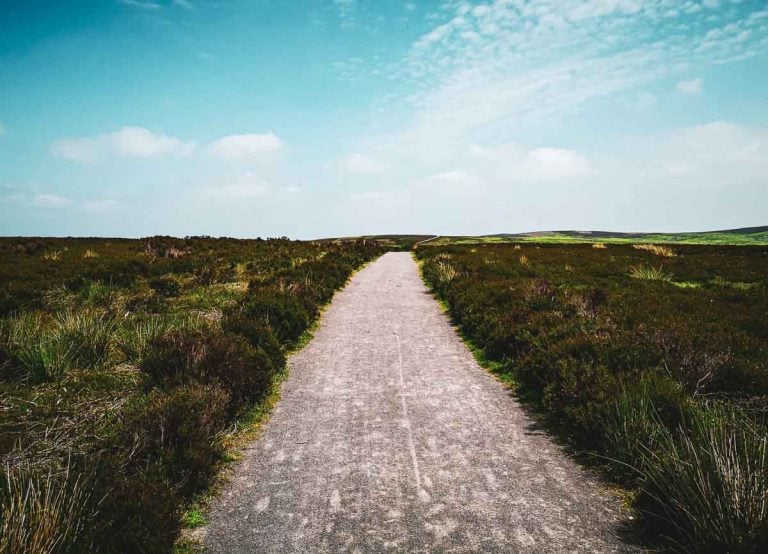
In England and Wales, a public right of way is a legal right to pass through someone’s land. However, this right is strictly confined to the path itself. Wandering off into the adjacent field to get a better photo technically constitutes trespassing.

Who has the right of way?
On shared paths (like bridleways), the general hierarchy is that cyclists give way to walkers and horse riders, and walkers give way to horse riders. A friendly “hello” and stepping to the side goes a long way.
Can farmers block footpaths?
No. Landowners are legally required to keep public rights of way clear of obstructions, including overhanging crops or locked gates. However, walkers are equally responsible for not damaging crops or fences.
Decoding the Signs: Yellow, Blue, and Red Arrows Explained
If you spend enough time looking at Ordnance Survey maps or staring at wooden fingerposts in the middle of nowhere, you’ll quickly notice that not all public rights of way are created equal.
In England and Wales, the coloured arrows nailed to stiles and gates are a strict legal color-coding system.
Knowing exactly what each one means prevents you from accidentally trespassing—or worse, getting run over by a mountain bike on a blind corner.
Here is your quick reference guide to the UK’s path network:
🟨 The Yellow Arrow: Public Footpath
This is the most common sign you will see. A yellow arrow means the path is open to pedestrians only (which includes mobility scooters and prams, terrain permitting).
- The Rule: You have a legal right to walk here, and you can absolutely bring your dog. However, you cannot cycle or ride a horse on a public footpath.
🟦 The Blue Arrow: Public Bridleway
A blue arrow indicates a bridleway, which means the path is shared. It is legally open to walkers, horse riders, and cyclists.
- The Rule: Cyclists must give way to both walkers and horse riders. If you are walking (especially with dogs), keep an ear out for bikes coming up behind you, and always give horses plenty of space so they don’t get spooked.
🟪 The Plum Arrow: Restricted Byway
Less common, the plum-colored (or sometimes dark purple) arrow marks a restricted byway. These are open to walkers, cyclists, horse riders, and horse-drawn vehicles.
- The Rule: Absolutely no motorised vehicles are allowed.
🟥 The Red Arrow: Byway Open to All Traffic (BOAT)
A red arrow means exactly what it says on the tin. These ancient tracks are open to everyone, including 4x4s, trail motorbikes, and tractors.
- The Rule: While walkers have a right to use them, you need to stay highly alert, keep dogs on a short lead, and be prepared to step onto the verge to let traffic pass.
🌰 The Acorn: National Trails
If you spot an acorn symbol, you are walking on a designated National Trail.
Whether you’re navigating the borders along the Wales Coast Path (which, despite the name, actually weaves beautifully back and forth between Wales and England) or tackling a historic route, the acorn means you are on a premium, well-maintained long-distance trail.
- Note on Towpaths: If you’re walking canal routes—like the gorgeous stretches along the Kennet & Avon—the towpaths are usually managed by the Canal & River Trust. They function as shared paths, so expect a heavy mix of walkers, anglers, and cyclists, and always practice good trail etiquette!
The Scottish Exception: The Right to Roam
If you are reading this and planning a trip up to the Highlands or the Cairngorms, you can throw most of those colored arrows out the window.
Under the Land Reform (Scotland) Act 2003, Scotland operates under a “Right to Roam.”
This grants the public the right to access almost all land and inland water for recreational purposes, provided they do so responsibly.
You don’t have to stick rigidly to a designated footpath, but the core principles of the Countryside Code—respecting the land, leaving no trace, and not interfering with farming operations—still completely apply.
The Reality of Hiking with Dogs: Rules, Livestock, and Stiles
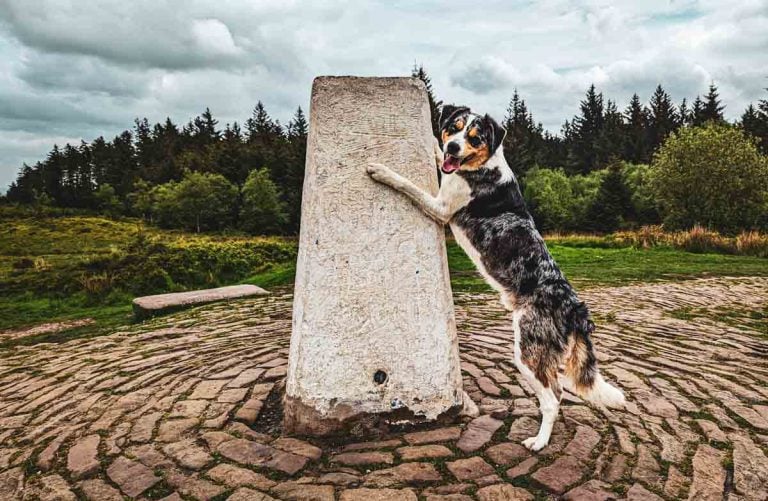
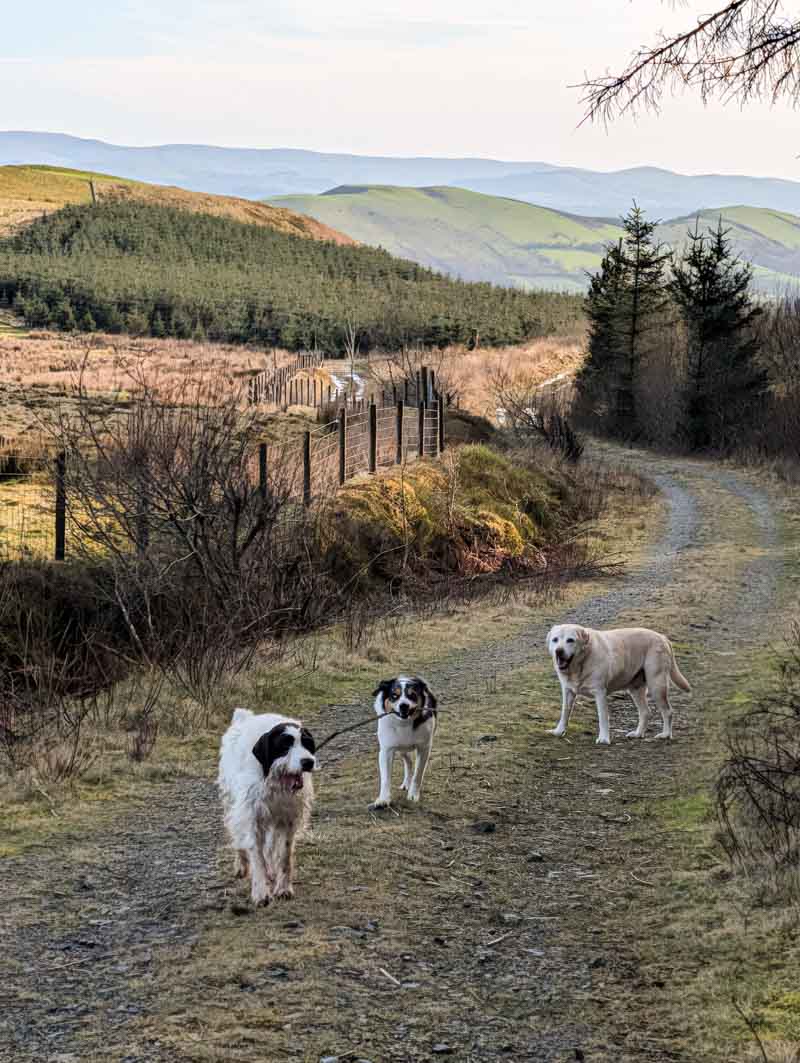
I spend half my life out on the trails with my team—Malc (the Border Collie), Pete (the German Wirehaired Pointer). They are the ultimate hiking companions, but bringing dogs into the UK countryside means you are entering a working environment.
It comes with a massive set of responsibilities.
What “Close Control” Actually Means
The Countryside Code states dogs must be kept under “effective control” or “close control.” But what does that legally mean?
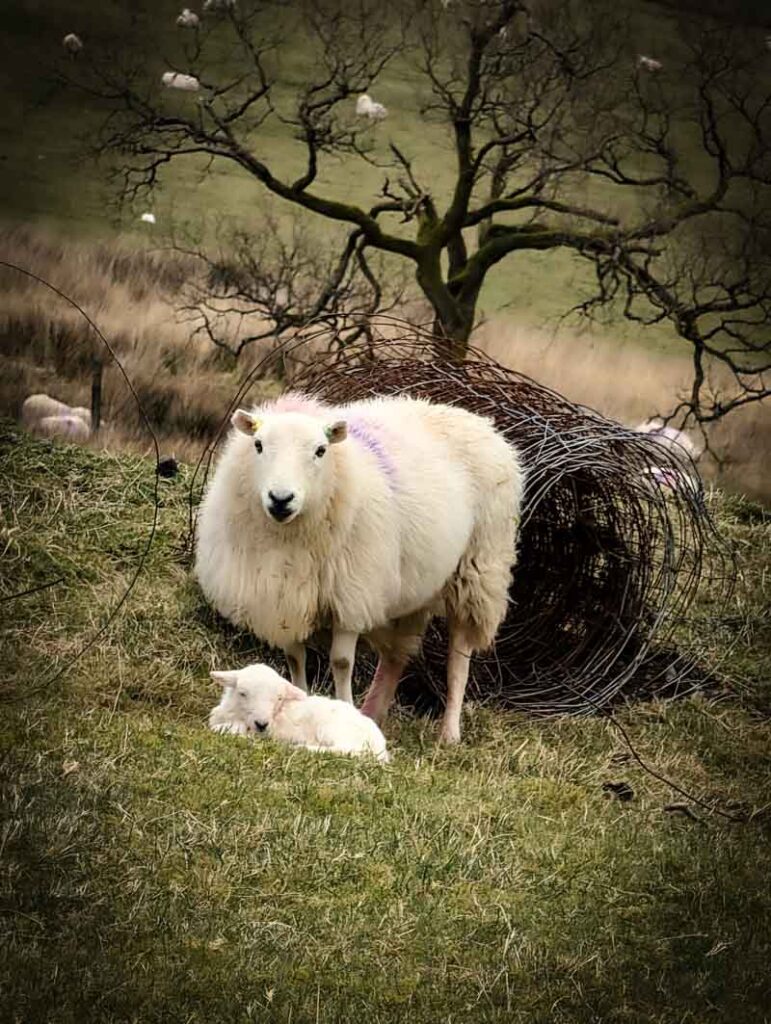
If you are around sheep or other livestock: It means keeping your dog on a short lead. Period. Even the friendliest, most obedient dog can trigger a flock of sheep to bolt. “Livestock worrying” doesn’t just mean biting; the sheer stress of being chased can cause pregnant ewes to miscarry.
If you are away from livestock: Your dog can be off the lead, but only if they have a 100% reliable recall. If your dog is likely to bolt after a rabbit or run up to greet a nervous hiker, they need to stay on the lead.

The Cow Field Conundrum (And When to Drop the Lead)
Navigating a public footpath that cuts straight through a field of cows is one of the most common anxieties for UK walkers.
Cows are naturally inquisitive, but if they have calves with them, they can become fiercely protective. They also tend to view dogs as predators.
The golden rule here is the exact opposite of the rule for sheep: If you are walking your dog on a lead and a herd of cattle charges or acts aggressively, let the lead go immediately.
Do not try to pick your dog up or protect them. The cows are reacting to the dog, not you. Your dog is much faster than the cows and will easily get to safety, allowing you to walk calmly out of the field.
Dig Deeper: Because this is such a critical safety topic, I’ve put together a full, dedicated guide on exactly how to safely navigate cow fields with dogs. If you regularly hike with your dog, make sure you give that a read before your next walk.
The “Bagged and Left” Mystery
We’ve all seen it: the mysterious plastic bags of dog waste left dangling like terrible Christmas ornaments on tree branches or dumped by gates.
The Countryside Code is crystal clear: bag it and bin it. But the unspoken reality of rural hiking is that you might walk ten miles without seeing a single public bin. If there is no bin, you are legally and morally required to carry it home.
- Pro Tip: Always carry a dedicated “smell-proof” dry bag or a hard-sided plastic container in your rucksack. You can pop the sealed poo bags in there and carry them for hours without ruining your hiking snacks!
Navigating Stiles
Finally, remember that the countryside wasn’t built exclusively for dogs. While many modern gates have dog-friendly latches or lift-up dog gates next to stiles, plenty of traditional wooden and stone stiles do not.
If you are walking a larger breed (lifting Pete is a serious workout), make sure you are physically prepared to hoist a muddy dog over a fence if there is no alternative route.

Driving and Parking: The Unwritten Rules of Rural Roads
Getting to the start of a trail often involves navigating single-track lanes, blind corners, and tiny village centres.
For the people who live and work in the countryside, poorly parked cars are more than just a nuisance—they can bring a farm’s entire operation to a standstill.
Never Block a Field Gate
It is incredibly tempting to see a recessed farm gate with a bit of gravel in front of it and think, “Perfect, free parking.”
Please, don’t do it. The countryside is a 24/7 working environment. That gate might look completely abandoned, but it could be the exact entrance a farmer needs to drive a massive, 14-foot-wide combine harvester through at 6:00 AM.
Always park in designated car parks, lay-bys, or areas where you are certain you aren’t restricting access for wide agricultural vehicles or emergency services.
Understanding Passing Places
If you spend time driving around places like the Lake District or the Peak District, you will be intimately familiar with single-track roads. The widened sections of tarmac on these lanes are called passing places.
The Rule: Passing places are strictly to allow oncoming traffic to pass. They are never to be used for parking, even “just for ten minutes” to check a map or take a photo.
Etiquette: If the passing place is on your left, pull into it. If it is on your right, stop opposite it so the oncoming car can pull in. And always give a quick wave of thanks!
Respecting the Workspace: Walls, Fences, and Ruins
When you’re out exploring, it’s easy to view the landscape as a giant playground. But those dry stone walls, wooden fences, and hedges are essential infrastructure.
Don’t climb walls or fences: Always use the designated stiles or gates. Dry stone walls can take days to repair if a top stone is knocked loose by a climber.
Leave historical sites as you find them: Whether you are exploring a ruined abbey or a fascinating old country pub with an ancient sign, look but don’t touch.
Taking a “souvenir” stone from a historical site or moving rocks to build a cairn accelerates erosion and damages the heritage of the area.
Leave No Trace: Gates, Litter, and Fires
The physical impact of millions of boots (and paws) on the UK countryside is massive. Leaving no trace ensures the landscape remains wild for the next person.
Leave gates as you find them: This is the golden rule. If a gate is closed, close it behind you. If it has been deliberately tied open, leave it open. Farmers set gates specifically to manage the movement of their livestock.
Take all litter home: This includes organic waste like banana skins and apple cores, which can take months to decompose and can be toxic to local wildlife.
Wild camping and fires: In most of England and Wales, wild camping and open fires are strictly prohibited without the landowner’s explicit permission. Stick to portable camping stoves to minimize the risk of devastating wildfires.
The Bottom Line: Respect, Protect, Enjoy
The UK Countryside Code isn’t designed to be a massive list of restrictions to ruin your weekend. It is simply a framework of mutual respect.
If we keep our dogs under control, pack our litter out, and treat the farmers’ fields with the same respect we’d want for our own gardens, the countryside remains open, beautiful, and accessible for everyone.
So lace up your boots, plan your route, and enjoy the incredible landscapes right on our doorstep.