

The grand finale of the Tyne to Tees journey is an 8-mile trek of incredible structural and visual transitions.
Starting on the ancient, wave-battered defensive stones of the historic Hartlepool Headland, the trail brings you through the bustling modern energy of a world-class marina before smoothing out into miles of high sea walls, shifting coastal dunes, and sandbanks.
Your 44-mile journey finishes at North Gare, right where the raw power of Teesside industry meets the vast, untamed expanse of the North Sea.
🗺️ Part of the Tyne to Tees Master Series
This article is Stage 5 of a 5-part definitive guide to walking the entire Tyne to Tees coast.
- Previous Step: Stage 4: Easington Colliery to Crimdon Guide
- View the Full Route: The Tyne to Tees Coastal Path Master Guide
⏱️ Essential Trail Logistics & Planning
Distance:
8 miles (12.8 km) | Linear route.
Time:
3.5 – 4 hours at an easy, investigative pace.
Terrain:
Flat paved promenades, tarmac harbor paths, massive concrete sea walls, and soft, shifting sand dunes.
Public Transport:
Excellent. Regular trains from Hartlepool Station connect you back up to Seaham, Sunderland, and Newcastle. Local buses serve Seaton Carew.
Dog Friendliness:
Brilliant beach stretches, but active lead management is needed around busy marina fronts and bird sanctuary borders.
🥾 The Route Breakdown: Step-by-Step Milestones
The Headland Loop to Hartlepool Marina
Miles 0 – 3.5
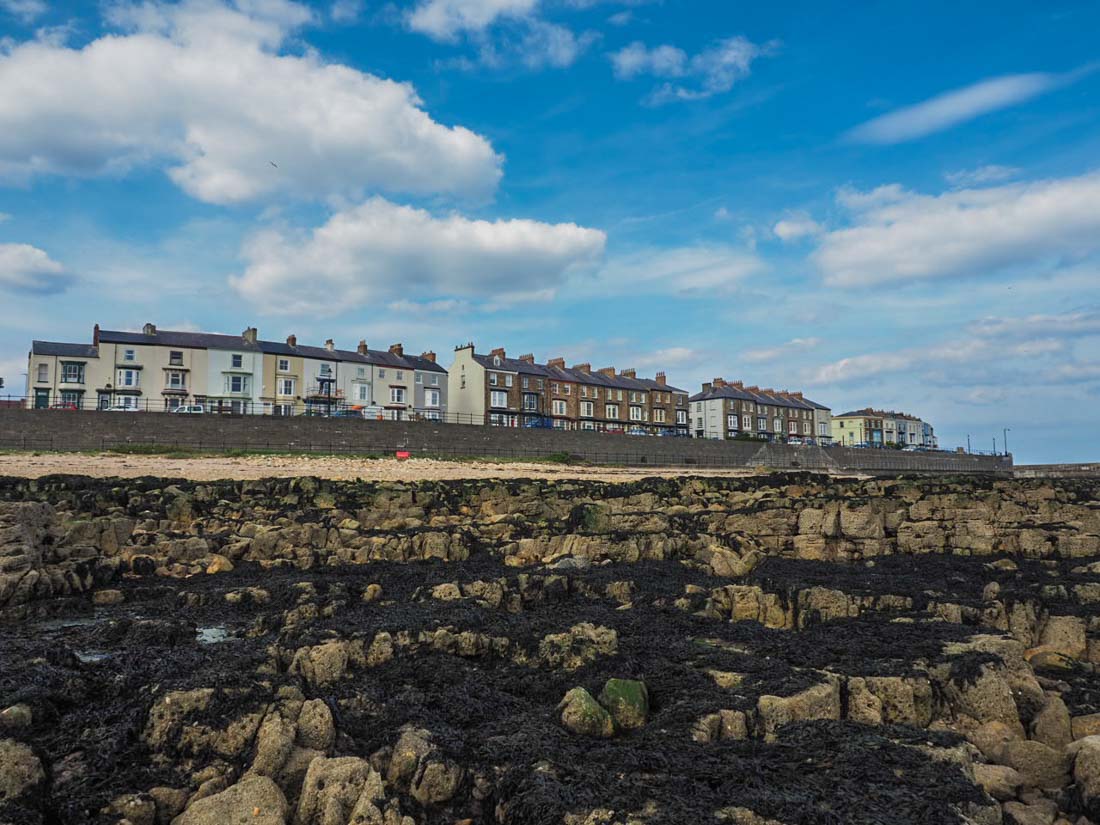
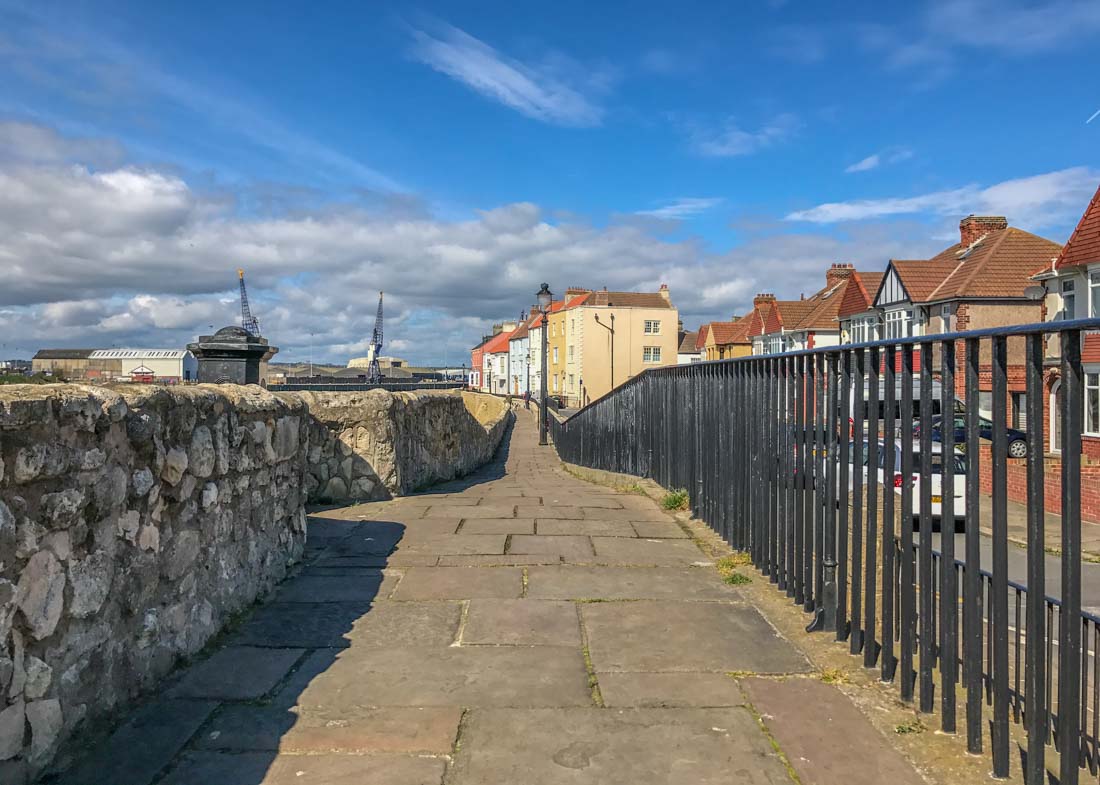
Begin at the ancient sea wall on the tip of the Hartlepool Headland.
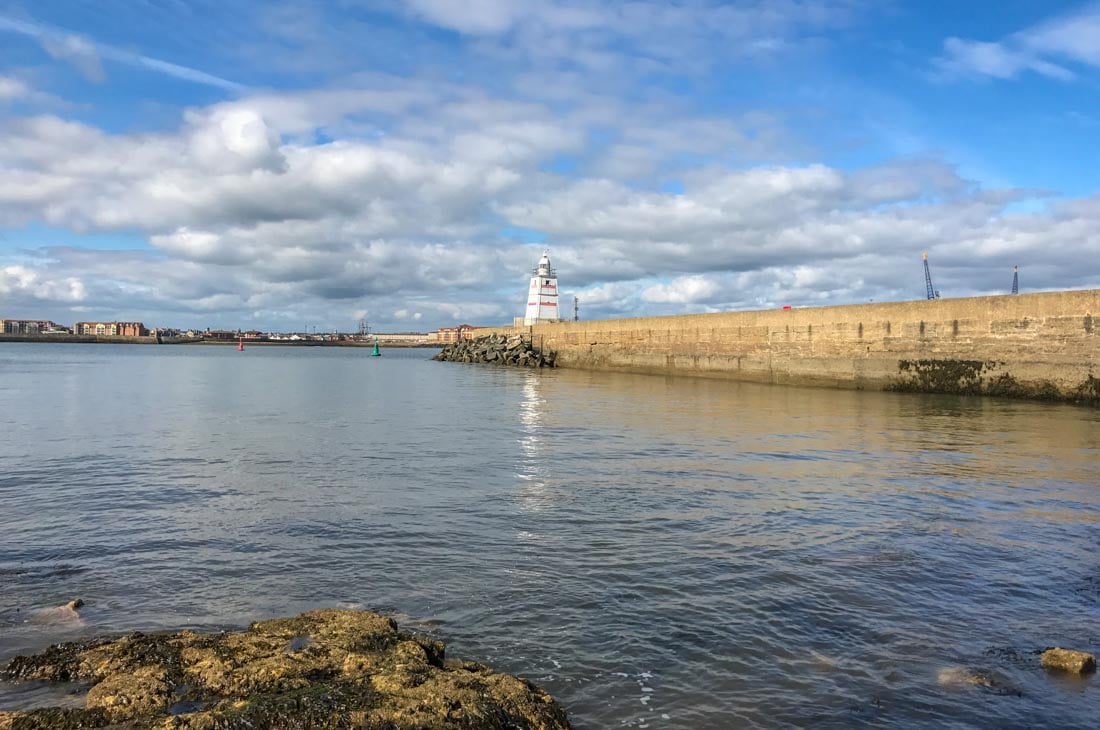
Wind your way past the historic Heugh Battery and the town’s prominent white lighthouse.
Follow the coastal path as it drops down from the headland, tracking smoothly past the old docks and guiding you straight onto the paved promenades of the bustling Hartlepool Marina.
The Sea Walls to Seaton Carew
Miles 3.5 – 6
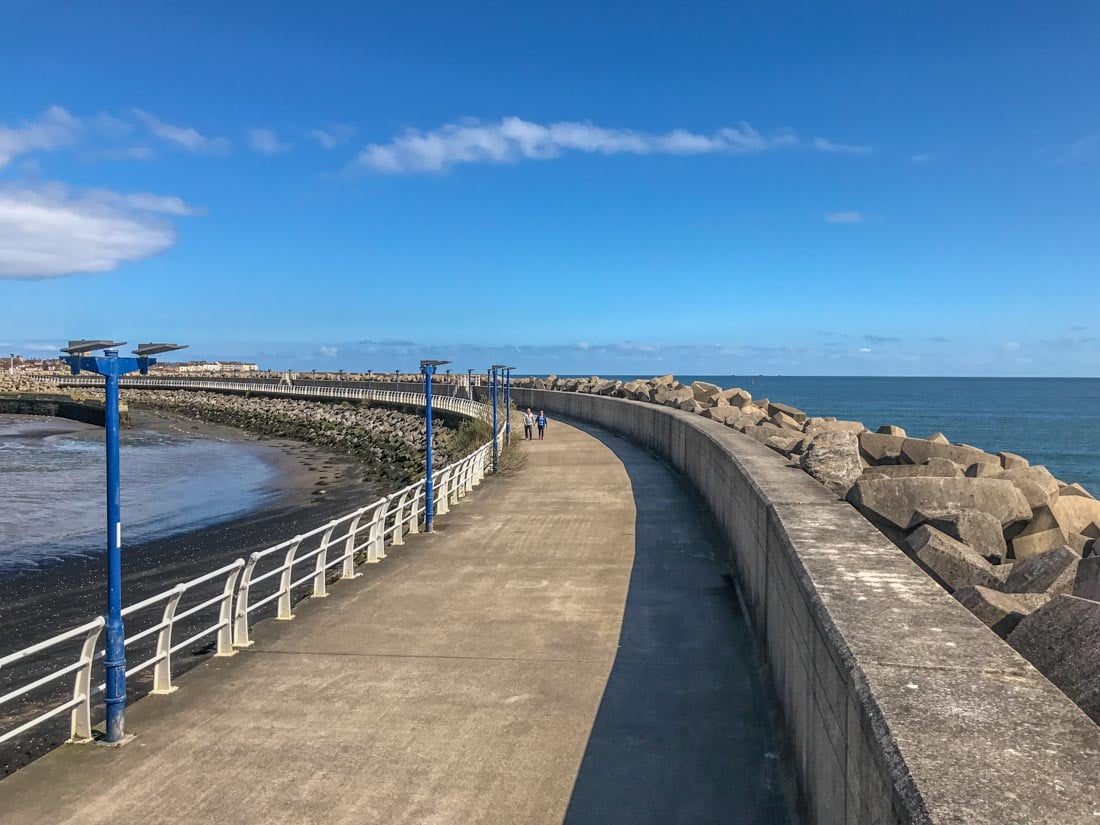
Leave the marina basin behind and step out onto the long, straight concrete sea walls heading south.
This flat, elevated track offers completely unobstructed views across the open sea.
The wall brings you directly alongside the wide sandy beach of Seaton Carew, a classic seaside stretch vibrant with traditional coastal energy.
Seaton Dunes to the Mouth of the Tees
Miles 6 – 8.0
As you clear the main front of Seaton Carew, the paved promenade gives way to the wilder, rolling topography of the Seaton Dunes.
Follow the sandy trails through the nature reserve down onto the beach at North Gare.
Walk the final stretch across the sands until the beach terminates directly at the mouth of the River Tees, marking the official completion of the Tyne to Tees Coastal Path.
🏛️ Deep Dives & Local Lore: Battling Battlecruisers & Comic Icons
The Heugh Battery: Defending the Home Front
As you explore the rugged cliffs of the Hartlepool Headland at the start of your walk, you are walking directly across one of the most significant military sites in British history.
Built in 1860 to protect the thriving local shipyards, the Heugh Battery earned legendary status on December 16, 1914.
On a misty winter morning, three heavily armored warships of the Imperial German Navy emerged from the horizon and launched a massive, surprise bombardment on the town.
While other coastal towns had no defenses to fight back with, the local volunteer gunners of the Durham Royal Garrison Artillery stood their ground. Engaging in a direct, ferocious ship-to-shore duel, they scored multiple direct hits on the German battlecruisers, forcing them to break off the attack and retreat.
Today, the beautifully preserved site stands as the only official World War I battlefield on British soil.
If you want to explore the underground magazines, see the artillery pieces up close, and uncover the incredible human stories of the gunners who stood their ground, take a look at my comprehensive guide to visiting the Heugh Battery Museum to plan your stop.
The Comic Legacy of Andy Capp
If you keep a close eye out as you navigate the quiet lanes of the headland, you will stumble across a bronze statue of a man in a flat cap leaning casually over a bar counter.
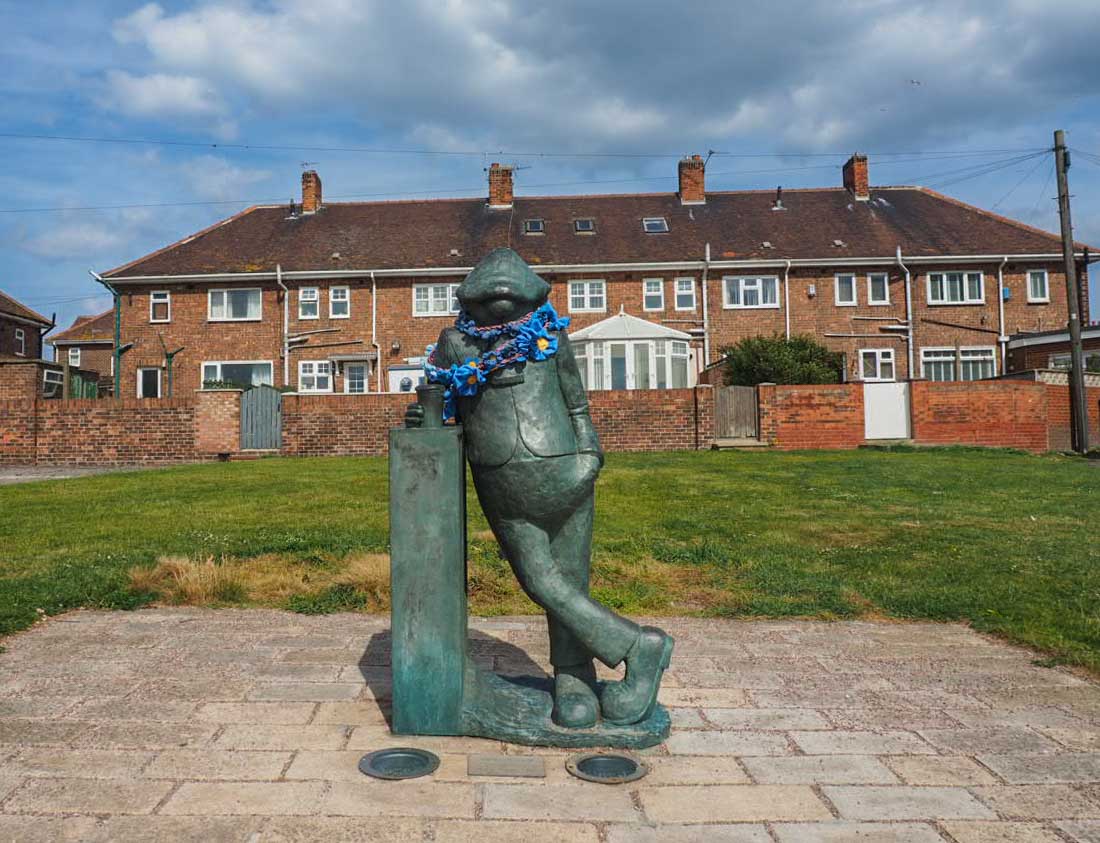
This is Andy Capp, the world-famous, working-class comic strip character created by cartoonist Reg Smythe in 1957.
Smythe was born and bred right here in Hartlepool, and he drew endless inspiration from the local characters, pubs, and harbour-side grit of his hometown.
🍽️ The Hospitality Stop: Where to Refuel
This final stage offers an incredible contrast in food stops, taking you from ultra-modern waterfront dining to traditional seaside treats.
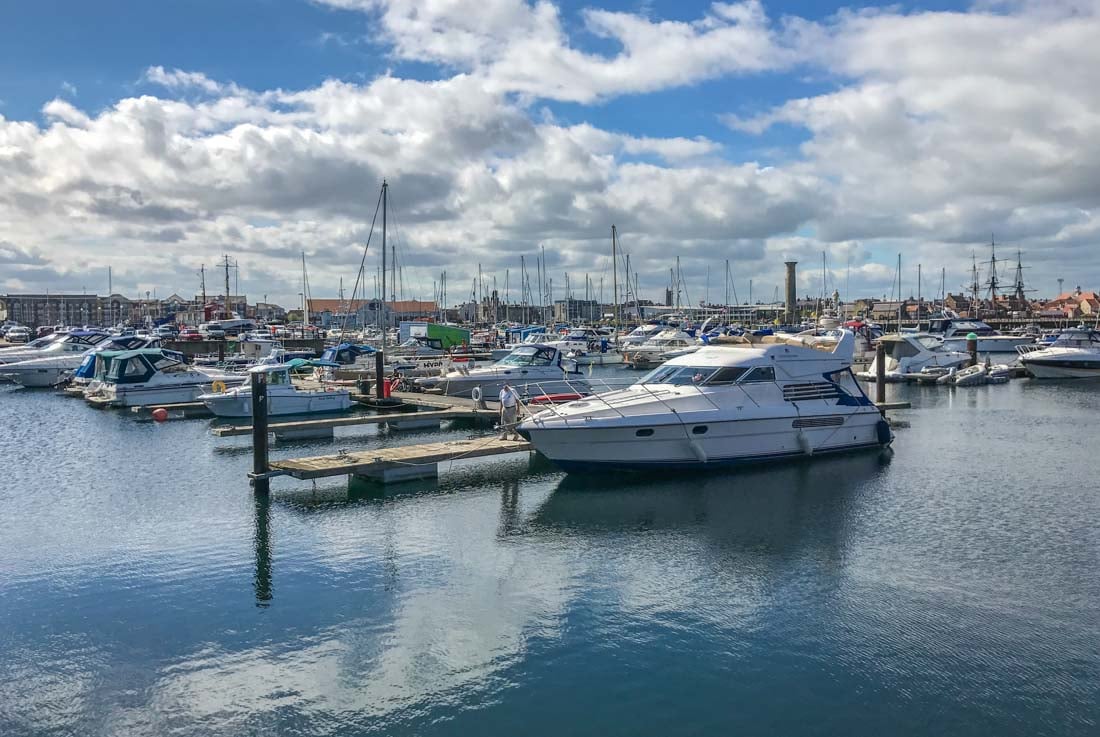
The Cosmopolitan Hub: Hartlepool Marina. Around Mile 2, the marina is packed with independent bistros, trendy craft ale bars, and artisan coffee houses.
It is the perfect spot to sit outside in the sun, watch the yachts navigate the locks, and grab a flat white.
The Seaside Classic: Seaton Carew Beach Front. Further down the path, the promenade at Seaton Carew offers traditional fish and chip shops, family-run ice cream parlors, and welcoming cafes ideal for a mid-walk break.
🐾 The Four-Legged Team Dispatch
Malc & Pete’s Trail Notes
Malc and Pete rank this stage highly for its easy underfoot conditions, but it requires a bit of adaptation from your pack.
The long concrete sea walls are flat and completely traffic-free, making them incredibly easy on the joints, but there is zero shade here on hot summer days.

Dunes and Wildlife Safety: Once you reach the Seaton Dunes and North Gare, your dogs must be kept under close control. This vast, sandy marshland is a protected sanctuary teeming with wading birds and seasonal migrants.
Because the dunes are highly sensitive nesting grounds, keep your dogs on a short lead to avoid disturbing the wildlife.
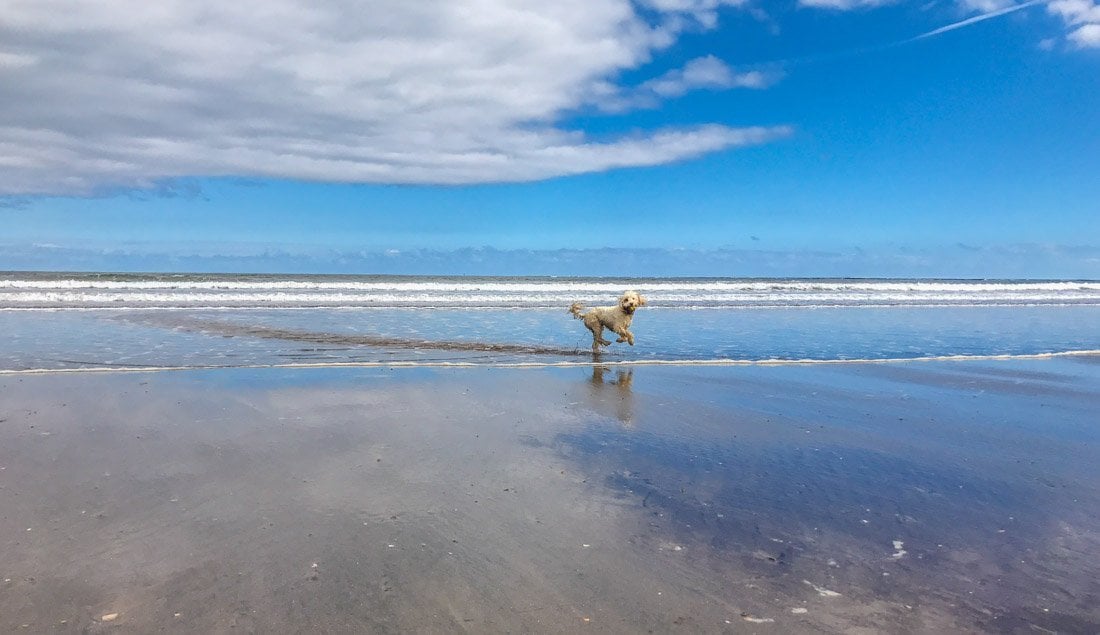
Once you hit the wide sandbars at the mouth of the Tees, your pack can enjoy a final, glorious sprint on the sand to celebrate completing the full 44-mile journey!
Congratulations—You’ve Cleared the Tyne to Tees!
From the industrial mouth of the Tyne, across the soaring limestone cliffs of Marsden, through the sea-glass shores of Seaham, and past the historic fells of the Durham Heritage Coast, you have successfully walked the entire Tyne to Tees path.
It is a spectacular, deeply historical landscape that perfectly proves how beautifully nature can reclaim and transform industrial ground.


