Driving out of Sheffield along the winding A57, the city melts away surprisingly fast. The concrete gives way to the rolling greens of South Yorkshire, and if you don’t know where to look, you might drive right past one of the area’s best-kept secrets.
Tucked away on the edge of the Hallam Moors are the Redmires Reservoirs.
We have visited this spot many times—sometimes for a quick breath of fresh air, sometimes for a serious hike—and it never fails to deliver.
But look deeper than the shimmering water and the reflection of the clouds, and you’ll find a landscape etched with fascinating, and sometimes dark, history.

From a deadly Victorian epidemic to a secret prisoner-of-war camp housing a future Nazi leader, Redmires is far more than just a pretty place to walk the dog.
Here is why this trio of reservoirs is a true “beauty abound” destination, any time of year.
A Landscape Born from Tragedy
It is easy to stand by the water’s edge today, watching the ducks bob peacefully, and forget that these reservoirs were born out of desperate necessity.
In 1832, Sheffield was struck by a terrifying cholera outbreak that claimed over 400 lives. The rapid industrialization of the “Steel City” had outpaced its infrastructure, and clean water was scarce.
In response, the Sheffield Waterworks Company began a massive engineering project in 1833 to capture the clean streams flowing from the Hallam Moors.
By 1854, the three reservoirs—Upper, Middle, and Lower—were complete. They didn’t just provide views; they provided life.
As you walk the banks, you can still spot the intakes and the old water courses (conduits) that channeled this “blue gold” down to the thirsty city below.

The Hidden History: Camp 17 and the Sheffield Pals
If you explore the woodlands nearby (specifically the plantation near the upper conduit), you are walking on the ghosts of the 20th century.
During World War I, this bleak, high ground was used to train the Sheffield City Battalion (the “Sheffield Pals”). These young men learned to dig trenches here before being sent to the tragic front lines of the Somme.
You can still find outlines of their practice trenches in the landscape today—a poignant reminder of the sacrifice made by local lads.
But the history gets even stranger. In World War II, this site became Redmires Camp, later known as Lodge Moor Camp (Camp 17). It grew to be the largest Prisoner of War camp in Britain, holding over 11,000 men.
Its most famous inmate? Admiral Karl Dönitz. The commander of the German U-boat fleet in WW2 (and the man who briefly succeeded Hitler as Head of State) was held right here in Sheffield for six weeks in 1918 after his submarine was captured during WW1.
Today, nature is reclaiming the camp. The wooden huts are gone, but if you look closely among the trees and brambles, you can still see the concrete bases of the barracks and toilet blocks. It is a haunting, fascinating place to wander through.

The Walks: From Gentle Strolls to Moorland Hikes
Redmires is perfect because it caters to every energy level. Whether you want a flat pushchair-friendly stroll or a muddy romp up to the edges of the Peak District, it starts here.
1. The Reservoir Loop (Easy)
The walk around the three reservoirs is flat and accessible. The sheer openness of the sky here is a treat for the soul. On a still day, the water acts as a perfect mirror for the mood of the sky—brooding grey in winter, brilliant azure in summer.
- Distance: Approx. 2.5 miles (circular)
- Terrain: Good paths, mostly flat.
2. The Stanage Pole Extension (Moderate)
This is my personal favorite. From the Upper Reservoir, you can pick up the Long Causeway. This ancient track—thought by some to be Roman and others to be a medieval packhorse salt road—leads you straight up onto the moors.
Your target is Stanage Pole, an ancient boundary marker on the horizon. The climb rewards you with sweeping views back over Sheffield one way, and out toward the majestic Stanage Edge and the Hope Valley the other. It’s the perfect spot for a flask of coffee and a moment of silence.

Nature Watch: Eyes to the Skies
You don’t need to be a serious twitcher to appreciate the wildlife here. The transition from water to woodland to moorland creates a unique habitat.
Birdlife: In spring and summer, the eerie, bubbling call of the Curlew is the soundtrack of the moors. Keep an eye out for Golden Plover and Lapwings in the fields. On the water, you’ll spot Grebes, Canada Geese, and Tufted Ducks.
The Moors: In late summer (August/September), the surrounding hills turn a vivid purple as the heather blooms. It is a photographer’s dream.
Practical Tips for Your Visit
Getting There: The reservoirs are located at the very end of Redmires Road, just past the suburb of Lodge Moor.
Parking: There is a dedicated car park near the Upper Reservoir (S10 4QZ). It’s free but can get busy on sunny Sundays. There is also layby parking along the road—just be sure not to block the narrow passing places.
Food & Drink: There are no cafes at the reservoir side (which keeps it peaceful!), but the Three Merry Lads pub is just a mile back down the road. It’s a classic hiker-friendly spot with an open fire and hearty food.
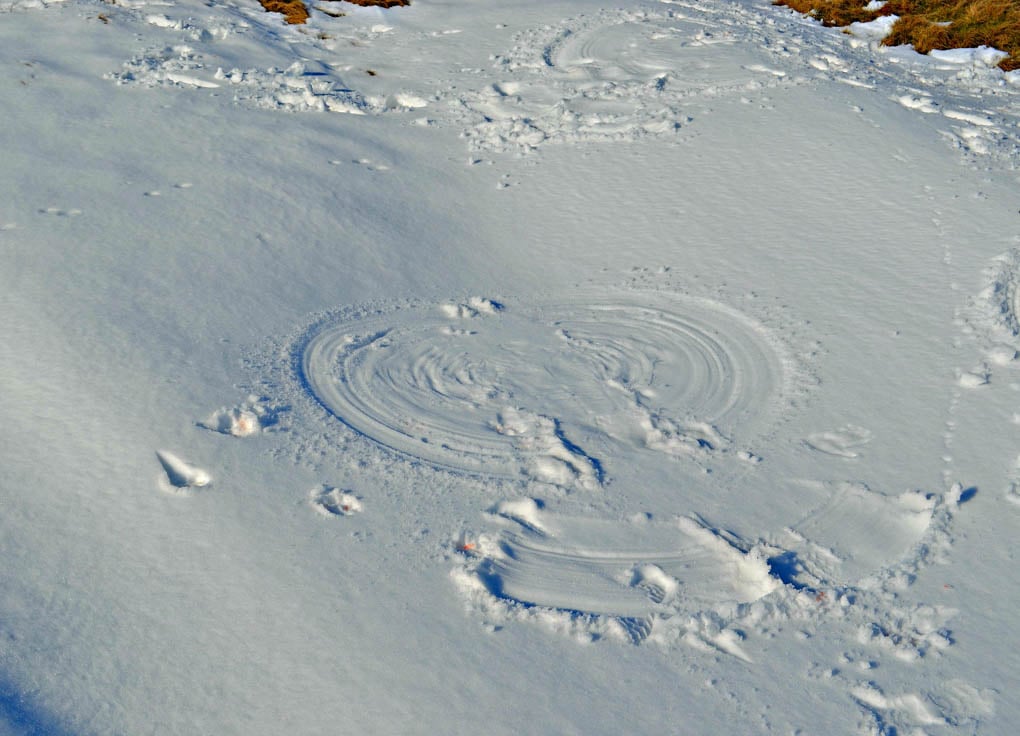
When to Go: * Winter: For the “bleak and beautiful” vibe. We once visited when the snow was deep enough for sledging (or sliding on our bellies like penguins, as we had no sledge!). The frozen water is magical.

Summer: For sunsets. Because you are high up and facing West towards the Peak District, the “golden hour” here is spectacular.
Check the official Yorkshire Water Redmires page for the latest safety updates.
Why We Keep Coming Back
Redmires Reservoirs sits on that perfect threshold between the City and the Wild. You can leave the noise of traffic behind and, within minutes, be standing on an ancient track with nothing but wind, water, and history for company.
It is a place to play, a place to hike, and a place to remember. If you haven’t been yet, pack your boots and go see it with your own eyes.

Key Locations:
- Start Point: Redmires Top Reservoir Car Park
- Postcode: S10 4QZ
- Nearby: Wyming Brook Nature Reserve, Stanage Edge