There is a distinct magic to the Northeast coast of England—a landscape of dramatic, jagged contrasts where industrial heritage has been beautifully reclaimed by wild nature.
Stretching roughly 44 miles from the mouth of the River Tyne down to the shifting sands of the Tees, the Tyne to Tees coastal walk is one of the UK’s most fascinating, rewarding, and criminally underrated long-distance trails.
Over the years, I have walked every single mile of this coastline, watching it transform from a heavily industrial landscape into a breathtaking sanctuary of Magnesian Limestone cliffs, hidden sea caves, and thriving coastal nature reserves.
Whether you are looking to tackle the full multi-day trek or simply want a quiet weekend escape to stretch your legs and watch the shorebirds, this master guide breaks down the route into manageable stages, essential logistics, and the fascinating history waiting for you along the shoreline and beaches.
44 Miles
Total Distance
3–4 Days
Recommended Pace
Moderate
Terrain Difficulty
Year-Round
Best Time to Walk
The Trail Breakdown: Step-by-Step Stages
Stage 1: South Shields to Roker
We kick off the journey where the River Tyne meets the North Sea.
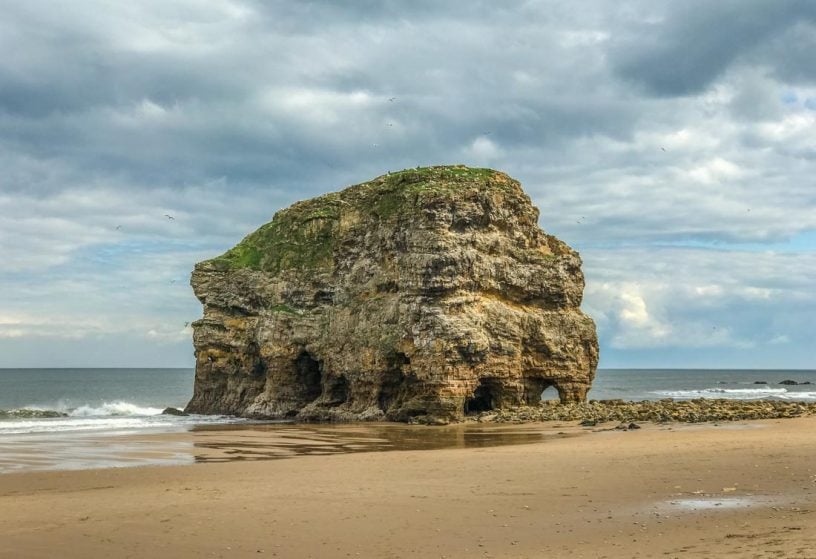
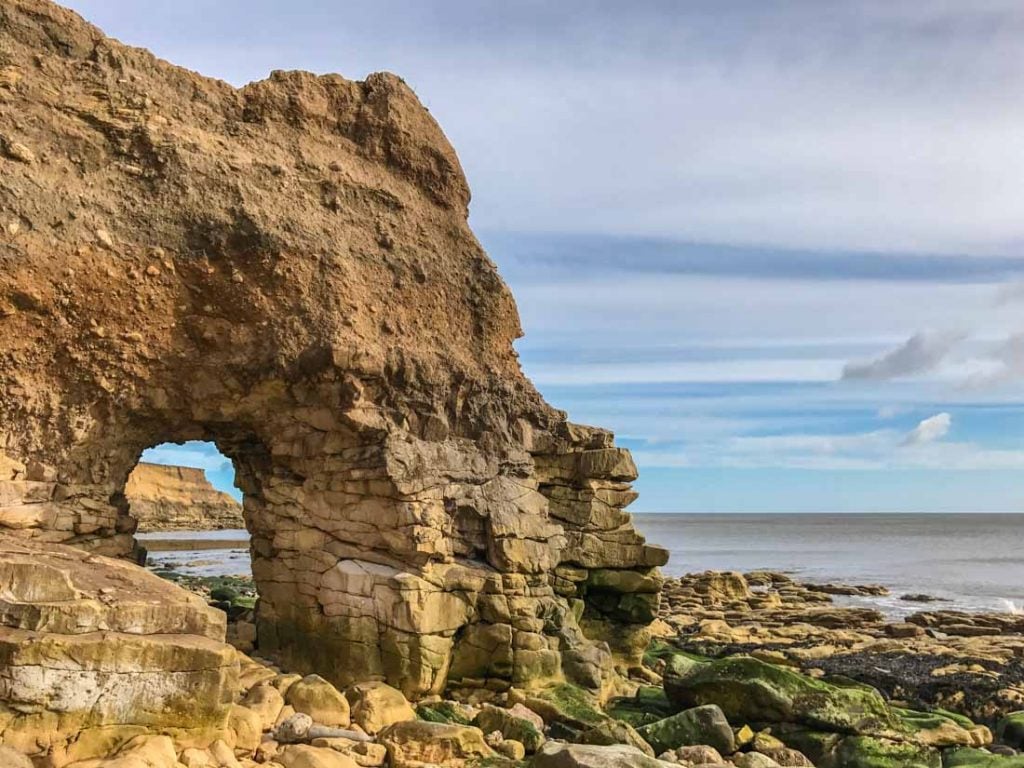
This opening stretch delivers pure coastal drama, taking you along soaring Magnesian Limestone clifftops and past the iconic stack of Marsden Rock.
Keep an eye out for nesting seabirds before dropping down for a well-earned pitstop at the famous Marsden Grotto cave bar, eventually wrapping up the day at the beautiful Roker Pier.
Stage 2: Sunderland to Seaham
Moving south from Roker, the trail winds its way across the River Wear and navigates through a fascinating blend of maritime history and modern coastal paths.
Taking a slight detour through the historic East End of Old Sunderland gives you a real taste of the region’s heritage architecture.
From there, the path smooths out into a scenic coastal track that escorts you straight into the vibrant harbor town of Seaham.
Stage 3: Seaham to Easington Colliery
This section is the dramatic, beating heart of the Durham Heritage Coast.
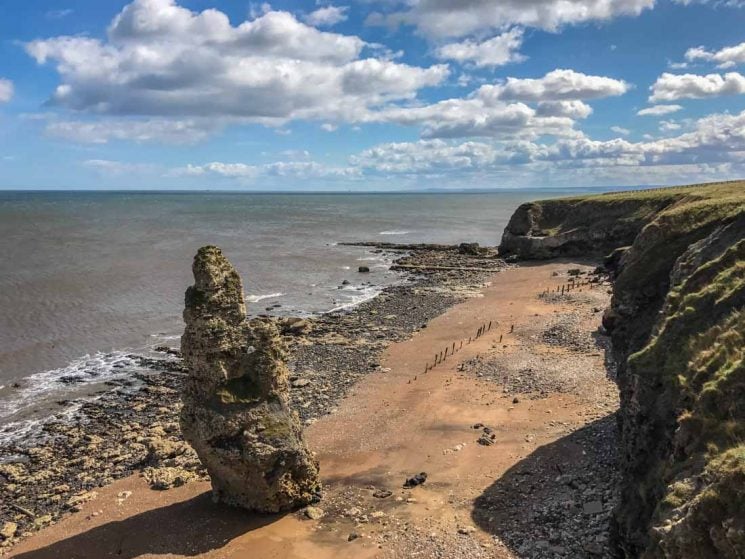
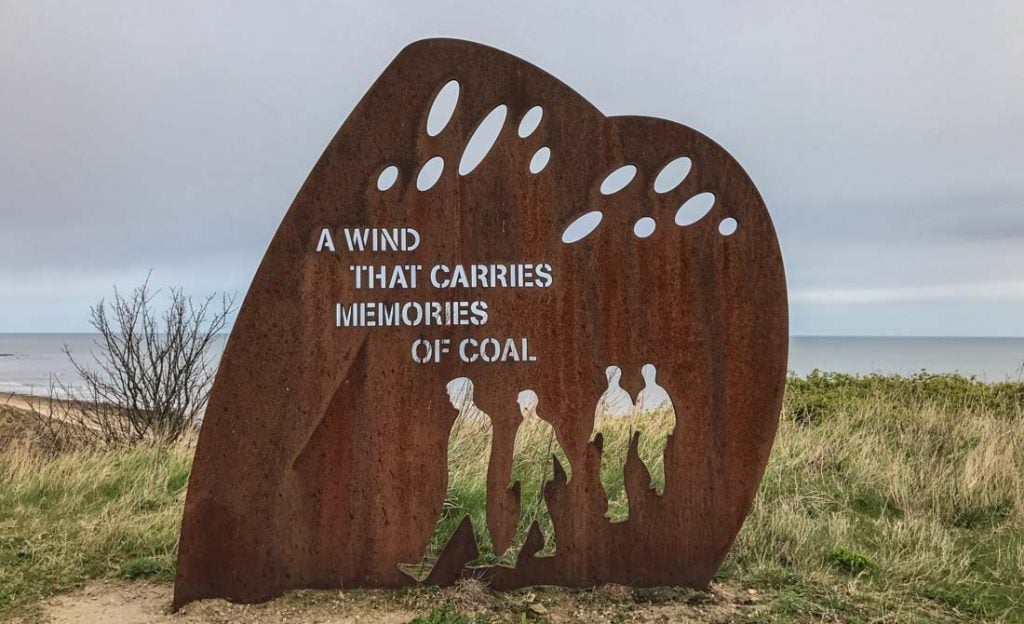
Starting at Noses Point, you’ll look down onto Blast Beach—a spectacular, alien-like landscape of dark cliffs and sea caves that has completely transformed from its industrial coal-mining past into a thriving nature reserve.
It’s a rugged, atmospheric walk that perfectly showcases how powerfully wild nature can reclaim the land.
Stage 4: Easington Colliery to Crimdon
A beautifully open and expansive stretch of walking that takes you past old colliery sites now transformed into lush coastal fells.
As you approach Blackhall Rocks, the path descends onto the wide, golden sands of Crimdon Beach.
This area is an absolute paradise for wildlife observation; if you time it right, you can watch clouds of seasonal shorebirds like sanderlings and dunlins darting along the shoreline.
Stage 5: Hartlepool Headland to the Tees
The grand finale.
After walking the sweeping sands toward Hartlepool, you’ll explore the historic Hartlepool Headland—home to the Heugh Battery, the only World War I battlefield on British soil.
The walk then reaches its final destination by tracing the coast down to the mouth of the River Tees, offering a striking view where the raw power of industry meets the vast expanse of the sea.

Deep Dives & Local Lore
Maritime History & Wartime Heritage
Discover the deep historical footprints left along the cliffs.
From the ancient sea-faring lanes of Old Sunderland’s East End to the historic Heugh Battery—the only World War I battlefield on British soil—this coast tells an incredible story of maritime defense, trade, and survival.
Shorebirds & Wild Coastal Reserves
The reclaimed dunes, fells, and mudflats along this trail are an absolute haven for wildlife observation.
Explore the protected, wild expanses of Crimdon Beach to learn about seasonal shorebird conservation, where clouds of sanderlings and dunlins dart along the tide lines.
Legendary & Quirky Trail Pitstops
Every great coastal hike deserves a memorable trail reward.
Learn the fascinating local stories behind the route’s most unique stops, including the famous Marsden Grotto—a legendary coastal public house built directly inside a subterranean limestone cliff cave face.
Planning Your Trip & Getting Around
One of the absolute best features of the Tyne to Tees coastal route is how brilliantly accessible it is by public transport.
Because the local Durham Coast rail line runs almost perfectly parallel to the walking trail, you don’t need to worry about complex double-car logistics or expensive taxi rides.
You can easily park your car at a train station, walk a single 8-to-10-mile stage of the coast, and hop on a quick, scenic 15-minute train ride right back to your starting point.
It makes the entire 44-mile path incredibly flexible for casual day-trippers and multi-day thru-hikers alike.
Main Rail Hubs: Seaham, Hartlepool, Sunderland, and Newcastle/South Shields connections.
Trail Markings: Follow the official Durham Heritage Coast and England Coast Path waymarkers (look for the distinct acorn signs).
Hiking with Four Legs
If you happen to see a high-energy Border Collie and a German Wirehaired Pointer bounding along the clifftops ahead of you on this trail, be sure to say hello—that will be my constant hiking companions, Malc and Pete, leading the way.
This coastline is an absolute wonderland for dogs, but there are a few key things to keep in mind to ensure a safe, stress-free walk:
Clifftop Safety: The Magnesian Limestone cliffs can change quickly with erosion. Keep dogs on a short lead along the higher, open cliff edges, especially on Stage 1 and Stage 3.
Seasonal Beach Rules: While the vast majority of this coast is wide open to dogs year-round, be aware that resort beaches like Roker and Seaham have partial dog restrictions on certain zones during the peak summer months.
Livestock & Wildlife: Parts of the coastal fells and reclaimed colliery lands are grazed by cattle, and nature reserves like Crimdon are vital nesting grounds for shorebirds. Always respect local signage and use a lead when passing through wildlife zones.