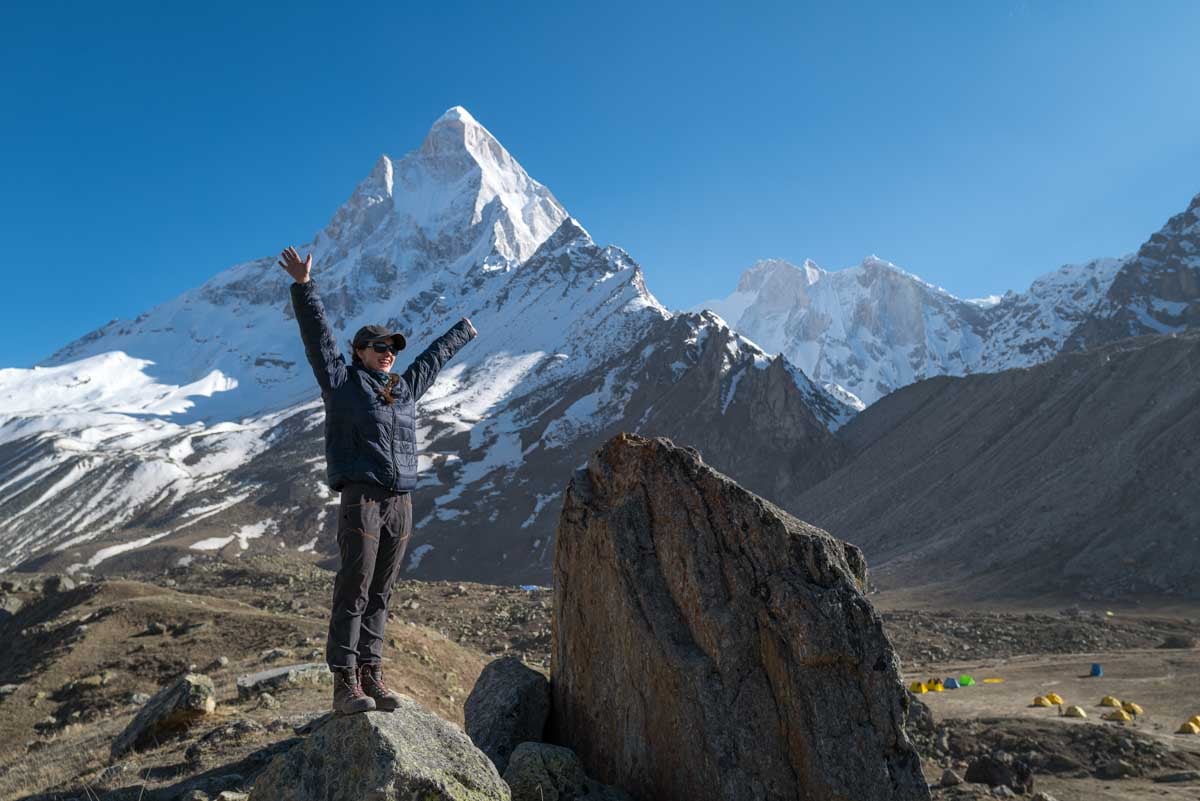
There is a distinct, incomparable magic to stepping through your front door or opening the door of a holiday cottage after a punishing, rain-lashed winter trek across the fells.
Your limbs are entirely spent from hours navigating heavy waterlogged paths, your kit is dripping in the porch, and your body is calling out for a deeply satisfying, substantial recovery meal.
In that exact moment, the absolute last thing you want to do is spend an hour standing over a hot stove prepping a dinner from scratch while your core temperature drops.
You need the ultimate prep-ahead feast: an authentic, slow-baked classic that can sit quietly in the fridge, ready to slide straight into the oven the moment you unpack.

Thin, Microwaved Ready Meal ───► Rubbery Texture, Diluted Flavour & Starched Slump ❌
Traditional Lasagne al Forno ───► Rich Slow-Cooked Ragù, Velvet Béchamel & Deep Warmth ✓
🍝 The Post-Hike Feast Snapshot
|
Feast Metric |
Target Setting |
Why It Rules For Hungry Walkers |
|---|---|---|
|
The Prep Advantage |
100% Advance Assembly |
Can be built the night before, leaving you with zero kitchen friction after a exhausting day on the trails. |
|
Protein Restock |
Slow-Simmered Beef & Pork |
Combines dual proteins to deliver a massive payload of bioavailable amino acids for muscle repair. |
|
Energy Reload |
Layered Pasta Matrix |
Supplies a dense, clean carbohydrate foundation to completely restock depleted glycogen reserves. |
|
Comfort Delivery |
Velvet Béchamel & Cheese |
Rich dairy lipids provide deep, slow-burning metabolic insulation to keep you warm all night. |
⚡ The Balanced Biology of Slow-Cooked Ragù and Complex Carbs
Enduring cold hill weather and navigating continuous elevation changes drains your baseline energy reserves and puts immense eccentric stress on your lower body joints.
To recover effectively without triggering the sudden blood-sugar spikes and crashes associated with quick-fix sugary snacks, your evening meal must focus on high protein synthesis and steady, long-lasting glycemic restoration.
Traditional Lasagne al Forno approaches muscle recovery with flawless nutritional logic:
Deep Tissue Synthesis: Simmering minced beef and pork slowly over several hours breaks down tough proteins into rich, easily digestible gelatins. This delivers a dense, bioavailable matrix of amino acids directly to your recovering leg muscles, halting post-walk muscle breakdown.
Calculated Glycogen Reload: The layered lasagne pasta sheets provide a steady source of complex carbohydrates. Because the pasta is baked inside a rich matrix of dairy fats and proteins, your digestive system processes the starches slowly and methodically, refilling your spent liver and muscle glycogen tanks without disrupting your sleep.
Electrolyte & Fluid Balance: The combination of dry-cured Italian cheeses, rich tomatoes, and slow-simmered alliums (onions and garlic) provides a natural payload of sodium and potassium, helping your system rehydrate completely and eliminating late-night calf muscle cramps.

🧭 The Master Lasagne Sequence
The absolute secret to an elite Lasagne al Forno is allowing your ragù to reduce until it is thick and jammy.
If your meat sauce contains too much unreduced liquid or watery tomato juices, those fluids will escape during baking, turning your carefully layered lasagne into a loose, swimming mess on the plate.
Step 1: Sear the Dual-Meat Foundation (Time: 10 mins)
Heat 1 tablespoon of olive oil in a large, heavy-bottomed pan over a medium-high flame. Add 250g of minced beef and 250g of minced pork.
Cook for 8 to 10 minutes, using your wooden spoon to break the meat apart completely, until it is thoroughly browned and crumbly. Remove the meat from the pan and set aside, keeping the residual fat inside the pan.
Step 2: Build the Soffritto and Infuse (Time: 8 mins)
Drop the heat to medium. Add 1 finely chopped white onion, 1 finely diced carrot, and 1 finely diced celery stick to the hot meat fat. Sauté for 5 to 6 minutes until the vegetables soften and turn sweet.
Stir in 2 crushed garlic cloves and 1 tablespoon of tomato purée, cooking for a further 2 minutes until the paste darkens and turns highly aromatic.
Step 3: The Long Slow Simmer (Time: 1 hour)
Return the browned mince to the pan. Pour in 150ml of dry red wine, using your spoon to scrape up any dark savory bits stuck to the bottom of the metal.
Let the wine bubble rapidly until it has reduced by half. Pour in 1 tin (400g) of high-quality chopped tomatoes and 200ml of rich beef stock.
Toss in a sprig of fresh rosemary and a bay leaf, bring to a boil, then drop the flame to its absolute lowest setting. Cover and simmer gently for 1 hour until the ragù is thick and luxurious.
Step 4: Whisk the Silk Béchamel (Time: 10 mins)
In a separate saucepan, melt 50g of unsalted butter over a medium-low heat. Stir in 50g of plain flour to form a smooth paste (a roux), cooking it for 2 minutes to eliminate any raw flour taste.
Gradually pour in 500ml of whole milk, whisking continuously to prevent lumps from forming.
Bring the sauce to a gentle simmer, whisking constantly for 5 minutes until it thickens into a smooth, velvety white coat.
Season with a heavy pinch of sea salt, black pepper, and a fresh grating of aromatic nutmeg.
Step 5: The Precision Layer Assembly (Time: 10 mins)
Preheat your oven to 190°C (170°C fan / Gas Mark 5).
Spoon a thin layer of the rich ragù over the base of a large rectangular baking dish.
Lay dried lasagne sheets neatly over the top, avoiding overlapping them too heavily. Spread a layer of the velvet béchamel over the pasta, followed by a generous layer of ragù and a handful of grated mozzarella and parmesan cheese.
Repeat this layering sequence methodically, finishing with a final sheet of pasta completely blanketed in the remaining white béchamel.
Step 6: The Golden Blister Bake (Time: 40 mins)
Top the final layer of béchamel with a heavy blanket of mozzarella and parmesan cheese. Slide the dish into the middle rack of your preheated oven and bake for 35 to 40 minutes.
The lasagne is ready when the pasta is tender to a knife blade, the sauce is bubbling furiously around the edges, and the top has transformed into a blistered, golden-brown crust.
The Carver’s Golden Rule: Do not cut into the lasagne the exact second it leaves the oven! Let it rest untouched on the counter for a full 10 to 15 minutes. This cooling phase allows the superheated layers of pasta, meat, and cheese to firm up and bind together, ensuring you can cut clean, beautiful, and solid structural squares that hold their shape perfectly on the plate.

Traditional Lasagne al Forno
This Lasagne al Forno recipe for those who enjoy a classic Italian meal. In the UK we often see this on a pub menu. It is not always the made from fresh version that you will discover here, however.
6
servings30
minutes1
hour40
minutes540
kcalIngredients
250 g Minced Beef
250 g Minced Pork
1 tbsp Olive Oil
1 White Onion (finely chopped)
1 Carrot (finely diced)
1 Celery Stick (finely diced)
2 cloves Garlic (crushed)
1 tbsp Tomato Purée
150 ml Dry Red Wine
1 tin Chopped Tomatoes (400g)
200 ml Rich Beef Stock
1 sprig Fresh Rosemary & 1 Bay Leaf
50 g Unsalted Butter
50 g Plain Flour
500 ml Whole Milk
1 pinch Freshly Grated Nutmeg
12-15 Dried Lasagne Sheets
150 g Mozzarella Cheese (grated)
50 g Parmesan Cheese (grated)
1 pinch Sea Salt and Black Pepper
Directions
- Brown Meat: Heat olive oil in a large pan over medium-high heat. Brown the minced beef and pork for 8-10 minutes until crumbly. Remove meat and set aside.
- Sauté Soffritto: Cook the chopped onion, carrot, and celery in the remaining meat fat for 5-6 minutes. Stir in the crushed garlic and tomato purée for a further 2 minutes.
- Simmer Ragù: Return the mince to the pan, pour in the red wine, and reduce by half. Add the tinned tomatoes, beef stock, rosemary, and bay leaf. Cover and simmer on low for 1 hour until thick.
- Make Béchamel: Melt butter in a separate pan, stir in the flour for 2 minutes, then gradually whisk in the whole milk until smooth. Simmer for 5 minutes until thickened, then season with salt, pepper, and grated nutmeg.
- Assemble Layers: Preheat oven to 190°C (170°C fan). Layer the ragù, lasagne sheets, béchamel, and mixed cheeses methodically in a large baking dish, finishing with a layer of béchamel and a heavy topping of cheese.
- Bake: Bake for 35-40 minutes until golden brown and bubbling. Let the lasagne rest for 10-15 minutes before slicing into firm squares.
Buon appetito!