

The Isle of Mull is my favourite place in the world. In fact, it feels so delightfully remote that part of me hates even telling people where it is, just in case everyone decides to visit at once and this magical Inner Hebridean island gets spoilt.
A chance holiday mix-up meant my family and I first found ourselves stepping off the ferry onto Mull over 17 years ago during one blustery Easter.
We haven’t missed a year since. It has become so deeply woven into the fabric of our family life that whenever anyone asks what my sisters and I would do if we won the lottery, we all say “buy a house on Mull” without a second’s hesitation.
Why does it get under your skin so quickly? Because you could fly halfway around the world and still not find beaches with sand so white and waters so untouched.
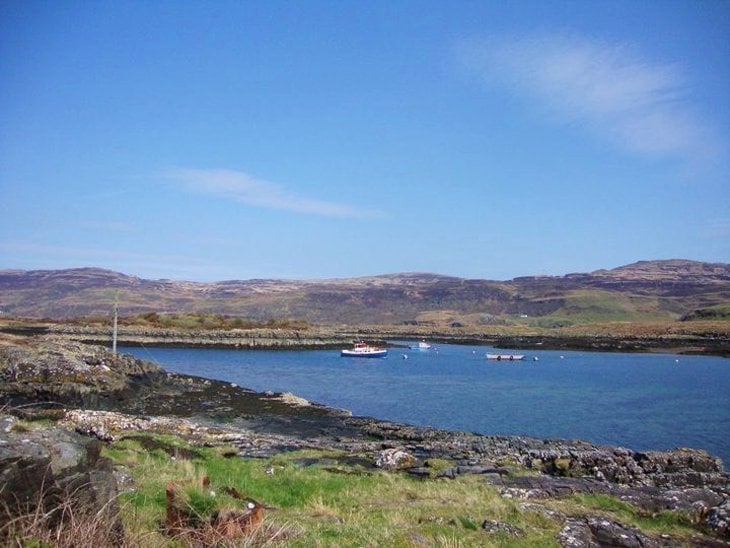
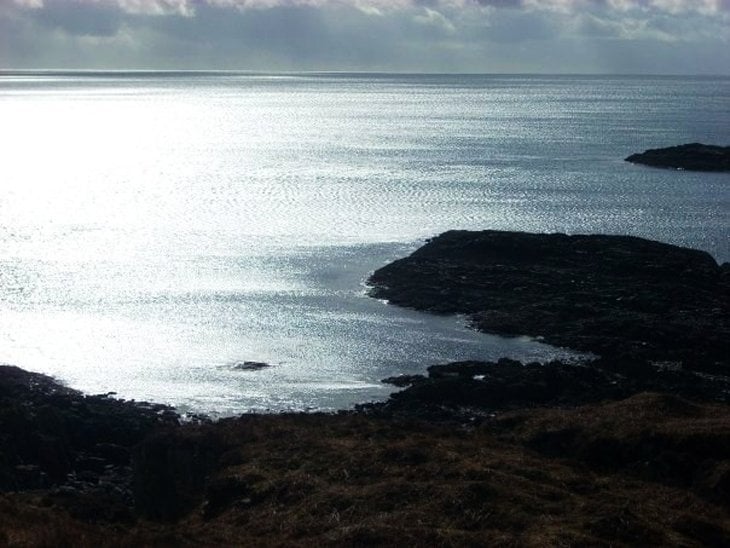
On Mull, spotting a single person on the beach means it’s “crowded,” and a chance afternoon walk down a grassy track regularly ends in an unexplored cove that looks like nobody has stepped foot on it in a decade.
At times, it feels like a paradisiacal version of 28 Days Later—as though there is nobody left in the world but you and the sea.
Of course, there are people here, along with one of the warmest island communities in Scotland.
Whether you are coming over to bag a Munro, spot white-tailed sea eagles, or just unplug from phone signal for a week, here is everything you need to fall in love with the Isle of Mull.
Isle of Mull: At a Glance
|
Location |
Inner Hebrides, Argyll and Bute, West Coast of Scotland |
|---|---|
|
Main Ferry Route |
Oban to Craignure via CalMac (45 mins — book cars well in advance) |
|
Alternative Ferries |
Lochaline to Fishnish (18 mins) & Kilchoan to Tobermory (35 mins, turn-up-and-go for cars) |
|
Main Town |
Tobermory ( |
|
Highest Peak |
Ben More (966m / 3,169 ft — the only island Munro outside Skye) |
|
Must-See Areas |
Ross of Mull, Calgary Bay, Duart Castle, Lochbuie, and neighbouring Iona & Staffa |
|
Iconic Wildlife |
White-tailed sea eagles, golden eagles, otters, puffins (Treshnish Isles), red deer, and Hebridean cattle |
|
Best Time to Visit |
May to September for long daylight hours, wildflowers, and boat trips to Staffa/Lunga |
1. Tobermory and Mull’s Harbour Villages
While Mull’s wild landscapes steal the headlines, its small coastal villages are the beating heart of the island.
Tobermory (PA75 6NR), the island’s capital in the northeast (and famously the real-life setting for children’s TV show Balamory), is an instant mood-lifter with its crescent of brightly painted yellow, blue, and red buildings wrapping around a sheltered harbour.
Beyond taking that obligatory harbourside photo, you can wander through independent bookshops, local art galleries, and craft studios, or pop into the historic Tobermory Distillery (founded in 1798) for a dram of single malt or Hebridean gin.
More than anything, there is a brilliantly warm community spirit here, with regular ceilidhs and live folk sessions spilling out of the pubs.
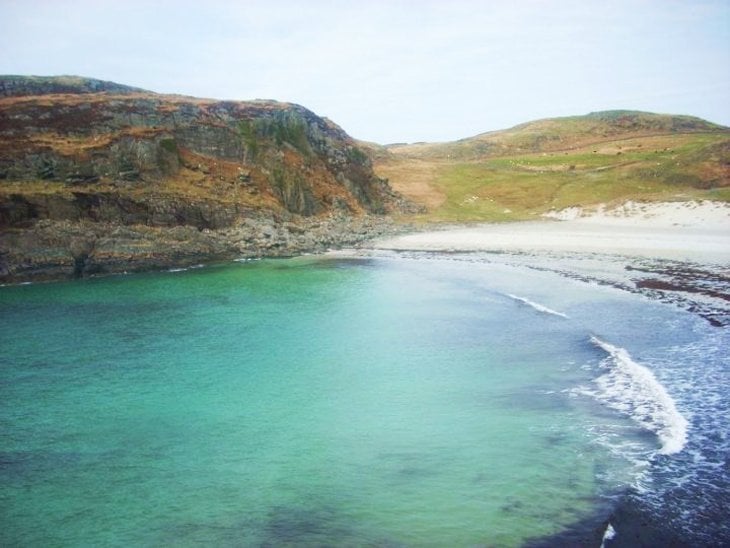
Head west from Tobermory across the winding single-track road and you drop into Dervaig, a sleepy whitewashed village famed for its unique pencil-shaped church tower (Kilmore Church) and proximity to the white sands of Calgary Bay.
Down in the far southwest, the tiny fishing village of Fionnphort (PA66 6BL) sits amid pink granite outcrops as the passenger ferry gateway to the sacred isle of Iona and boat trips out to Fingal’s Cave on Staffa.
2. Wild Landscapes, the Ross of Mull & Climbing Ben More
Come spring, primroses dot Mull’s mossy banks with butter-yellow flowers, and the shaggy Highland and Hebridean cattle stand along the verges sporting fringes worthy of any Emo band.
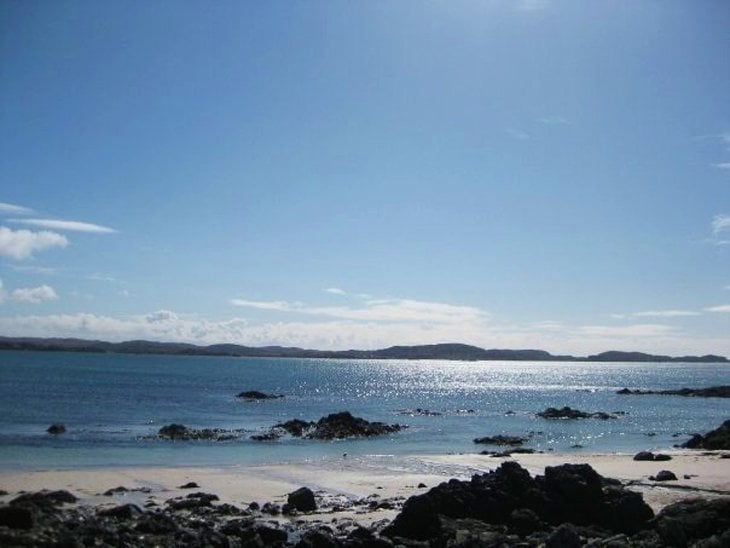
If you want the ultimate blend of beauty and remoteness, point yourself south toward the Ross of Mull. Here, coastal walks follow faint sheep tracks around dramatic basalt headlands—which, if you are being led by someone like my dad, nearly always involve a nail-biting coastal traverse—rewarded by turquoise bays like Uisken, Ardalanish, and Knockvologan, where offshore islands shift colour with every passing cloud.
Three Unmissable Walks & Sights on Mull:
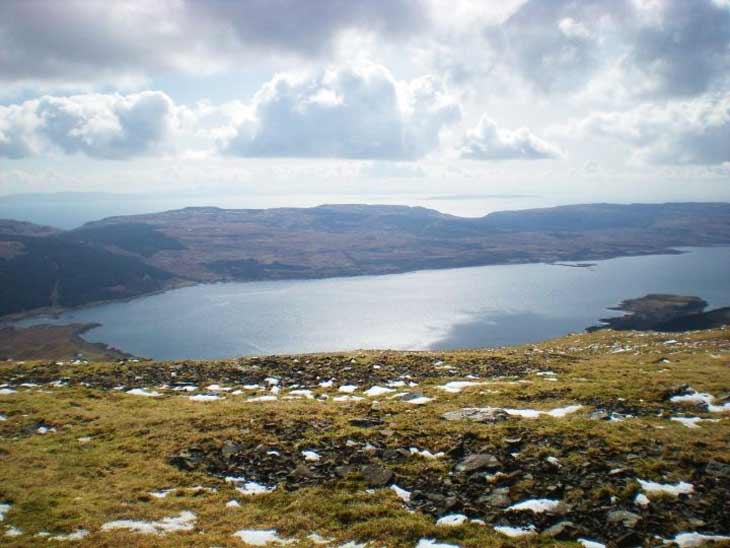
Climbing Ben More (966m): Mull’s sole Munro (typically tackled from Dhiseig on the southern shore of Loch na Keal) is worth every leg-aching step.
When you reach the summit cairn along a dusting of spring snow, you feel like you are standing on the edge of beyond—with ridges and sea lochs petering away underfoot like the fleeting feet of ballet dancers as the Sugar Plum Fairy takes the stage.
The Lost Village of Shiaba: Near Loch Assapol on the Ross of Mull, a tremendous coastal and moorland walk leads you out to the stone ruins of Shiaba (meaning six cows in Gaelic)—all that remains of a thriving farming community wiped out during the Highland Clearances of the 1840s.

Duart Castle (PA64 6AP): Perched on a rocky crag guarding the Sound of Mull right as your ferry approaches from Oban, the 13th-century ancestral seat of Clan Maclean is unmissable for its sea views and dungeon history.
3. Wildlife Encounters: Sea Eagles, Otters, and Puffins
It isn’t an exaggeration to call Mull the wildlife capital of the UK. With over 250 bird species recorded across its glens and sea lochs, you rarely go an hour without reaching for your binoculars.
The undisputed star of the skies is the white-tailed sea eagle (often nicknamed the “flying barn door” thanks to its huge eight-foot wingspan and bright white wedge tail), alongside a thriving population of golden eagles.
Scan the kelp beds along Loch Spelve, Loch Scridain, and Loch na Keal at low tide and you stand a brilliant chance of spotting wild Eurasian otters bringing crabs ashore, while red deer roam the high passes around Glen More.
If you visit between May and late July, jump on a wildlife boat trip from Ulva Ferry or Fionnphort out to Lunga in the Treshnish Isles.
Sitting quietly on the grassy clifftops while hundreds of Atlantic puffins waddle right past your boots—accompanied by guillemots, razorbills, and seals—is an experience that stays with you forever.
4. Switching Off: The Magic of a Mull Evening
For all the big mountain views and sea eagle sightings, my favourite moments on Mull are often the quietest ones.
At the end of a long family day out in the Hebridean wind, we pile back indoors, snuggle up, play cards, and nibble our way through the veritable deluge of homemade cakes my mum prepares for the trip.
In our corner of the island, there is no internet, no phone signal, and no television.
Stepping away from all the modern noise—secure in the familiarity of the island and the people you love—Mull is the one place on earth where I truly exhale and stretch out into the space.
My heart fills with longing just thinking about it. Surely that is what travel is really all about: finding those magical places that you carry around inside you wherever you go.
5. Getting to the Isle of Mull (Ferries & Best Time to Visit)
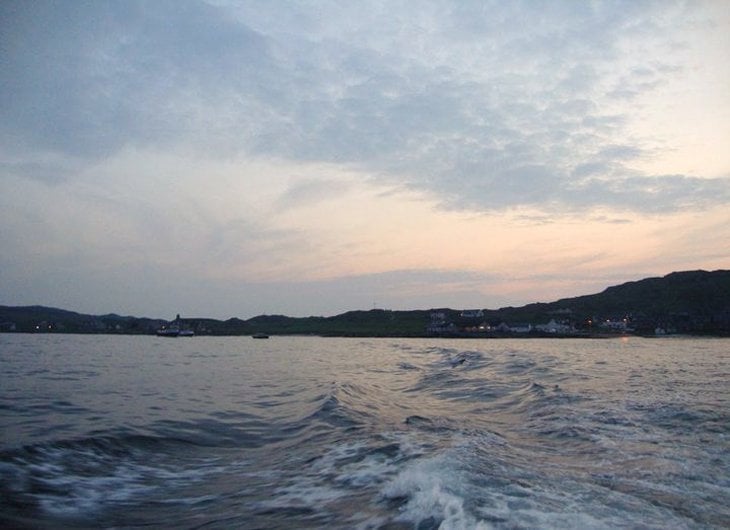
Reaching Mull takes a little bit of forward planning, especially if you are bringing a car, as there are Three CalMac Ferry Routes linking the island to the Scottish mainland:
Oban to Craignure (Main Route): This is the flagship 45-minute crossing operated by Caledonian MacBrayne (CalMac), sailing right past Lismore lighthouse and Duart Castle.
Oban is easily reached by car or scenic train from Glasgow. Crucial Tip: Always book vehicle spaces weeks (or months) in advance for summer travel.
Lochaline to Fishnish: A quiet, 18-minute hop across the Sound of Mull from Morvern. You don’t book specific sailings in advance on this turn-up-and-go shuttle, making it a clever backup if Oban is full.
Kilchoan to Tobermory: A stunning 35-minute crossing from the remote Ardnamurchan Peninsula straight into Tobermory Harbour.
When is the Best Time to Visit?
Late spring through early autumn (May to September) gives you the longest daylight hours, wildflowers across the machair, and calm seas for boat trips to Staffa and the Treshnish Isles.
May and June are my personal sweet spots: the spring gorse and primroses are out in force, puffins are nesting on Lunga, and the midges haven’t reached their July–August peak.

6. Food, Drink & Where to Stay on Mull
All that sea air guarantees a serious appetite, and Mull’s larder is second to none.
Where to Eat on the Island
Seafood on the Pier (Tobermory): Look out for the famous Fisherman’s Pier Fish & Chip Van right on the waterfront for fresh-off-the-boat scallops, langoustines, and haddock, or grab smoked trout and oatcakes from The Tobermory Fish Company.
Isle of Mull Cheese (PA75 6QD): Just outside Tobermory at Sgriob-ruadh Farm, their glass-barn café is a dreamy stop for farmhouse cheddar toasties, coffee, and homemade bakes surrounded by indoor vines and ferns.
The Mishnish (Tobermory) & The Bellachroy (Dervaig): For a proper pint of local ale, hearty Scottish venison or Cullen skink, and a roaring bar atmosphere, both historic inns are island institutions.
The Ninth Wave & Am Birlinn: If you want a memorable sit-down seafood feast featuring Mull oysters, mussels, and hill lamb, book ahead at Am Birlinn near Penmore or The Ninth Wave near Fionnphort.
Where to Stay
Self-Catering Cottages: Booking a remote stone cottage for the week—where you can cook big family dinners and watch the weather roll across the sea lochs—is the quintessential Mull experience.
Hotels & Guesthouses: The Western Isles Hotel and Tobermory Hotel offer classic harbour views in the north; Glenforsa Hotel (on the east coast near Salen, complete with its own grass airstrip) has wonderful views across the Sound of Mull; and Pennygate Lodge in Craignure is an ideal base near the main ferry.
Calgary Bay Camping: If you want to wake up right beside the turquoise water, the designated Calgary Bay Campsite sits right behind the machair dunes of Mull’s most famous white-sand beach.
So go on—book that ferry and visit the Isle of Mull. I urge you. Just don’t tell anyone else about it. Please.
Isle of Mull: Frequently Asked Questions
What is the best way to get around the Isle of Mull?
Driving your own car is the easiest way to explore Mull’s remote beaches and trailheads. Be prepared for single-track roads with passing places—never park in a passing place, always pull in to your left when a car approaches, and pull over to let faster locals or buses overtake you.
Local buses (run by West Coast Motors) also connect Craignure with Tobermory and Fionnphort.
What wildlife can I expect to see on Mull?
Mull is famous for its white-tailed sea eagles, golden eagles, Eurasian otters, red deer, and harbour seals.
Between May and July, boat trips from Mull to the Treshnish Isles (Lunga) let you see thousands of nesting puffins, while offshore whale-watching trips regularly spot minke whales, basking sharks, porpoises, and common dolphins.
Is the Isle of Mull family-friendly and dog-friendly?
Yes! Mull is a paradise for both families and dogs, with shallow white-sand beaches at Calgary Bay and Uisken, wildlife boat trips, Duart Castle, and the colourful streets of Tobermory.
If you are bringing dogs, always keep them on a lead around sheep and Highland cattle—which often graze unfenced right beside the single-track roads and beaches.



Ready for the Hebrides (and waiting for August)
awesome 🙂
Paradise indeed!
Paradise. I may just have to follow in your footsteps.
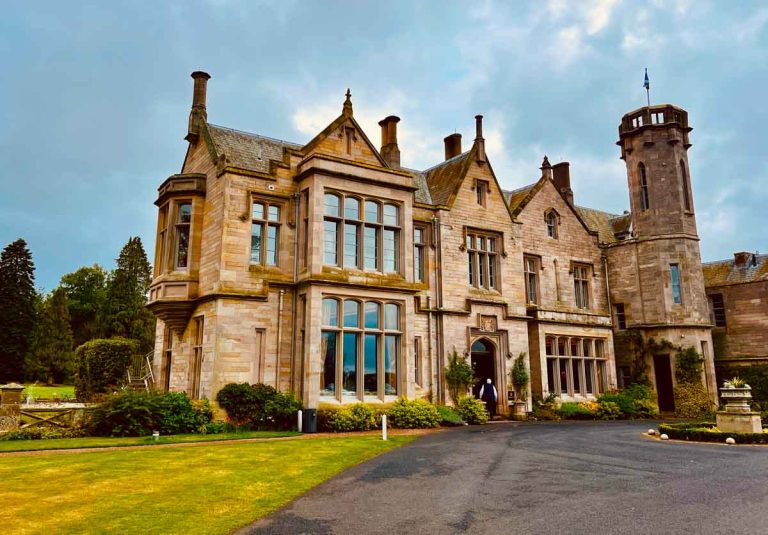
That is a truly stunning last photo. Beautiful.
I totally understand where you’re coming from. I just came back from a two week visit to Istanbul, and there I constantly felt the urge to get out and walk and explore every day. No cars, no buses, no bikes. Just walk for hours and hours, up steep hills and along winding alleys, enjoying and savoring each moment. Coming back to the US has been a jolt!