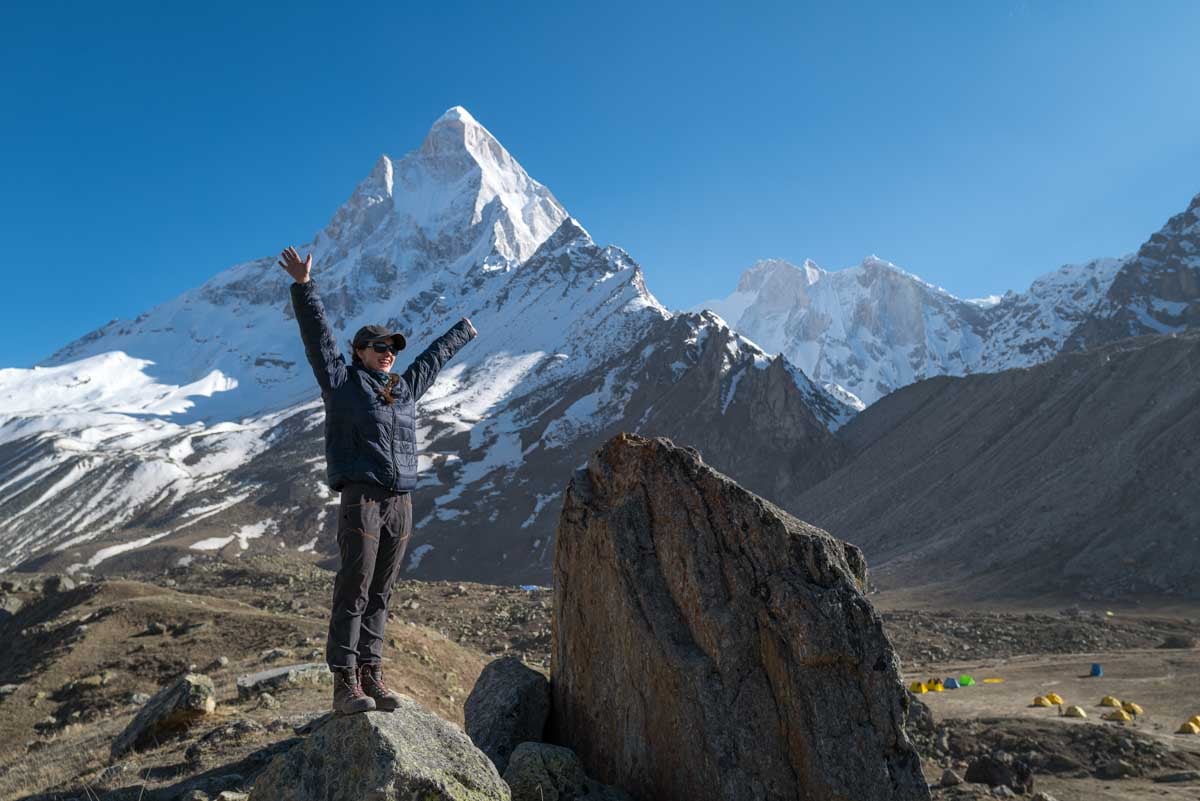
This expansive 7-mile leg of the King Charles III England Coast Path is a masterclass in ecological recovery.
Walking south from the mining monuments of Easington, the route traces soaring magnesian limestone cliffs and peaceful meadows, guiding you down to the stark geology of Blackhall Rocks before terminating at the wide, rolling sand dunes of Crimdon Beach.

🗺️ Part of the Tyne to Tees Master Series
This article is Stage 4 of a 5-part definitive guide to walking the entire Tyne to Tees coast.
- Previous Step: Stage 3: Seaham to Easington Colliery Guide
- View the Full Route: The Tyne to Tees Coastal Path Master Guide
- Next Up: Stage 5: Hartlepool Headland to the Tees Guide
⏱️ Essential Trail Logistics & Planning
Distance:
7 miles (11.2 km) | Linear route.
Time:
3 – 3.5 hours at a steady exploring pace.
Terrain:
Firm clifftop gravel paths, grassy field boundaries, and a long, sandy beach-promenade finish.
Public Transport:
Highly functional. Take the local 23 or 24 bus routes from Crimdon Dene Caravan Park straight back up to Easington or Seaham.
Dog Friendliness:
High variation, but strict seasonal restrictions apply at the Crimdon nesting grounds.
🥾 The Route Breakdown: Step-by-Step Milestones
Easington Nature Reserve to Horden Clifftops
Miles 0 – 2.5
Begin at the historic Customs House at Mill Dam. Keeping the River Tyne firmly on your left, follow the paved riverside path past the ferry landing and out toward the modern Littlehaven Promenade.
Here, you’ll walk directly through “Conversation Piece” (locally known as The Weebles)—a striking collection of 22 egg-shaped bronze figures overlooking the sand.
After pausing for a photo with them, continue past the iconic red-jacketed Herd Groyne Lighthouse. Rounding the corner, the path cuts behind the dunes of Sandhaven Beach, passing Ocean Beach Pleasure Park before the tarmac ends at Trow Rocks’ historic disappearing gun.
Denemouth to Blackhall Rocks
Miles 2.5 – 4
The trail skirts the eastern edge of Castle Eden Dene (Denemouth). Cross the small gill and emerge back onto the dramatic limestone clifftops approaching Blackhall.
Take the winding concrete steps down to Blackhall Rocks Beach to investigate the colossal sea caves and unusual orange-and-black rock strata, keeping a close eye on the tide times.
Blackhall to Crimdon Beach Finish
Miles 4 – 7
Climb back onto the clifftop track from Blackhall Rocks and follow the well-marked field margins south.
The cliffs gradually flatten out as you approach the sweeping sand dunes. Drop down onto the sand to finish your day at the coast.
If you want to explore the area further, check out my complete standalone guide to Crimdon Beach for details on parking, facilities, and the best walking spots across the dunes.
🏛️ Deep Dives & Local Lore: Cinema, Caves & Conservation
Blackhall Rocks and the Grim Grittiness of ‘Get Carter’
When you drop down onto the shore at Blackhall Rocks, you are standing on a landscape that once symbolized the absolute peak of coastal industrial pollution.

Throughout the 20th century, a massive aerial flight conveyor system stretched out over these cliffs, dumping millions of tons of raw black colliery waste directly into the breaking waves.
This grim, industrial landscape was captured perfectly in the bleak final scenes of the 1971 British cult classic movie Get Carter, starring Michael Caine.

Today, the towering iron structures are completely gone, and the beach has been naturally scoured clean by the tides.
What remains is a beautiful, quiet playground of sea caves, arches, and bright orange limestone rocks that look more like a Martian landscape than a former industrial zone.

The Epic Journey of the Crimdon Little Terns & Shorebirds
The sweeping sand dunes at the finish line of this walk are host to a spectacular annual wildlife miracle.
Every year in May, the rare Little Tern—the UK’s smallest seabird—completes an exhausting 3,000-mile migration from West Africa specifically to nest in the shingle banks here.
But the avian action doesn’t stop in the dunes.
The shoreline itself is a bustling haven for migratory wading birds. If you look down toward the surf line, you’ll often see small, hyperactive flocks sprinting back and forth with the retreating waves.
To help you identify what you’re looking at, read my dedicated field guide to spotting sanderlings and dunlins on the beach to learn how to tell these winter visitors apart by their plumage and unique feeding habits.
🍽️ The Hospitality Stop: Where to Refuel
This leg of the coast path is wonderfully wild, so your primary stops are positioned perfectly at the finish line.
The Finish Line Haven: The Dunes Café at Crimdon Beach. Located right at the edge of the dunes, this modern, bustling hub is ideal for a hot breakfast bap, a fresh tray of fish and chips, or a quick artisan coffee while looking out over the sea.
The Village Classic: Local Pubs in Blackhall Colliery. If you fancy a slight inland detour near Mile 5, the short walk into the village of Blackhall offers traditional North East hospitality, friendly locals, and a warm place for a cold pint.

🐾 The Four-Legged Team Dispatch
Malc & Pete’s Trail Notes
Malc and Pete consider the wide clifftop fields between Horden and Blackhall to be some of the best galloping ground on the entire coast path. The trails are broad, open, and offer tons of space.
Crucial Nesting Warnings: While the open spaces are great, Crimdon Beach requires strict control. Because of the precious Little Tern nesting colony, dogs must be kept on a short lead through the designated dune and beach conservation zones between May and August.
The local wardens are incredibly passionate about protecting the birds, so keep your eyes peeled for the warning flags and boundary ropes. It’s a tiny price to pay to help protect an incredible African traveller!
Ready for the Final Milestone?
You’ve walked the transformed cinematic shores of Blackhall Rocks and explored the vital dunes of Crimdon. Now, only one leg remains. Prepare to step onto the historic Hartlepool Headland, navigate the vast bird-rich marshes of the marina, and complete your journey at the mouth of the River Tees.
👉 Advance to Tyne to Tees Stage 5: Hartlepool Headland to the Tees