

During a recent expedition to Barcelona, I had the incredible opportunity to stand before the iconic Basílica de la Sagrada Família.
There are few man-made structures on earth that can genuinely strike you completely silent, but this architectural marvel is one of them.

Designed by the visionary Catalan modernista architect Antoni Gaudí, the basilica is a breathtaking fusion of Gothic grandeur, Art Nouveau fluidity, and organic geometry.
For over 140 years, the world has lived with the reality of an unfinished masterpiece. However, we have just witnessed history in the making. On June 10, 2026—marking the exact centenary of Gaudí’s tragic death—the central Tower of Jesus Christ was officially blessed and inaugurated, bringing the basilica to its maximum final structural height of 172.5 meters.
Whether you are an architecture lover, a photographer chasing the perfect interplay of light, or an outdoor enthusiast who appreciates how nature inspires design, this is an absolute bucket-list experience.

Here is the ultimate boots-on-the-ground guide to navigating the world’s tallest church.
Sagrada Família Essential Logistics:
The Absolute Ticket Rule:
You cannot buy tickets on-site. Tickets are sold exclusively online via the official website or mobile app and sell out weeks in advance. If you turn up at the gates without a pre-booked time slot, you will not get in.
Choosing Your Ticket:
Opt for the ticket that includes Basílica + Towers. This grants you elevator access up into the spires for unparalleled panoramic views over the city grid and the Mediterranean coast.
Dress Code:
As an active place of worship, a strict dress code is enforced. Shoulders must be covered, and shorts or skirts must reach at least mid-thigh.
The Best Time for Light:
Book a late afternoon slot (around 2 hours before sunset). This is when the sun hits the stained-glass windows at a low angle, flooding the interior with a mind-blowing explosion of warm color.
The Centenary Milestone: The World’s Tallest Church
Construction on the Sagrada Família initially broke ground in 1882, with Gaudí taking the reins a year later.
Fully aware that he would never see his grand design completed in his lifetime, he famously remarked, “My client is not in a hurry.”

He left behind meticulous geometric models and structural plans, trusting that future generations would use emerging technologies to finish the work.
The year 2026 has brought the ultimate fulfillment of that vision. With the final installation of the massive, 17-meter-tall steel and glass cross atop the central Tower of Jesus Christ, the exterior of the basilica is finally complete.
It has officially surpassed Ulm Minster in Germany to become the tallest church building on the planet.
While the decorative elements of the south-facing Glory Façade and the grand entrance stairway are projected to continue into the 2030s, walking beneath the fully realized, completed skyline today offers an emotional, historic weight that generations before us could only dream of.
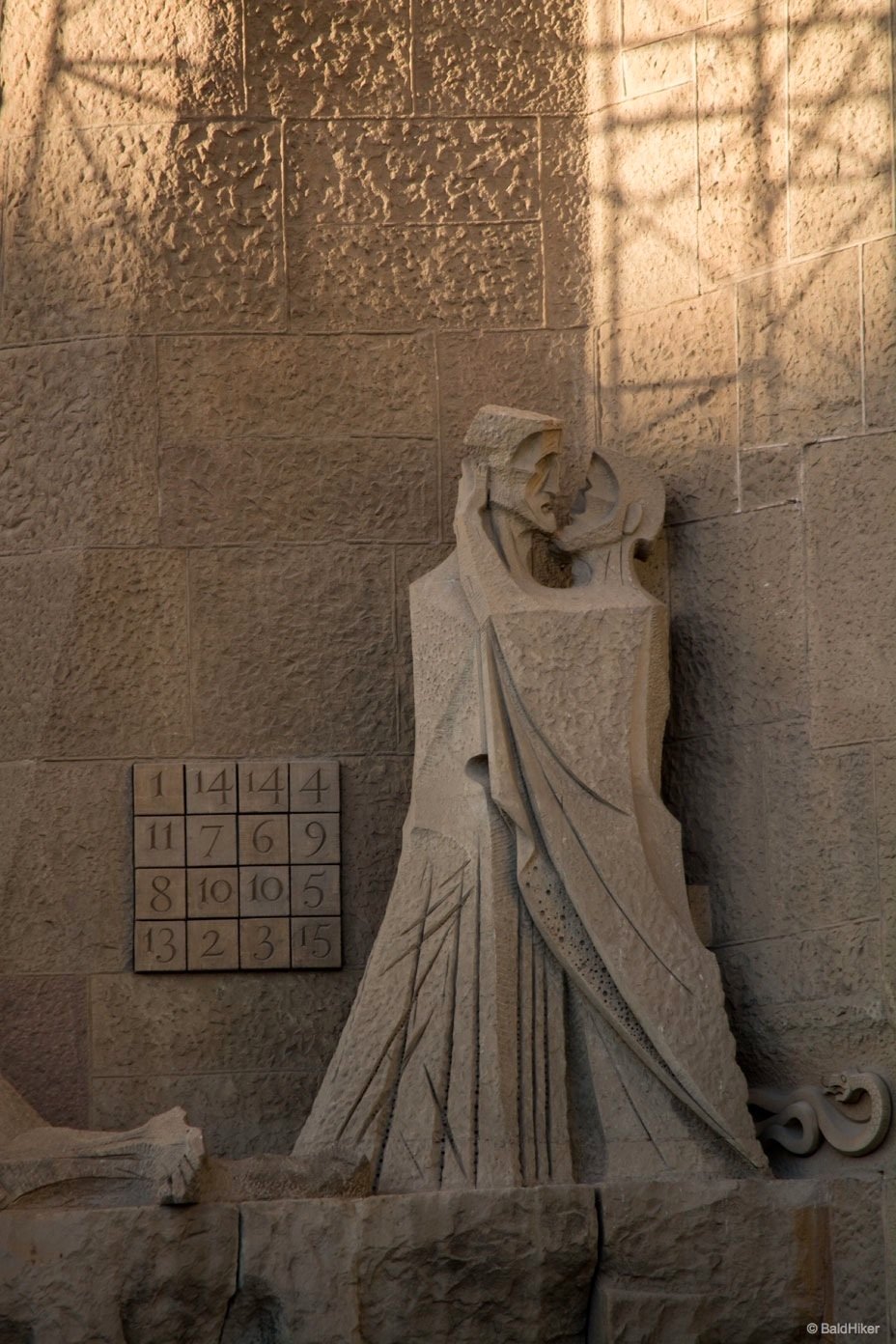
The Hiker’s Perspective: A Forest in Stone
As someone who spends most of my life on rugged mountain trails and under deep forest canopies, stepping inside the central nave of the Sagrada Família felt strangely familiar.
Gaudí was a deeply religious man, but his primary temple was nature itself. He despised flat lines and artificial right angles, stating that “originality is returning to the origin.”
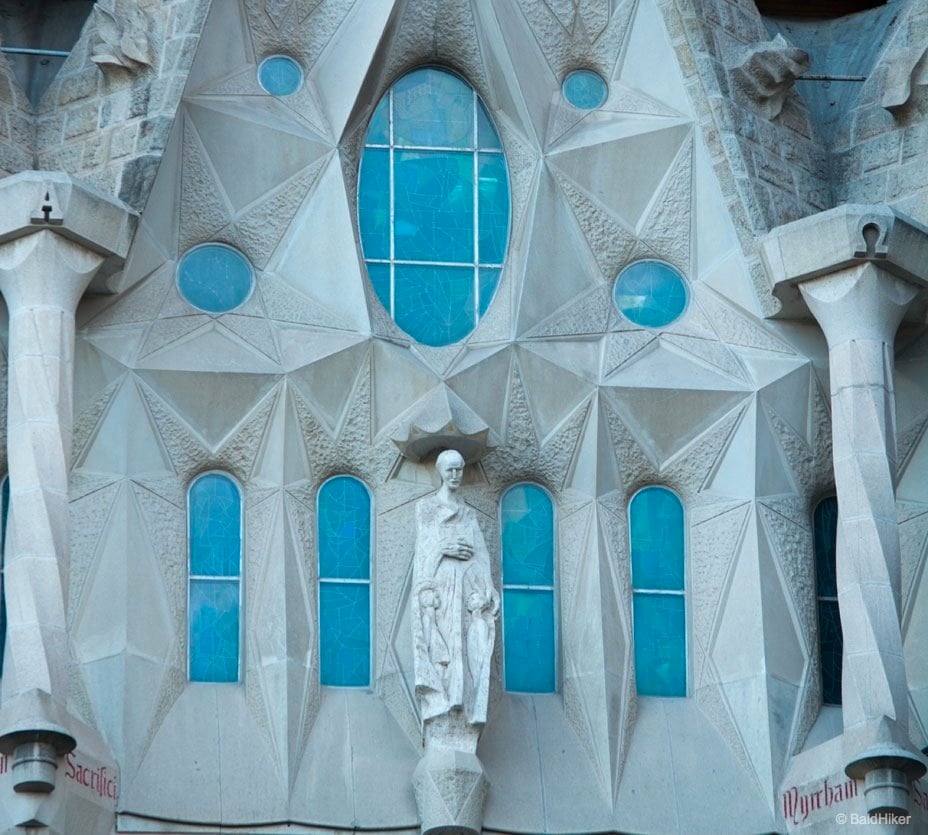
When you stand in the center of the nave and look up, you aren’t looking at traditional stone walls; you are standing inside a petrified, geometric forest.
The soaring structural columns are explicitly designed to mimic giant tree trunks. They rise up from the floor, tilt slightly to distribute weight dynamically, and then split into functional stone “branches” that support the hyper-complex vaulted ceilings above.

It is a stunning feat of natural engineering that pushes the absolute boundaries of structural physics.
Chasing the Symphony of Light
Gaudí’s brilliant use of organic forms is brought to life by a masterclass in natural illumination. The interior was never meant to be dark or somber like a traditional medieval cathedral; it was built to breathe.
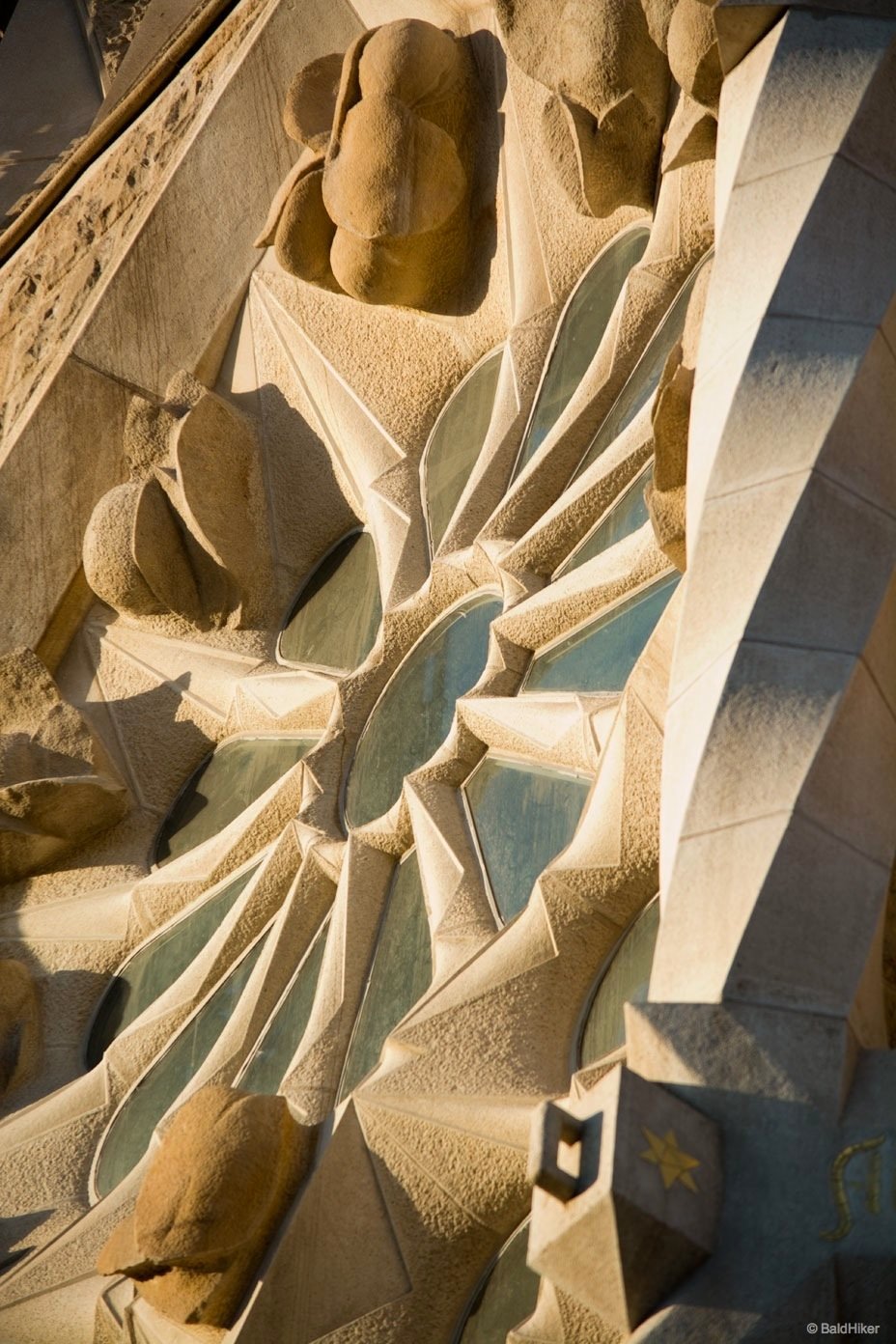
The stained-glass windows are arranged in a strict, symphonic colour scheme that follows the path of the sun:
The East Facade (Nativity): The morning sun floods the interior with cool, ethereal tones of deep blue, vibrant green, and soft yellow, symbolizing birth, creation, and new beginnings.
The West Facade (Passion): As the day progresses, the setting sun pours through windows loaded with intense, fiery shades of dark orange, deep rust, and crimson, reflecting the drama, suffering, and emotional weight of the crucifixion.
Watching the afternoon light slice through the stone branches and cast moving, kaleidoscopic patterns across the white marble floor is an experience photographs simply cannot capture.
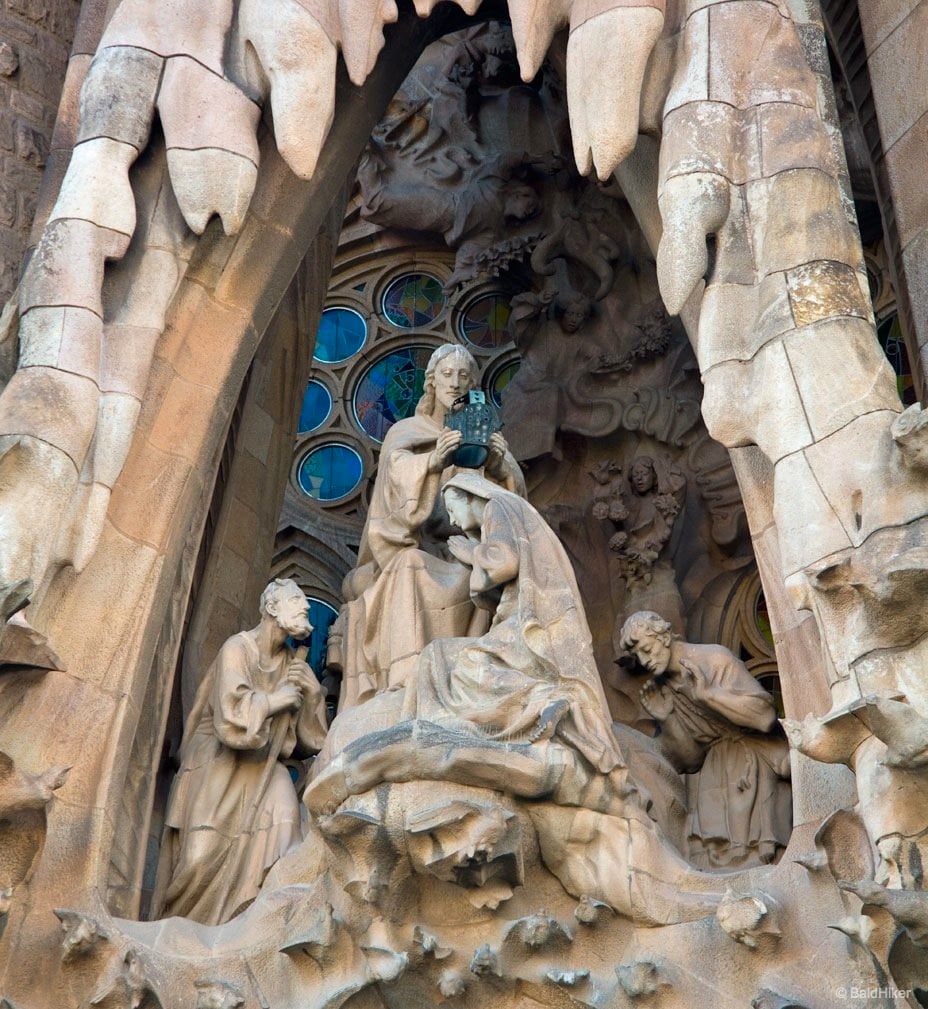
It creates a deeply peaceful, spiritual atmosphere that invites pure introspection.
Exploring Beyond the Basilica
The Sagrada Família sits right in the heart of the Eixample district, making it the perfect anchor for a wider exploration of Barcelona’s modernist heritage.

If you want to maximize your walking shoes, several iconic Gaudí landmarks are within easy strolling distance:
Passeig de Gràcia: A vibrant, tree-lined avenue home to luxury boutiques and two of Gaudí’s residential masterpieces: the undulating stone facade of Casa Milà (La Pedrera) and the whimsical, bone-like architecture of Casa Batlló.
Park Güell: Located a bit further up the hill, this expansive public park showcases Gaudí’s landscape architecture, offering panoramic vistas over the city and vibrant, tile-mosaiced terraces.
If you are planning an extended journey through northern Spain, remember that Barcelona is the ultimate gateway to the wild side of the region.
Once you have absorbed the creative energy of the city, you can head north to trace the coastal trails near Salvador Dalí’s home in Portlligat, or journey deep inland to tackle the raw canyons featured in our comprehensive guide to multi-adventure holidays in Catalonia.
To see the Sagrada Família reach its full, magnificent height in our lifetime is a true privilege.
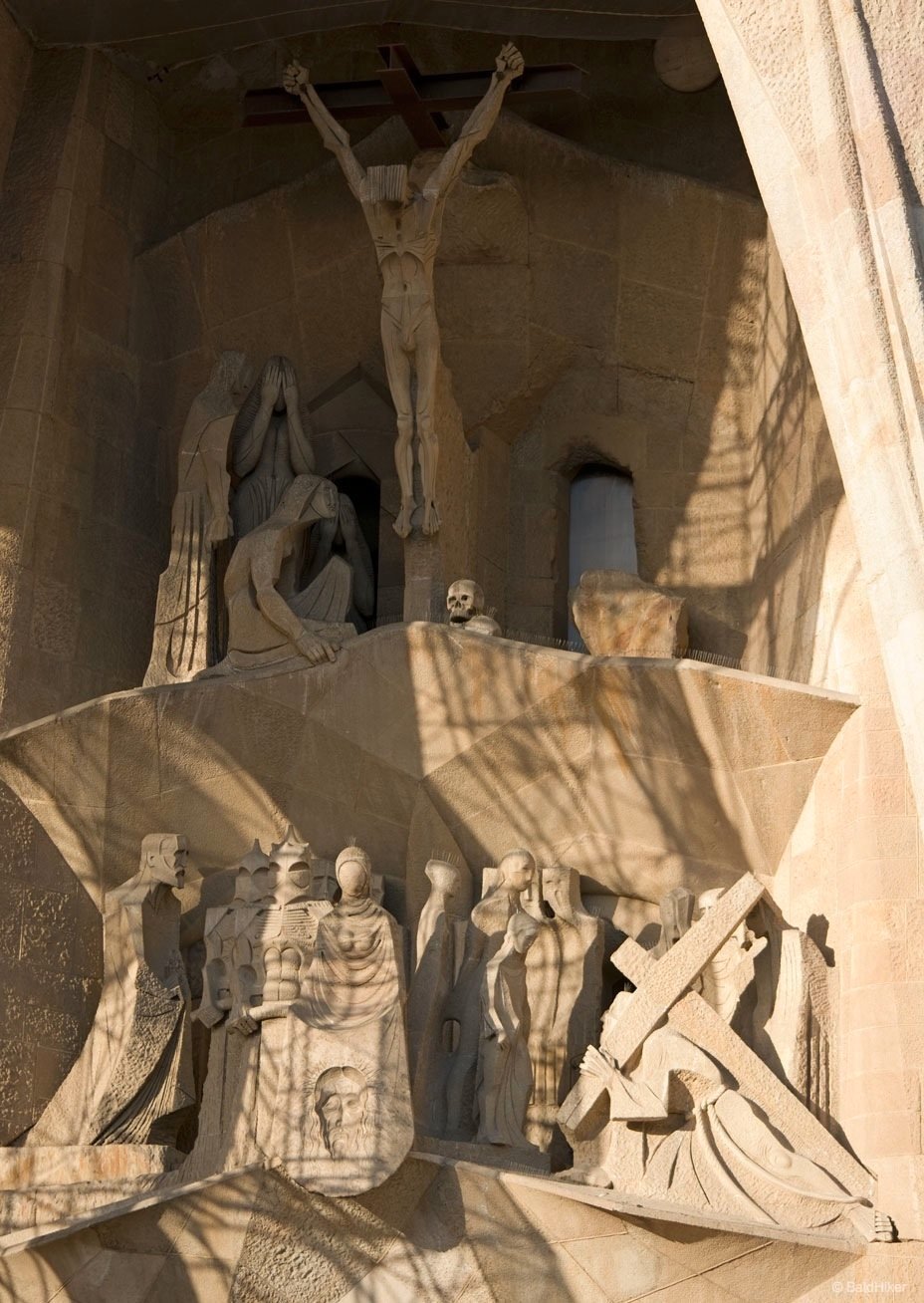
It stands as a monument to what human perseverance, generational craftsmanship, and an unwavering respect for the natural world can achieve. No matter how short your time in Barcelona is, you must step inside this forest of stone.
Explore More of Catalonia & Northern Spain
- Active Adventure: The Ultimate Guide to Multi-Adventure Holidays in the Catalan Pre-Pyrenees
- Coastal Trails: Visiting Portlligat: A Guide to Salvador Dalí’s Bizarre Coastal House
- The Hidden Canyon: Hiking the Sheer Cliffs of the Mont-Rebei Gorge


La Sagrada Familia was probably the best cultural experience my husband and I had in Barcelona. Really great pictures, Paul. You’ve really catched many details with the light and all.
Just back from a quick trip to Barcelona and I’ll still trying to get my thoughts together with regard to Sagrada Familia. It’s stunning but wonder rather than asking ‘When will it be finished?’ – “Should it ever be finished?’
It’s a must see on any trip to the city bit I’d go as early as you can, even when we were there at the beginning of November, you could hardly get near it.
It is a really busy spot, yes agree there.. I think it will never be ‘finished’ too
Fantastic Paul, love Gaudi his work is insurmountable ,,, what a great and creative mind! x
Thanks Dawn 😀
Isn’t Sagrada Familia just wonderful? Was just there in June. Hard not to be blown away in its presence.
Hi, yes it amazing to see in person isn’t it? 🙂
Barcelona is filled with beauty and you’ve captured Sagrada Familia in all its majesty. Thanks for the view.
Thank you Judy
Living in Barcelona for some time now, I discover through the comment of a friend your website and your Barcelona wondering… Just great, needless to say that all your photos are more than good too. They are fantastic ! Wish you had more time to discover a little more of Barcelona and Catalunya !!!
Carry on and have a great 2014
Hi nancy.. I am sure I will be back for longer soon. Hope so
The pictures are just awesome. There are so many details I had never seen before about Sagrada Familia. Thanks for sharing them!
Thanks for the kind comment Pau. Yes so much detail isn’t there.. Has to be seen to be believed
Gaudi sure had some mind-blowing ideas, didn’t he! You do kind of wish they’d complete the Sagrada Familia though. All those cranes and construction nets when we visited were a bit distracting… Great photos BTW…
Great information on this stunning church. Barca is such a magical city! Cant wait to go back sometime in the future.
Thanks for the comment Joanne. I agree with your thoughts on Barca.. get back soon I hope 🙂
Great shots! I miss Barca so much.
Thanks.. Many do miss it I think 🙂
La sagrada familia is not finished yet and it already looks majestic…I’m planning to go to Spain in December and this monument will definitely be on my must see list…Thanks Paul 🙂
You must stop by Anna 🙂 Thanks
I will Paul! I also need to see Santa Maria del Mar mentioned by Suzie. I also plan to go to Andalusia to discover some of its hidden beauties and I’ll share the pictures with you.
Thanks again 🙂
Saw this last week, it’s literally awesome. Fantastic to see. Loved the Santa Maria del Mar too but a big contrast.
Hi Suzie,it is awesome isn’t it? The scale of it with the detail. Yes Barcelona is certainly a city of contrasts for sure 🙂
I saw it for the first time last year and I literally shed tears at its beauty. I spent hours taking in the sculptures and still feel like I didn’t give it enough time! I can’t wait to see it one day finished but already it is a beautiful sight to behold!!
Love your images of it!!
Hi Alison, I agree. It is one of those building you just have to see and get the feelings of 🙂 Thanks so much
Amazing photos Paul. What camera do you use?
Thanks Darren… I use an Olympus camera