

There’s a certain magic to visiting a quintessential English country house for the first time. As I drove up the long approach near Grantham, I caught that first glimpse of the honey-coloured stone of Belton House rising above the Lincolnshire landscape, and I knew I was in for a special day.
It felt like meeting a character from a classic novel, one with some new, rather glamorous stories to tell.
Belton is often called “the most complete example of a typical English country house,” and it’s a title it wears with effortless grace.
For over 300 years, it was the seat of the Brownlow and Cust families, a dynasty of lawyers and politicians who shaped this corner of the world.
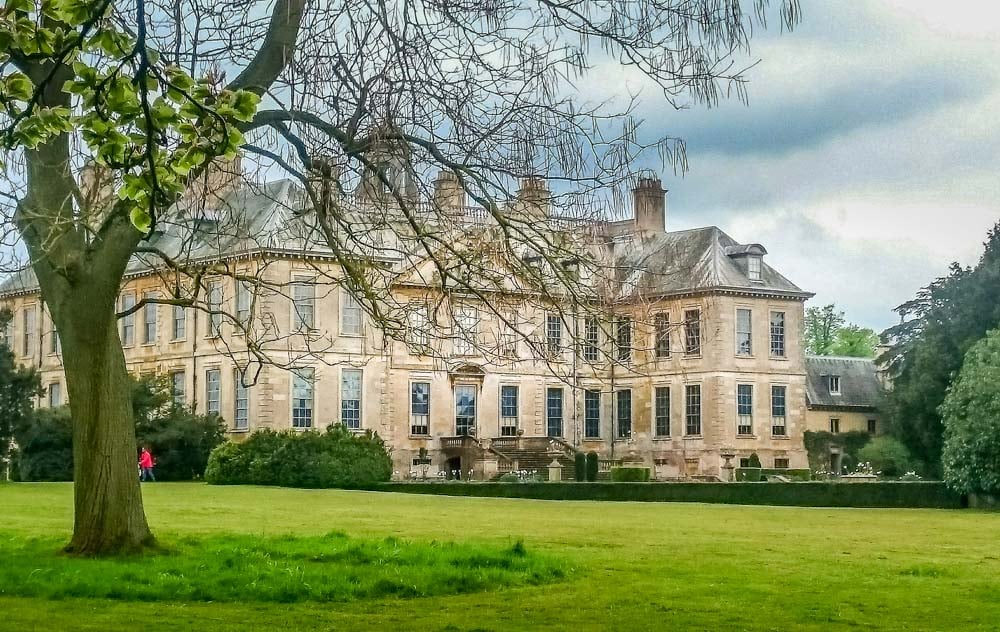
Since 1984, it has been in the care of the National Trust, which has not only preserved its history but has allowed it to evolve into something more.
What I discovered on my visit wasn’t a dusty museum piece, but a vibrant, living estate that masterfully balances its roles as a historical treasure, a blockbuster film set, a haven for wildlife, and a kingdom of fun for families.
It’s a place with layers, and peeling them back is the real adventure.
Stepping into the Story: Inside the ‘Perfect’ English Country House
Walking into Belton House feels less like entering a museum and more like stepping into a conversation that has been going on for centuries.
The house was built between 1685 and 1688 for ‘Young’ Sir John Brownlow, a man with a vast inheritance and ambitions to match.
He and his wife Alice chose a sophisticated Carolean style, creating a home that was a statement of wealth and taste, but with a warmth that grander Baroque palaces often lack.
The Grand Entrance and Public Rooms
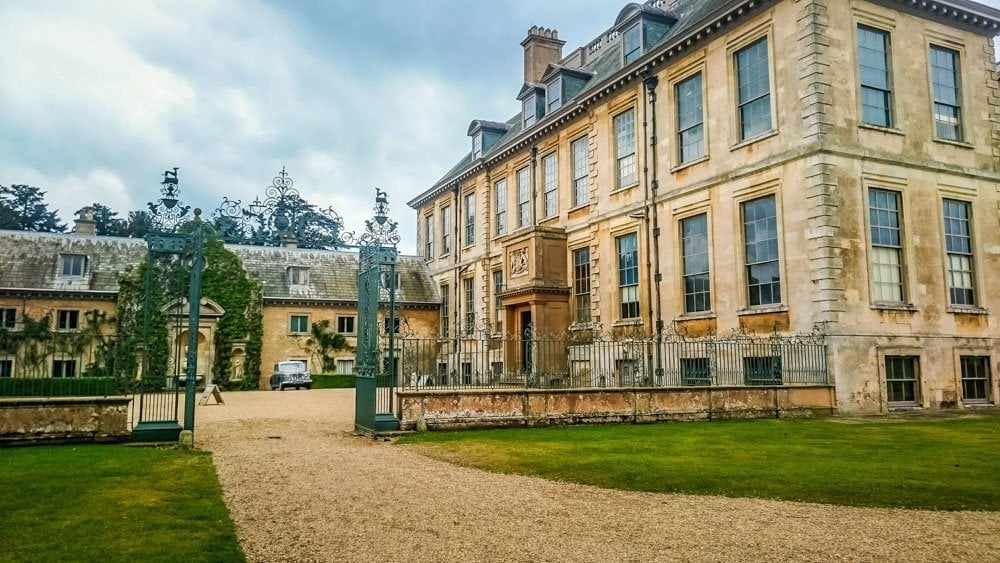
My tour, like that of visitors for centuries, began in the magnificent Marble Hall. Designed as the first in a series of grand processional rooms, its purpose was to impress.
I ran my hand along the cool, dark panelling, admiring the intricate limewood carvings over the fireplace, so detailed and lifelike that some are attributed to the legendary Grinling Gibbons.
A guide explained that in the Victorian era, the hall’s formal function softened, and it became a comfortable family living space, filled with large rugs and plants—a fascinating glimpse into how even the grandest spaces adapt to the rhythms of family life.
From there, I found my way to my favourite room in any great house: the Library. It’s a space I could get lost in for days.
It’s no ordinary collection; Belton houses the National Trust’s second-largest library, with over 11,000 titles. The scent of old paper and leather fills the air.
It’s a physical timeline of the family’s intellectual pursuits, from the rare 17th-century political pamphlets to the fine Italian books collected by the 1st Earl Brownlow on his Grand Tour.
You can almost picture generations of Brownlows sitting in the deep armchairs, gazing out over the formal gardens while lost in a book.

Upstairs: Rooms of Intrigue and Royal Scandal
The story continues upstairs, where the private rooms reveal even more about the family’s life and times. I was immediately drawn to the Chinese Bedroom, a breathtaking room where the walls are covered in exquisite, hand-painted wallpaper from the 18th century.
This fashion for Chinoiserie was the height of sophistication, and this room, typically a private space for the ladies of the house to receive close friends, is one of the finest examples you’ll ever see.
But perhaps the most compelling story is hidden in the Windsor Bedroom. This room is named for its connection to one of the 20th century’s greatest royal dramas: the abdication of King Edward VIII in 1936.
Peregrine Cust, the 6th Baron Brownlow, was a close friend and Lord-in-Waiting to the King. At the height of the crisis, he played a pivotal role, even accompanying the King’s controversial love, Mrs. Wallis Simpson, to France.
It’s said that Mrs. Simpson stayed in this very wing of the house as Lord Brownlow tried to navigate the scandal and protect the monarchy.
Standing there, you can feel the weight of history and the echoes of hushed, urgent conversations that changed the course of the crown.
Throughout the house, the family’s incredible collection is on display. There are priceless ceramics from the Sèvres porcelain manufactory, a dazzling collection of silver, and family portraits that chart the dynasty’s rise.
But the undisputed showstopper is a 17th-century cabinet veneered entirely in the semi-precious stone lapis lazuli, a jewel-like piece of furniture that glows with an almost supernatural blue light.
A Kingdom of Fun: Belton for the Whole Family
If the house is the soul of Belton, then the adventure playground is its beating heart. Watching children tear through this woodland wonderland, it was easy to see why.
This isn’t just any playground; it’s the National Trust’s largest outdoor adventure playground, and it’s legendary for a reason.
Set within a historic arboretum, it’s a massive, sprawling complex of wooden forts, towers, slides, zip wires, and swings woven seamlessly into the trees.

I spent a happy hour watching children of all ages navigate the huge central play tower, with its vertiginous wire climbing tube and long, swooping slides.
There are dedicated areas for under-5s with smaller structures and sandpits, ensuring toddlers can play safely while older kids tackle the bigger challenges. It’s a brilliantly designed space that encourages adventurous, imaginative play.
For those inevitable rainy British days, or just for a change of pace, there’s the Ride Indoor Play Café. Located in the old stable yard, this isn’t a typical soft play area but a clever wooden adventure playground brought indoors.
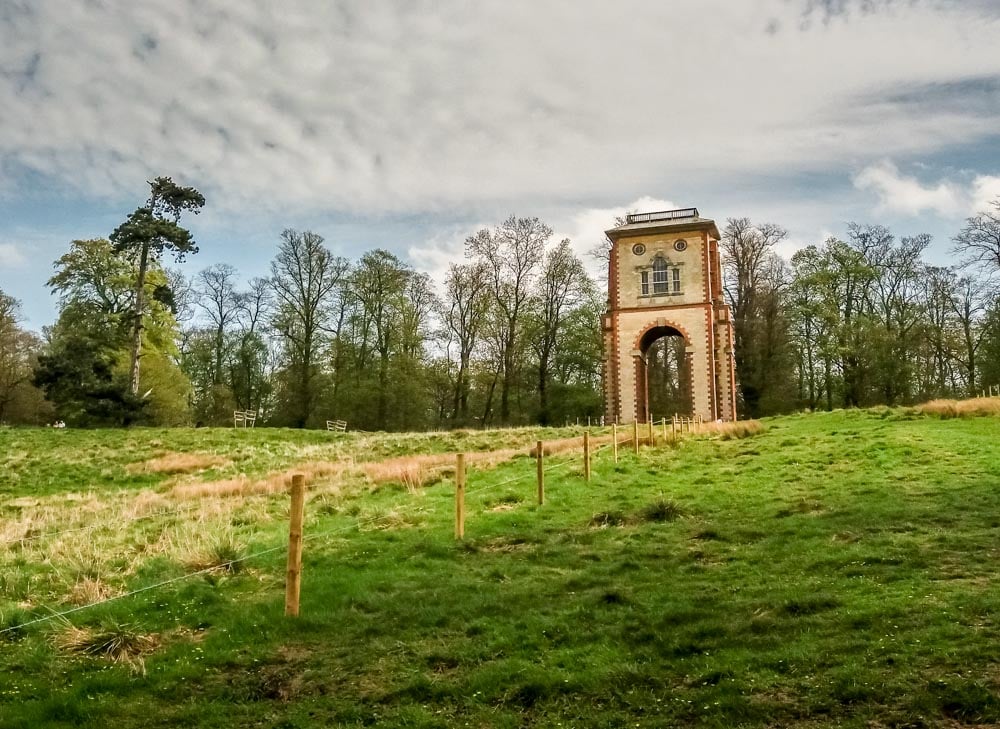
With structures named after the estate’s follies—like Bellmount Tower and the Fishing Lodge—connected by cargo nets, tunnels, and bridges, it’s the perfect place for kids to burn off energy while parents grab a well-deserved coffee.
A word on the beloved Miniature Train. For many families, a ride on this little train as it chuffs through the playground and into the woods is an essential part of the day.
Unfortunately, the train is currently out of service following a derailment, and the National Trust is fundraising for its repair and return. While it’s a temporary loss, it’s a testament to how cherished this feature is, and I have no doubt it will be back, delighting a new generation of children.
The focus on families is evident everywhere, from the plentiful picnic benches scattered across the lawns to the buggy-friendly paths and well-placed baby-changing facilities.
This strategic investment in family fun is what keeps Belton thriving. It ensures that families come back again and again, creating a sustainable future for the entire estate.
A visit that starts with the playground often ends with a newfound appreciation for the history and nature all around, creating the next generation of heritage lovers.

A Walk Through Time and Television: The Gardens and Parkland
Beyond the house and playground, Belton’s 1,300 acres of gardens and parkland offer a completely different kind of escape.
The grounds are a living textbook of English landscape design, evolving from 17th-century formality to 21st-century conservation.
My walk began in the formal gardens just behind the house. In the Dutch Garden, I found colourful, intricate flowerbeds (parterres) divided by neat, topiary-lined paths.

At its centre stands the famous sundial, a beautiful carving of Cronus (Time) and Eros (Love) by Caius Gabriel Cibber. For fans of 1980s television, this is the iconic ‘Moondial’ from the BBC series of the same name.
But for another generation, this view is instantly recognisable for a different reason. It was from this very spot that the camera looked back at the house, presenting it to the world as Rosings Park, the imposing home of the formidable Lady Catherine de Bourgh in the classic 1995 adaptation of Pride and Prejudice.
A short stroll away lies the Italian Garden, a sunken, tranquil space with a grand central fountain, inspired by the 1st Earl’s Grand Tour of Italy in the early 19th century. Overlooking it is the magnificent Conservatory.
Often called the Orangery, this elegant glasshouse was a marvel of its time, built in 1820 around a pioneering cast-iron frame.
Inside, it’s a peaceful, humid world of exotic palms and lush foliage surrounding a serene pool, a perfect spot to sit and reflect.
Venturing further, I followed the winding paths of the Pleasure Grounds down towards the lakes. Here, the landscape feels less controlled and more romantic.
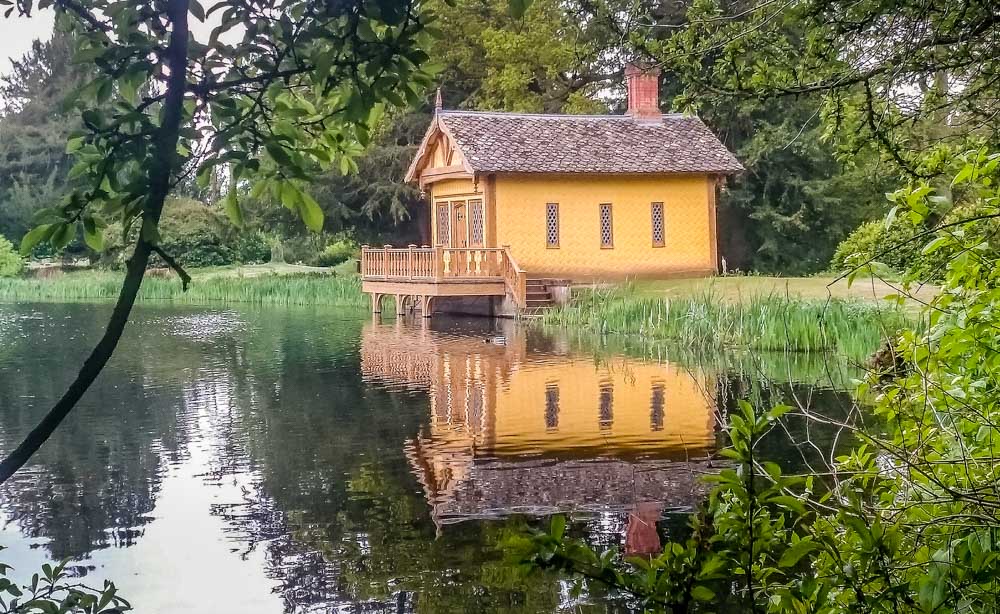
I passed the Mirror Pond, which perfectly reflects the sky and surrounding trees, and stopped at the charming fishing lodge, designed to look like a Swiss chalet, where the Brownlows would enjoy picnics.

This is also where the parkland truly opens up. For over 300 years, Belton Park has been home to a herd of wild fallow deer, and it wasn’t long before I spotted them grazing peacefully under the ancient trees.
It’s a timeless scene, but the estate is also looking to the future. I learned about the Blue Green Corridor Project, an ambitious conservation effort to restore the natural floodplain of the River Witham, which flows through the estate, enhancing biodiversity for wildlife like water voles, otters, and herons.
It’s a powerful reminder that these great estates are now vital guardians of our natural, as well as our built, heritage.

From Royal Secrets to Regency Romance: Belton on Screen
In recent years, Belton has stepped into the global spotlight as a star of the screen. Its perfectly preserved architecture and quintessentially English landscapes have made it a dream for location scouts. While its role in Pride and Prejudice is iconic, its recent appearance in the Netflix sensation Queen Charlotte: A Bridgerton Story has introduced it to a whole new audience.
For fans of the show, a visit to Belton is like stepping onto the set. The production team used the estate extensively, with Belton standing in for key royal residences, including Kew Palace and Buckingham House.
What’s fascinating is how the spaces were transformed. The grand Marble Hall, with its chequerboard floor, was completely converted into King George’s opulent bedroom, while the historic kitchens downstairs became his scientific laboratory.
The beautiful Conservatory served as the backdrop for many of Queen Charlotte’s elegant and scheming tea parties. The crew even planted an entire vegetable garden from scratch to create the King’s beloved farm at Kew.

This newfound fame is more than just a novelty; it’s a vital part of the estate’s ecosystem. The location fees generated from productions like Queen Charlotte are channelled directly back into conservation and visitor improvements.
In fact, the fees from the show are helping to fund a new car park and accessible facilities. It’s a perfect circle: popular culture showcases the beauty of our heritage, which in turn draws more visitors, and the income generated helps preserve these special places for everyone, for ever.
Belton on Screen: A Location Guide
| Film/TV Show | Fictional Location | Key Belton Setting(s) Used |
| Queen Charlotte: A Bridgerton Story (2023) | Kew Palace / Buckingham House | Marble Hall (King’s Bedroom), Kitchens (King’s Lab), Conservatory, Italian Garden |
| Pride and Prejudice (1995) | Rosings Park | Exterior Façade, Dutch Garden & Sundial |
| Moondial (1988) | The ‘Moondial’ | The Sundial in the Dutch Garden |
| The Da Vinci Code (2006) | (Various interiors) | Mentioned as a filming location |
Planning Your Perfect Belton Visit: A Practical Guide
A trip to Belton is an easy and rewarding day out. Here’s everything you need to know to plan your visit.
Getting There
- By Car: Belton is located just off the A607 near Grantham, Lincolnshire. The postcode for your Sat Nav is NG32 2LS. There is a large car park on-site, and parking is included in the admission price.
- Car-Free Travel: Grantham has a mainline train station. From there, Bus 1 (Interconnect) runs regularly towards the estate. If you arrive by bus, train, or bike, show your ticket or helmet to receive a voucher for a free hot drink as part of the “Good Journey” initiative.
Tickets and Opening Times
- Tickets: You no longer need to pre-book your visit (unless you are a large group). You can pay at the admission points on arrival.
- Prices: A standard adult ticket is around £20, with prices for children and families available. Entry is free for National Trust members.
- Opening Times: The grounds, playground, and cafés generally open from 9:30 am, with the house opening a little later at 11:00 am. However, times vary seasonally, and the estate can close at short notice in high winds, so always check the official National Trust Belton Estate website before you travel.
Food, Drink, and Shopping
- You won’t go hungry at Belton. The main Stables Café offers hot and cold meals, while the Ride Play Café is perfect for families. There is also a kiosk in the adventure playground and a seasonal ice cream parlour.
- The main gift shop sells a lovely range of homeware, local produce, and plants. Don’t miss the second-hand bookshop, one of the largest in the National Trust, where all proceeds go directly to supporting Belton’s conservation work.
Accessibility
- The estate has many accessible paths, but be aware that as a historic property, there are areas with uneven cobbles and gravel.
- Mobility scooters and wheelchairs are available to hire in advance, and sensory bags are also available.
A Day Out with Your Dog
Belton is exceptionally dog-friendly. Here’s the policy:
- Dogs are welcome on short leads throughout the parkland, gardens, and in the courtyard areas, including the Stables Café, gift shop, and bookshop.
- Only assistance dogs are permitted inside the mansion, the Conservatory, and all play areas (both indoor and outdoor).
- There are plenty of water bowls and waste bins, and you can even treat your four-legged friend to a doggy ice cream!.
When to Visit
Belton is a joy in any season. Spring brings carpets of bluebells and daffodils, while autumn sets the parkland ablaze with colour. However, the estate truly comes alive for Christmas at Belton.
This spectacular after-dark event sees the gardens transformed by an illuminated light trail with over a million twinkling lights and festive music. This is a separately ticketed event that sells out fast, so booking well in advance is essential.

A Final Reflection: More Than a Memory
My visit to Belton House was so much more than just a tour of a stately home. It was a discovery of a place that feels both timeless and vibrantly alive.
I came expecting a grand house and beautiful gardens, and I found them in abundance. But I also found so much more: a filming location for one of the world’s biggest TV shows, a vital conservation project, and a history full of royal drama.
Belton manages to be everything at once: a place for quiet reflection in the Conservatory, for boisterous laughter in the playground, for historical immersion in the Library, and for spotting deer in the ancient parkland.
It’s a reminder that our great houses aren’t just relics of the past; they are living, breathing spaces that continue to tell new stories. My advice is simple: go and discover which of Belton’s many stories will be the one that captures you.




Love the look of this place, great photos too.
Hi, thank you so much, very kind words.
I hadn’t considered selling licences to reproduce my photography, but could be arranged if you’re interested.
Thanks again, regards
Janine
You take amazing photos! Do you sell licenses or allow your work to be reproduced at all?