

One of the great joys of living in the Eden Valley is watching the seasons paint the landscape.
I’m not just talking about the dramatic fells, but the small details.
For me, the verges and meadows bursting into life are a constant source of wonder.
On my daily dog walks, I’ve spent years watching the progression, from the first Dandelions to the rich tapestry of a Cumbrian summer.

The roadsides alone are a nature reserve, home to over 600 species of wildflowers and grasses.
You get to know them like old friends: the deep purple of Tufted Vetch, the cheerful Meadow Buttercup, the delicate pink of Red Campion and the Dog Rose, and the vivid blue of Field Forget-me-nots.


But for me, the real treasure, the one that stopped me in my tracks, wasn’t on a walk at all. It was in my own back garden.
The Wild Orchid Discovery
A few years ago, I decided to let a patch of my garden in the Eden Valley run wild. I simply left it alone to see what nature would do. The result was staggering.

One June, I noticed a flash of pinks, purples, and whites standing tall—up to 60cm—amongst the long grasses. They were, unmistakably, wild orchids.
After a lot of time spent on my hands and knees with a camera and a guidebook, I identified them as Common Spotted Orchids (Dactylorhiza Fuschii).

They are the most common wild orchid in the UK, but having them appear in my own garden felt like a minor miracle.
It also sent me down a rabbit hole of botanical identification. I had to learn how to tell them apart from the very similar Heath Spotted Orchid.
The secret, I learned, is in the flower’s bottom lip. The Common Spotted Orchid has a bottom lip with three distinct lobes, and the middle lobe is typically as long, or longer, than the side ones.

The Heath Spotted Orchid’s middle lobe is usually smaller.
But the most beautiful detail is the pattern. The Common Spotted Orchid has defined, unbroken loops of colour on its petals, which act like landing-strip lights for pollinating insects.
It’s a perfect, tiny masterpiece of evolution, thriving in a patch of wild Cumbrian grass.

Where You Can Find the Eden Valley’s Wildflowers
While I’d love to invite everyone to my garden, I can’t. But the good news is you don’t need to.

The Eden Valley has one of the absolute best places in Cumbria to see not just these orchids, but hundreds of other species:
Smardale Gill Nature Reserve. This beautiful reserve, managed by the Cumbria Wildlife Trust, is a true haven for wildflowers.
Because it’s set along a 3.5-mile stretch of disused railway line, the walk is flat, accessible, and easy for everyone.

The reason it’s so special is the habitat. The embankments and cuttings from the old railway have created the perfect poor, limestone-rich soils where wildflowers thrive over grasses.
The reserve is home to over 400 different species of plants.
A Guide to Flower Spotting at Smardale and Eden Valley Verges
If you visit in late spring and summer, you will be truly rewarded. The reserve is famous for its orchids. Along the path, you can find:
- Common Spotted Orchids: Just like the ones in my garden.
- Marsh Orchids: Often found in the wetter areas.
- Fragrant Orchids: As the name suggests, they are beautifully scented.
- Butterfly Orchids: Delicate and pale, they are a wonderful sight.
- Fly Orchids: A much rarer and more fascinating find, as they have evolved to look like the insect they’re named after.

But it’s not just about the orchids. Keep your eyes peeled for other special blooms like the vibrant pink Bloody Cranesbill, the yellow Rockrose, and the strange, beautiful Herb-Paris in the ancient woodland areas.
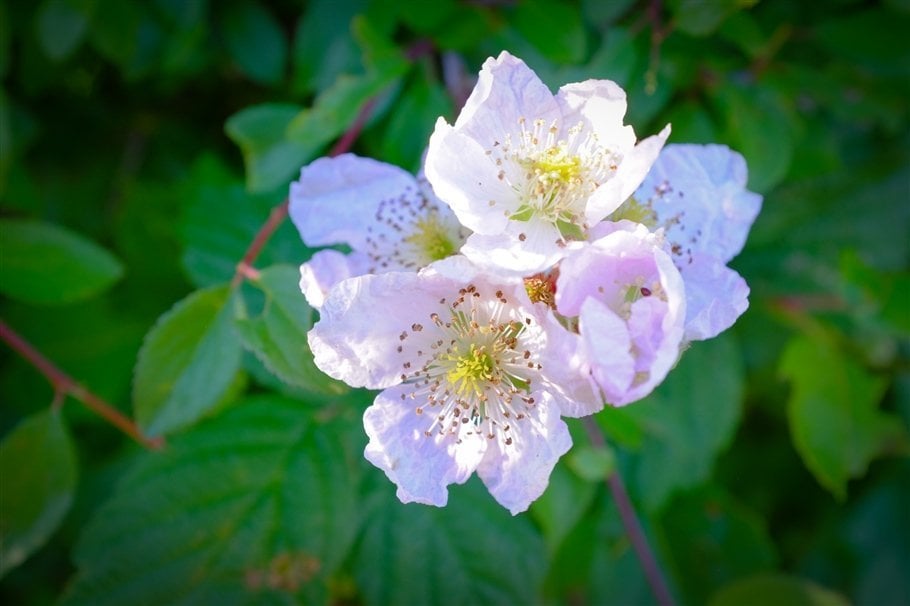
In spring, the embankments are also covered in primroses and bluebells.
Practical Visit to Smardale Gill
- How to Get There: The reserve has a car park. The nearest postcode is CA17 4HG, which gets you to the village of Smardale. From there, follow the signs.
- The Walk: The main walk along the old railway line is flat and very accessible, suitable for prams and wheelchairs. You can walk as far as you like. A 3-mile (4.8km) return trip will take you to the magnificent Smardale Gill Viaduct, which is a destination in itself.
- When to Go: For the main wildflower and orchid displays, the best time is from late spring through summer.
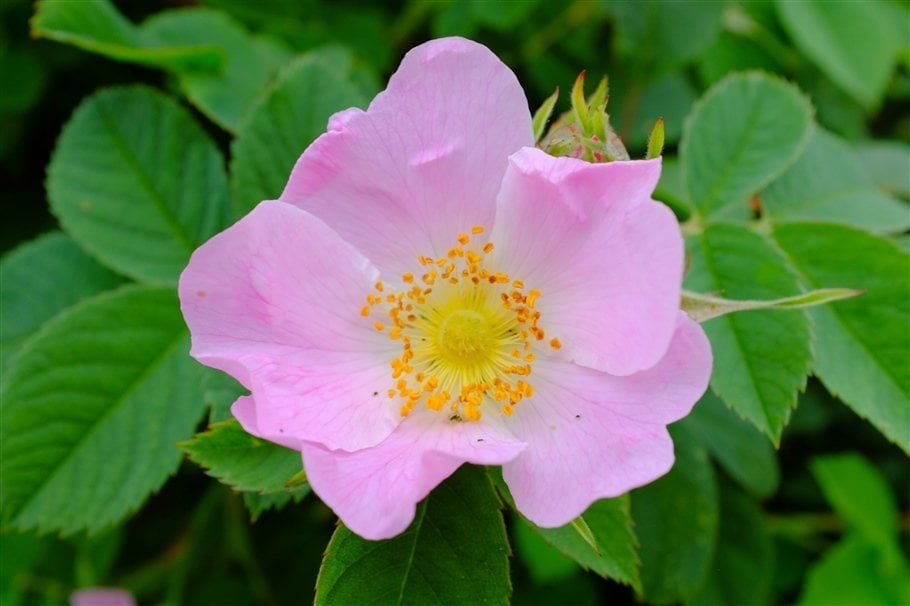
From a wild patch in a garden to a celebrated nature reserve, the Eden Valley is a paradise for those who take a moment to look at the beauty at their feet. Happy wandering.
Paul did an article that showcased one of the special sunrises and sunsets we get in the Eden Valley.
The valley is a haven too for wildlife from the endagered Red Squirrel to even more garden visitors, from the birds variety to a little vole.


